Between Home, Languages and Identities
Testimony

Between Homes, Languages and Identities

Krystyna Modrzewska grew up in an assimilated Jewish family in pre-war Poland and later reflected deeply on her Jewish background, gender and sense of difference. Her studies in Bologna became an important period of self-discovery before the outbreak of war forced her back to Poland.

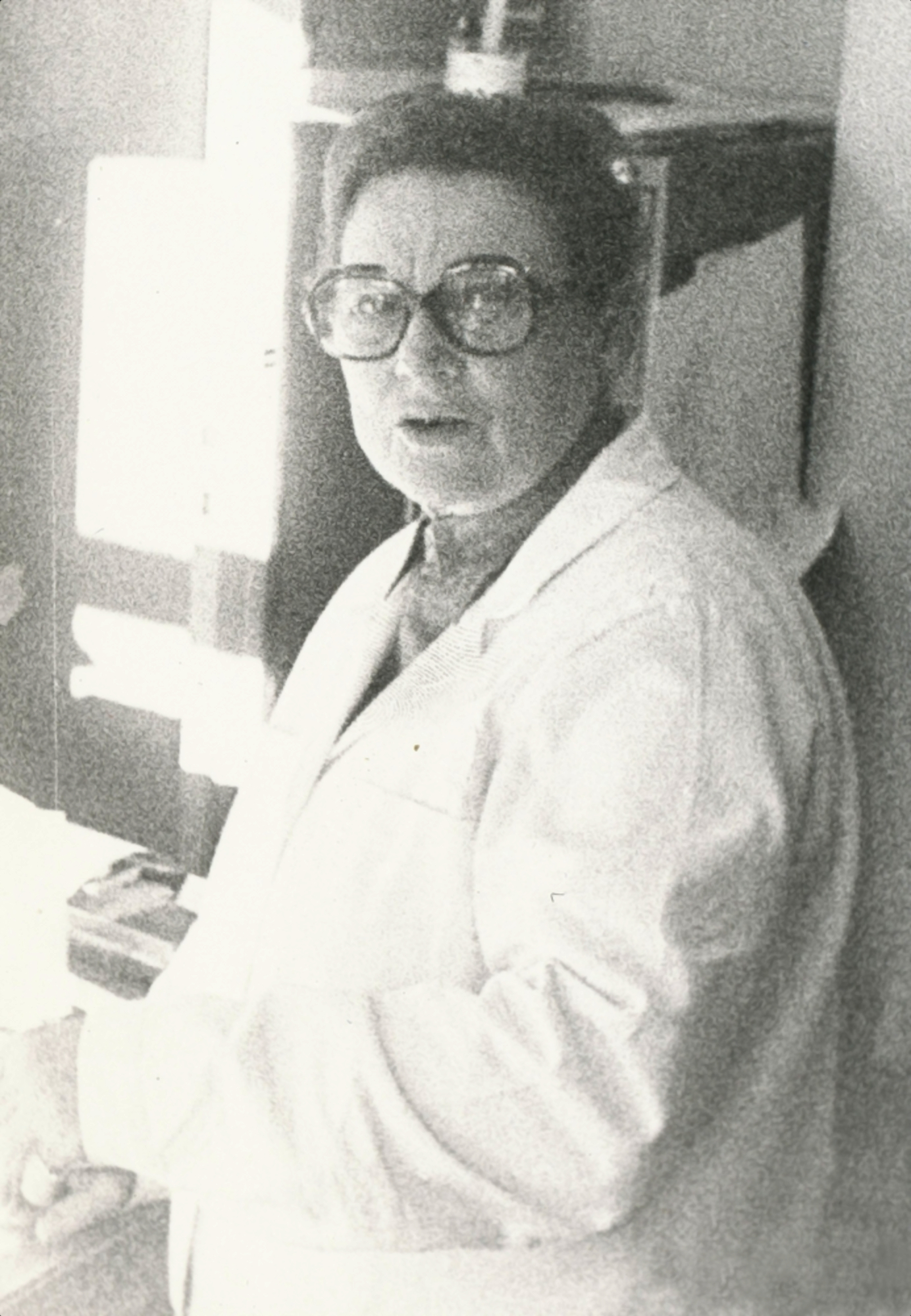
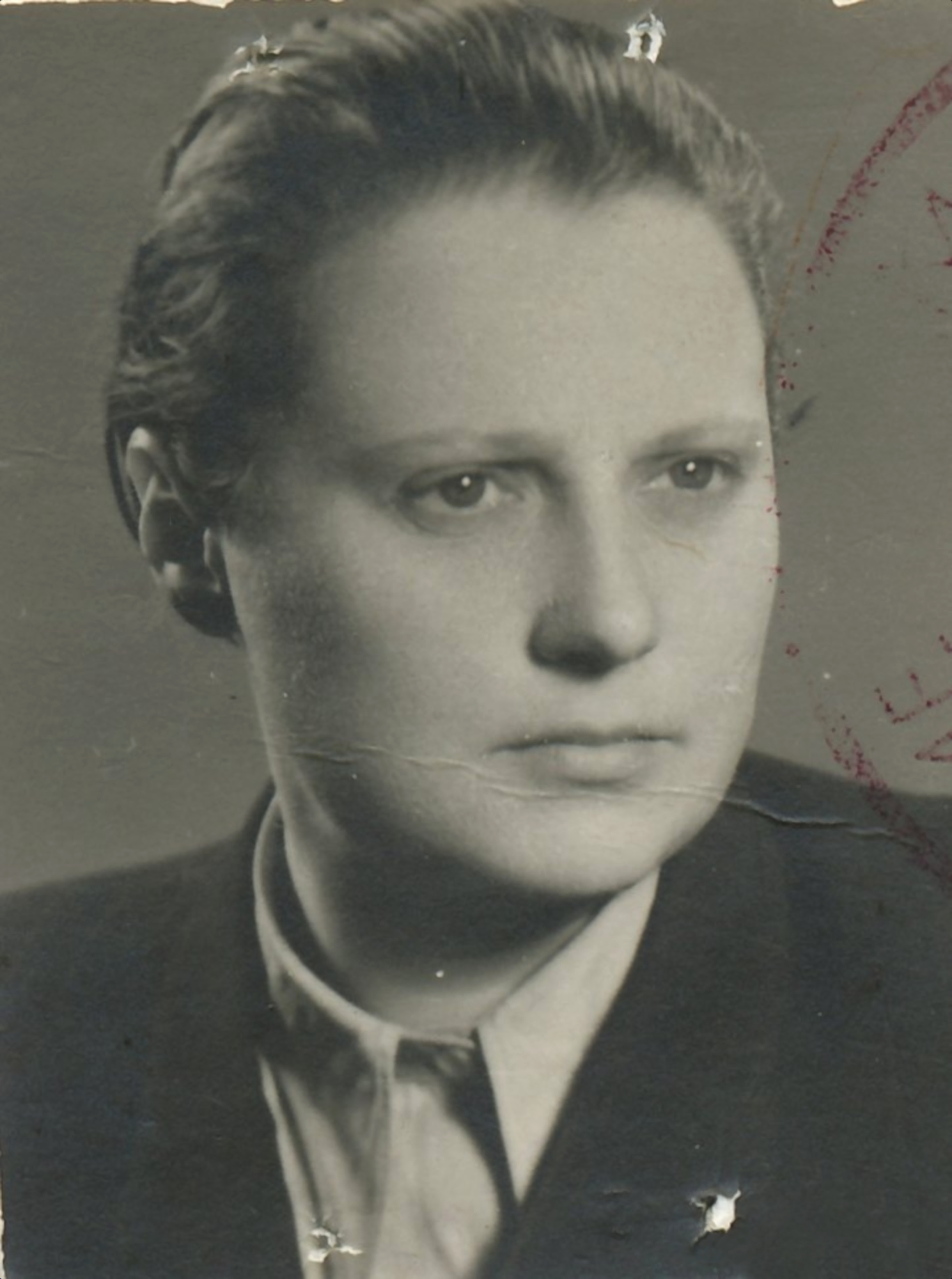
Krystyna Modrzewska was born on 14 September 1919 in Warsaw as Krystyna Mandelbaum. Her father, Hersz Jakub Mandelbaum, was a doctor and a Bund activist and, before the war, the last head physician of the Jewish hospital in Lublin. Her mother, Franciszka, was a pianist and music teacher. In 1929, the family moved from Warsaw to Lublin, where they lived at 9 Bernardyńska Street.

Krystyna grew up in an assimilated Jewish family closely connected to Polish culture and language. Jewish identity in her home was not associated with religious practice. Years later, she recalled:

Her sense of difference, however, was not limited to her Jewish background. In the autobiographical books she wrote towards the end of her life, Modrzewska returned to her childhood and adolescence, describing her experience of her body and gender. In Trzy razy Lublin (Three Times Lublin), she wrote about growing up without identifying with the femininity assigned to her:

Modrzewska also recalled dressing in her father’s suit as a teenager. She did not present this simply as a youthful rejection of fashion. In later life, she connected these memories with what she described as her “transsexual nature”. In her own writing, her experience of gender became one of the central elements through which she understood herself.

In Trzy razy Lublin, she described her years as a student in Bologna as a period of discovering the world and other people, but above all of discovering herself:

In 1937, she began studying natural sciences at the University of Bologna. Her move to Italy was her first experience of living outside Poland for an extended period. While in Bologna, she was baptised into the Catholic Church. As she later recorded in her diary, this was not a pragmatic decision. Modrzewska regarded her baptism as a serious decision concerning her faith and identity.

Her time in Bologna also played an important role in her personal development. She later described it as a period in which she first began to understand her own sense of difference. At the time, however, she had neither the language with which to name it nor a social environment in which she could safely live it.

The outbreak of war interrupted her studies. She returned from Italy to Poland and found herself in a reality in which her origins, her name and her ability to move freely would become matters of survival.

Resisting in everyday life - The war and life under an assumed name

During the occupation, Modrzewska survived under an assumed Polish identity while working, moving between places of refuge and participating in the underground resistance. She also tried to help others escape persecution, while navigating the complex intersections of her Jewish identity, gender and personal relationships.

After returning to Lublin, Modrzewska and her mother found themselves in immediate danger. During the occupation, she used the Polish surname Modrzewska. The name, which initially helped to conceal her Jewish identity, became part of her identity for many years.

Her experience of the war was, from the beginning, an experience of living between different identities. As Krystyna Mandelbaum, she belonged to the Jewish population persecuted by the Germans. As Krystyna Modrzewska, she lived on “Aryan papers” and had to convincingly present herself as Polish. At the same time, she was already struggling with a sense of gender identity that she could not easily place within the categories available to her. Later interpretations of her biography have therefore examined the intersection of her Polish, Jewish and queer identities.

Her wartime experience was one of constant tension: moving from place to place, hiding, obtaining documents and working. In 1941, she was sworn into the Home Army (Armia Krajowa), using the codename “Kret” (“Mole”). She also worked in the occupation administration, which gave her access to information and documents.

From 1943 onwards, she worked as an official in the county administration in Garwolin. She used her position for underground activities, including preparing documents for people at risk of arrest. At the same time, she tried to help others. During the liquidation of the Warsaw Ghetto, she managed to get out and attempted to rescue relatives and friends.

In her 1999 oral history interview, she recalled:

Her wartime relationships with women also had a personal dimension. In her account of the friend she helped escape from the ghetto, Modrzewska used deeply emotional language. She described her as “the most beautiful ideal” and later wrote about the pain associated with their relationship after the deaths of those close to her.

Contemporary categories should not, however, be imposed automatically on these wartime relationships. The sources do allow us to observe that women and relationships with women occupied a particularly important place in Modrzewska’s account of her own life.

A diary that was not allowed to speak in full

Written in 1947, Modrzewska’s wartime diary offers an early account of hiding, survival and everyday life under occupation. Its later censorship, documented by Jacek Leociak, also reveals how personal testimonies of the Holocaust could themselves become subject to political and institutional control.

Modrzewska’s diary is one of the earliest records of her wartime experience. It was written in 1947, only a few years after the events it describes. It was therefore not a recollection written decades later, but an attempt to record her experience soon after the end of the war. Modrzewska submitted the diary to the Central Jewish Historical Commission.

The diary has a particular history. Fragments were not published until 1959 and 1960, in three consecutive issues of the Bulletin of the Jewish Historical Institute. The text was censored, however. The interventions went far beyond the removal of individual sentences. Entire sections concerning the convent, Modrzewska’s relationship with the nuns and her critical assessment of their behaviour were removed. Passages concerning antisemitism and the experiences of Jews during the occupation were also subject to censorship.

The diary presents hiding not as a single dramatic event, but as months of everyday activities: working, waiting, finding money, looking for another place to stay and adapting to circumstances over which Modrzewska had very limited control.

The diary does not portray her as a passive person hiding from the Holocaust. It shows a woman who worked, made decisions, negotiated her circumstances, observed the people around her and tried to retain her independence even when her possibilities were severely restricted.

Source: Jacek Leociak, “Cenzor na straży Kościoła. Ocenzurowany pamiętnik Krystyny Modrzewskiej”, Zagłada Żydów. Studia i Materiały, no. 5, 2009, pp. 371–393.

Building life after the war: Scientist, doctor, writer

After surviving the war and losing much of her family, Modrzewska rebuilt her life through science, medicine and writing. Her academic career and the use of the male pseudonym Adam Struś also became important ways of negotiating her professional and gender identities.

In September 1944, Modrzewska returned to Lublin. The war was coming to an end, but her life could not return to its pre-war shape. Most of her family had been murdered, and the world in which she had grown up had ceased to exist.

She soon rebuilt her life around science.

In 1947–1948, she worked at the Department of Anthropology at Maria Curie-Skłodowska University. In 1948, she received a doctorate in natural sciences. She subsequently worked in Poznań and, from 1950, in Białystok, where she simultaneously studied medicine. After completing her medical degree, she returned to Lublin. From 1964, she headed the Department of Anthropology at UMCS.

She combined her academic research with writing. During the 1960s, she published fiction under the pseudonym Adam Struś.

The pseudonym was not simply a literary disguise. Modrzewska wrote as a man, using the first person singular. Her wartime experiences were thus rewritten through a male protagonist. Researchers of her biography have identified this as one of the earliest ways in which Modrzewska attempted to express her experience of gender.

This does not mean that Adam Struś can be directly identified with Modrzewska’s later gender identity. It is, however, an important part of her long search for a language through which she could describe herself.

In her post-war life, work was therefore not merely a way of rebuilding stability. It became the foundation of a new identity.

Between Homes, Languages and Identities, March 1968

The antisemitic campaign of 1968 transformed Modrzewska’s relationship with Poland and ultimately forced her to leave the country she had called home. Her emigration meant not only crossing a border, but losing her professional position, social world and sense of security.

By 1968, Modrzewska was an established scientist and head of a university department. Nearly three decades had passed since the end of the war, most of which she had spent in Poland.

The antisemitic campaign of 1968 once again placed her Jewish origins at the centre of public and professional life. Political and professional pressure led her to consider leaving the country.

In Czas przedostatni (The Penultimate Time), published in 1992, she described the final months before emigration as a gradual process of separation from the life she had built:

It was not a single moment of decision. Leaving was a process.

It is important not to present her emigration as simply a free choice to begin a new life elsewhere. Modrzewska left Poland as a consequence of the antisemitic campaign of 1967–1968. Her migration was shaped by political pressure and exclusion. She left as a mature scientist, doctor and writer, after having spent almost her entire life in Poland.

Her departure therefore meant losing far more than a place of residence. It meant leaving behind her professional environment, academic position, language and social world — everything she had built over decades.

Elsewhere, she wrote about the flat that had ceased to feel safe, and about objects, books and furniture that suddenly lost their former meaning. She remembered people who had been expelled or forced to flee during the war and recognised something of their fate in her own experience.

She expressed the transformation of her relationship with her city most starkly:

In June 1970, she left for Sweden.

The first days in Sweden - A refugee

At the age of 51, Modrzewska arrived in Sweden as a refugee, suddenly reduced from an established academic to a person waiting for the authorities to decide her future. Learning Swedish, finding work and navigating a new society became the first steps towards rebuilding her life.

Her account of her arrival in Sweden is among the most concrete records of migration in her writing. After leaving Poland, she arrived in Ystad. She had two suitcases and little money. She was taken to a refugee centre, where she was registered by the Swedish authorities.

Modrzewska described this change in status in striking terms:

This experience contrasted sharply with her previous life. She arrived in Sweden as a woman in her early fifties, with a doctorate, academic experience and many years of university work behind her. In her new country, however, she was no longer a professor or head of a department. She was a refugee waiting for the authorities to decide her future.

Emigration also meant entering another world of social categories that determined who one could be and how one could be perceived. Modrzewska had already experienced concealing her Jewish identity during the war and living with a sense of incongruity between herself and the gender assigned to her. Now she had to find her place as a Polish and Jewish emigrant in Sweden.

From the first days of her emigration, she concentrated on learning Swedish. Together with other refugees, she attended language classes. She described the initial experience of the language as one of complete helplessness: she could not understand the words, could not reproduce them, and the sounds of the new language seemed entirely unfamiliar.

At the same time, one question occupied the refugees in the camp: what would happen next?

Modrzewska wrote about uncertainty over employment and where she would eventually live. Among the refugees, reports circulated about hostility towards foreigners and concerns about jobs and housing.

This was the beginning of another stage in her life: first she had to learn the language, then find work, and finally rebuild the professional position she had spent decades establishing in Poland.

Starting again at fifty-one: Work after emigration

In Sweden, Modrzewska had to reconstruct an academic career she had already established in Poland, eventually earning a second doctorate and returning to scientific research. Her experience of academic recognition also became intertwined with her increasingly explicit understanding of her gender identity.

In 1970, Modrzewska was 51. In Poland, before the antisemitic campaign, she had headed the Department of Anthropology at UMCS. In Sweden, she began again from a position far below her previous professional standing.

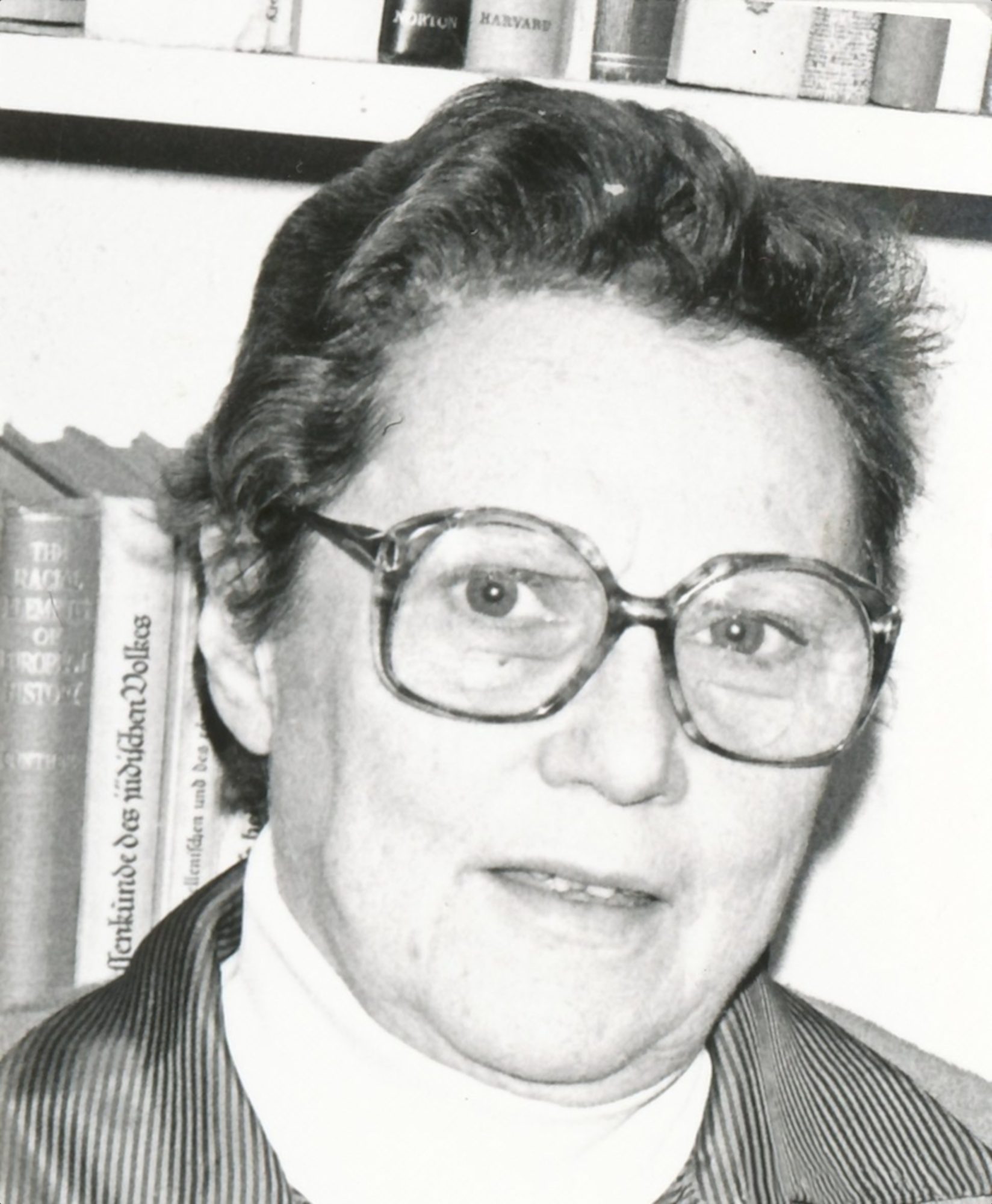
In 1971, she began working at the Institute of Clinical Genetics at Uppsala University. She gradually returned to scientific research, including research into the genetic factors associated with schizophrenia. In 1980, she received a doctorate in medical sciences, and in the following year she became a docent. She retired in 1985.

This required her to re-enter academia, this time in another language and another country. Her second doctorate had a significance beyond the formal acquisition of another academic degree. In Na krawędzi chaosu (On the Edge of Chaos), she returned to the question of why she had sought another doctorate when she had already received one in 1948.

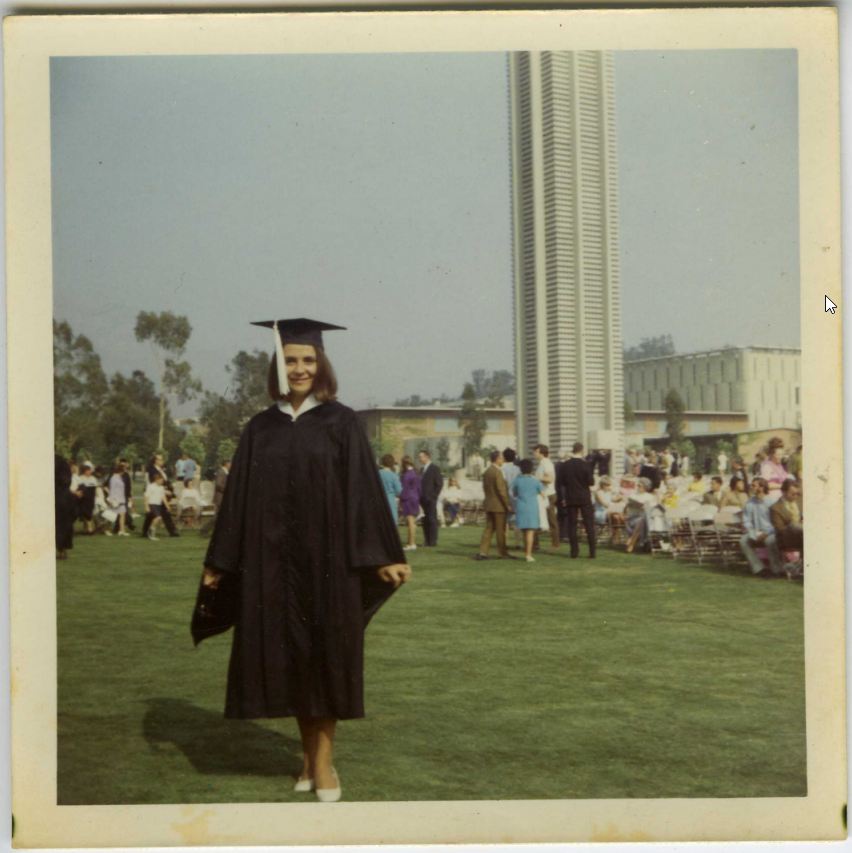
Modrzewska also wrote about the university ceremony at which doctors were formally awarded their degrees and about the academic cap placed on the head of the person being honoured. This detail had a deeply personal significance connected to her experience of gender. She wrote that, for a “transvestite”, wearing the cap publicly as part of the ceremony meant more than an academic ritual: she described it as a “triumph” of her most personal truth.

This passage is particularly significant because it shows how her return to an academic career in Sweden became intertwined with a later, increasingly conscious articulation of her gender identity. It was not only about regaining professional status. The doctorate also offered an opportunity to publicly experience something that had remained concealed for much of her earlier life.

Emigration did not end her career. It forced her to once again undertake a difficult journey that she had already made before.

Language and Belonging - Polish and Swedish

Modrzewska lived and worked between languages: Swedish became the language of her professional life, while Polish remained the language of memory and writing. Later, learning Hebrew became a way of reconnecting with a Jewish heritage that had played little role in her childhood in an assimilated family.

Swedish became the language of her professional life. Polish remained the language in which she wrote, remembered and made sense of her past.

In her oral history interview, she said:

Later in life, she also began learning Hebrew. In 1999, she explained:

Her relationship with language therefore changed throughout her life. Polish was the language of her childhood and education, of literature and memory. Swedish became the language of her professional life in exile. Hebrew appeared later as an attempt to turn towards a heritage with which her assimilated family had had little connection.

Language was also a tool through which she could speak about gender. For many years, Modrzewska lacked a language with which she could directly describe her experience. Her later autobiographies are therefore not simply memoirs, but attempts to find words for something which, as she herself wrote, had remained difficult to understand and accept for most of her life.

Writing herself back into past: Memory, Lublin and retugn

In exile, Modrzewska returned repeatedly to her past through autobiographical writing and visits to Lublin. Writing became a way of revisiting displacement, memory, gender and belonging, and of making sense of a life lived between countries, languages and identities.

In exile, Modrzewska began to write with increasing intensity about the past.

She returned to Poland for the first time after 17 years. Later, she visited Lublin regularly. Her books — Trzy razy Lublin (1991), Czas przedostatni (1992), Na krawędzi chaosu (1994), Dom przy Bernardyńskiej (1999) and Z Bolonii do Uppsali (2002) — were written from the perspective of a life lived between Poland and Sweden.

Writing became a way of revisiting her own biography. Modrzewska returned to the same events, but each time she was able to name them differently. In her later books, the history of her gender identity also became increasingly explicit.

In Na krawędzi chaosu, she wrote about two of the most important truths of her life. The first was what she called a “full awareness of my own difference” and the resulting sense of not fitting in “in a purely biological sense, and consequently also in a social sense”. She also described feelings of guilt, suicidal thoughts and reading Magnus Hirschfeld, through whom she first realised that she was not the only person to experience such a profound sense of difference.

Her writing was not simply a record of what had happened in the past. It was also an attempt to understand herself.

In her 1999 oral history interview, she said:

Writing allowed her to return to successive places and successive versions of her own biography: Warsaw in her childhood, pre-war Lublin, Bologna, occupied Poland, the post-war university and Sweden.

It was not, however, a return to one lost home.

Her life unfolded between different places, languages, names and ways of understanding her own identity. Migration was not a single event in her life, but a repeated experience of displacement and of having to rebuild herself. First, the war forced her to conceal her origins and live under an assumed name. Later, the antisemitic campaign forced her to leave the country in which she had spent most of her life. In Sweden, she had to rebuild her professional position, learn a new language and find her place in a new society.

At the same time, it was only from the perspective of later life that she could increasingly articulate another form of alienation, her experience of her own body and gender, which had accompanied her since childhood.

Krystyna Modrzewska died in Sweden on 27 August 2008.

Historical-Political Background

The story of Krystyna Modrzewska forms part of the history of Central and Eastern Europe, shaped in the 20th century by war, the Holocaust, changing borders, political repression and forced migration.

Before the Second World War, Poland was a multi-ethnic and multi-religious state. More than three million Jews lived there, constituting around 10 % of the population and contributing to the country’s scientific, cultural, economic and political life. At the same time, antisemitism became increasingly visible in the interwar period.

On 1 September 1939, Nazi Germany invaded Poland; on 17 September, the Soviet Union entered from the east. The country was divided between the two occupying powers. For Polish Jews, the occupation brought persecution, ghettoisation, deportation and mass murder. Around three million Polish Jews were murdered during the Holocaust.

After the war, Poland came under Soviet domination. Its borders shifted westwards, millions of people were displaced, and a communist political system was established. Although post-war life allowed people to study, work and pursue professional careers, censorship, surveillance and restrictions on travel and contacts with the West shaped public and professional life.
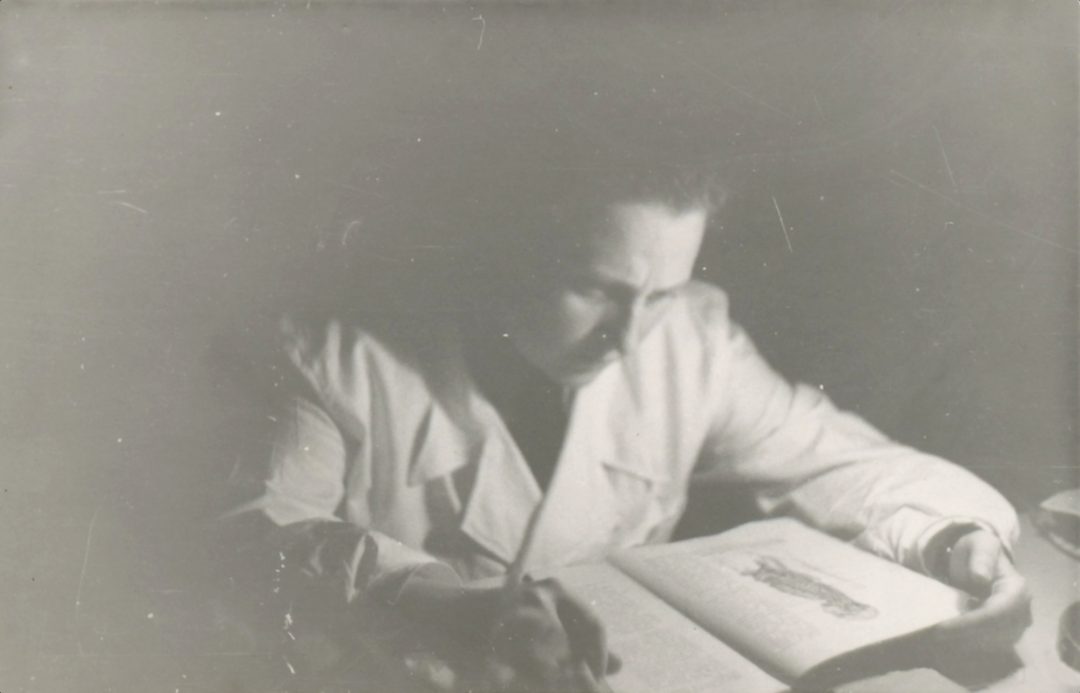
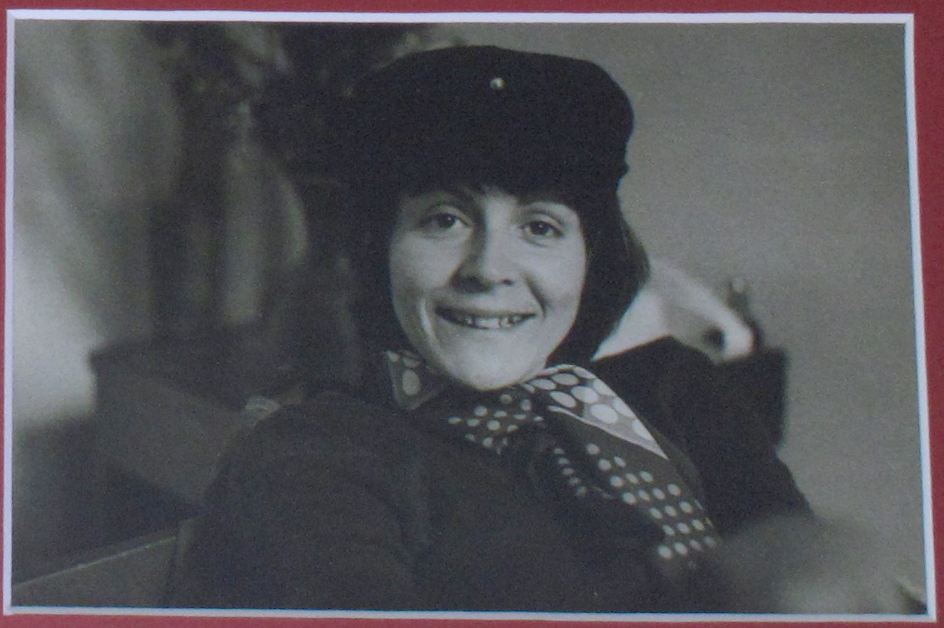
Portrait of Krystyna Modrzewska reading a book
Collection of Krystyna Modrzewska, “Grodzka Gate – NN Theatre” Centre Archive in Lublin

In 1968, student protests were violently suppressed, and the authorities launched what was an officially described as an “anti-Zionist” campaign that was strongly antisemitic in practice. People of Jewish origin were dismissed from universities, workplaces and state institutions. Between 1968 and 1971, around 13,000 Polish Jews left the country. Many were forced to surrender their Polish citizenship and received special travel documents that allowed them to leave but effectively prevented them from returning as Polish citizens.

These departures took place within the wider context of the Cold War, when movement between the communist East and democratic West was tightly controlled. Emigration could mean losing citizenship, employment, professional status, social networks and the possibility of returning home.

It is within this context that Krystyna Modrzewska’s emigration to Sweden in 1970 should be understood. Her departure was not simply a decision to seek a new life abroad, but part of a wider history of politically driven migration from Poland. As a woman in her early fifties, an established scientist, doctor and writer, she had to rebuild her professional position, learn a new language and negotiate her sense of identity and belonging in a new country. Her experience also reflects the particular challenges faced by women whose migration required them to reconstruct not only their careers and social networks, but also their understanding of themselves.
Making of

How and why did you decide to deal with and present this specific story?

We chose Krystyna Modrzewska because her biography connects several aspects of 20th-century European history: Jewish life in pre-war Poland, the Holocaust, survival under an assumed name, post-war academic life, the antisemitic campaign of 1968 and forced emigration to Sweden. Her story also makes visible the intersection of migration, gender and professional life. We focus on her own understanding of identity, including her later reflections on gender, while avoiding imposing contemporary categories on her. As she died in 2008, the story was reconstructed from her writings, oral-history testimony and archival and scholarly sources.

How did you negotiate and decide about the methodologies and processes in acquiring/giving the testimony?

As Modrzewska is no longer alive, we worked with existing testimonies. We prioritised her own words from her 1999 oral-history interview, autobiographical books and 1947 wartime diary, while comparing them with archival and scholarly research. Sensitive issues such as the Holocaust, forced migration, antisemitism and gender identity were addressed through documented sources, without filling historical gaps through speculation.

How and why did you decide to publicly present the story this way?

We chose a narrative, text-based presentation because Modrzewska left extensive autobiographical material and recorded testimony. Longer quotations allow her voice to remain central and preserve the context of her statements. The story is organised thematically around identity, survival, work, migration, language and belonging. We distinguish clearly between Modrzewska’s own terminology and later scholarly interpretations, particularly concerning gender.

What is the motivation and benefit for the person/community sharing the story?

As Modrzewska’s story is preserved through archival sources, our responsibility is to present her testimony carefully, respectfully and in a way that keeps her own voice visible. The aim is to make her experiences more accessible, particularly aspects often marginalised in migration histories: her experience as a Jewish woman, scientist and forced migrant, as well as her reflections on gender and identity. We present her story as a complex historical subject rather than reducing her life to a single category.

What questions and challenges arose during the processes?

The main challenge was avoiding simplification. Modrzewska’s biography crosses Jewish, Holocaust, migration, women’s, academic and gender history. We also had to distinguish carefully between what she herself said and later interpretations of her life. This is particularly important regarding gender identity and historical terminology. The sources themselves also required critical reading: her diary was censored, while her autobiographical works were written decades after some of the events. We therefore treated contradictions, gaps and changes in perspective as part of the historical record rather than trying to resolve them through speculation.

Credits

This testimony was contributed by Larysa Michalska on behalf of Humanity in Action Poland.

Sources and further reading

Primary sources

Modrzewska, Krystyna. Trzy razy Lublin. Lublin, 1991.
Autobiographical account of Modrzewska’s childhood, youth, wartime experiences and relationship with Lublin. The book is an important source for her reflections on identity, gender and belonging.

Modrzewska, Krystyna. Czas przedostatni. Lublin, 1992.
Memoir documenting her departure from Poland and the first period of exile in Sweden, including her experiences as a refugee and her attempts to rebuild her life.

Modrzewska, Krystyna. Na krawędzi chaosu. 1994.
Autobiographical writing reflecting on her life, professional career, identity and experiences of difference.

Modrzewska, Krystyna. Dom przy Bernardyńskiej. 1999.
A memoir centred on the family home at 9 Bernardyńska Street in Lublin and the world of her childhood and family.

Modrzewska, Krystyna. Z Bolonii do Uppsali. 2002.
Memoir covering the trajectory between Italy, Poland and Sweden and the different stages of Modrzewska’s life and professional career.

Modrzewska, Krystyna. Pamiętnik z okresu okupacji, deposited with the Central Jewish Historical Commission in 1947; published in fragments in Biuletyn Żydowskiego Instytutu Historycznego, 1959–1960.
An early account of her wartime experiences. The published version was censored, particularly in passages concerning her hiding in a convent.

Modrzewska, Krystyna. Oral history interview, 1 May 1999, Lublin. Oral History Archive of the “Grodzka Gate – NN Theatre”.
Recorded testimony in which Modrzewska discusses her family background, Jewish identity, life in Lublin, emigration, languages and later relationship with her past.

Secondary sources

Leociak, Jacek. “Cenzor na straży Kościoła. Ocenzurowany pamiętnik Krystyny Modrzewskiej.” Zagłada Żydów. Studia i Materiały, no. 5 (2009), pp. 371–393.
A key study of Modrzewska’s wartime diary and the censorship to which it was subjected after the war.

Ostrowska, Joanna. “Polska, żydowska, queerowa. Tożsamość i biografia Krystyny Modrzewskiej (Mandelbaum).”
An important biographical interpretation focusing on the intersections of Modrzewska’s Polish, Jewish and queer identity, including her writing and changing ways of describing herself.

Matyjasek, Joanna. Dziewczyny z mojej szkoły, pisarki Żydówki z Lublina.
A study placing Modrzewska within the history of Jewish women writers from Lublin and discussing her wartime experiences, emigration, scientific career and autobiographical writing.

Archival and digital collections

Ośrodek „Brama Grodzka – Teatr NN”, Lublin – Biblioteka Multimedialna.
Digital collection containing editions and materials relating to Modrzewska’s books, including Czas przedostatni, Trzy razy Lublin, Na krawędzi chaosu and Dom przy Bernardyńskiej.

Polska Bibliografia Literacka (PBL), Instytut Badań Literackich PAN.
Bibliographic records of Modrzewska’s published works.

Polscy Sprawiedliwi – POLIN. “Tacy jak ja. Historia Krystyny Modrzewskiej.”
Biographical resource discussing Modrzewska’s wartime testimony, autobiographical writing and Polish, Jewish and queer identities.

Partner involved

Humanity in Action Poland

Founded in 2008, Humanity in Action (HIA) Poland is part of the transatlantic Humanity in Action network with non-profit, non-partisan partner organizations in Bosnia and Herzegovina, Denmark, the Netherlands, Germany, and the United States. The educational, networking and leadership programs focus on respect for human rights and actions supporting democracy, civil society and multiculturalism. HIA Poland shares its values through education and the support of forms of civic engagement that are shaped by specific historical and cultural contexts. HIA’s objective is to facilitate and promote dialogue to respond to the challenges that democratic societies face as they become increasingly diverse. Deeply engaged in human rights, pluralism and democracy, the uniqueness of HIA lies in the multitude of perspectives that are brought together in a vibrant international community.
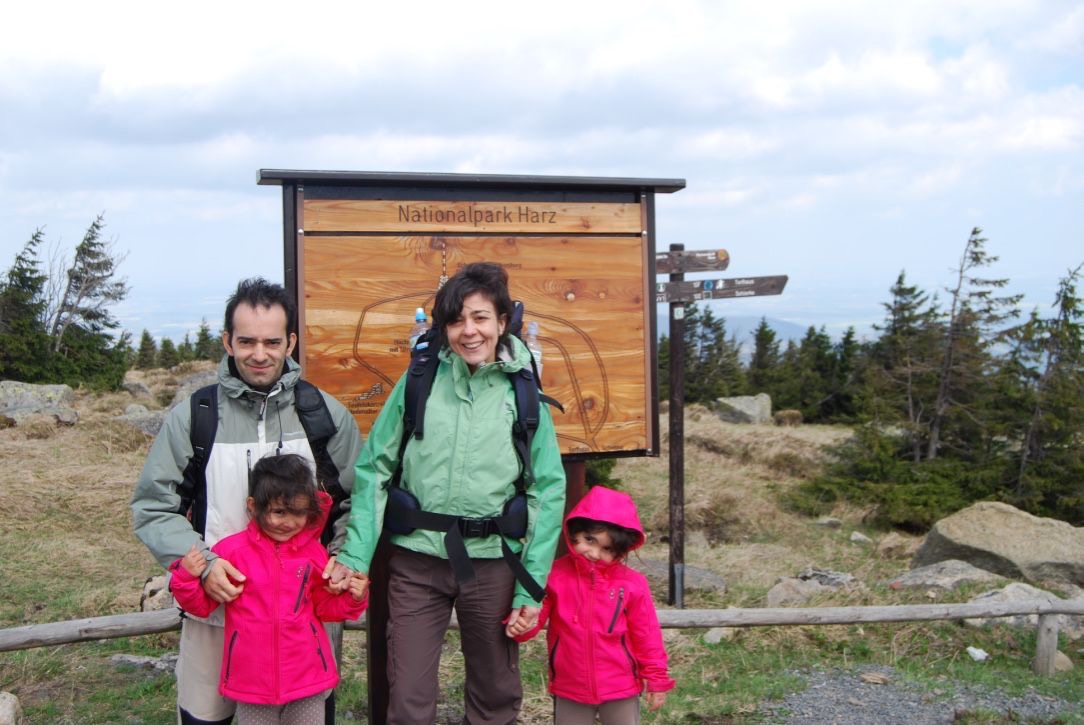
Footnotes

“We plant our own roots” 

Professional Mobility and Family Decisions

A professional opportunity leads Estre and her family from Spain to Germany. Her story shows how international mobility is shaped not only by career opportunities, but also by economic circumstances and shared family decisions. 

You are currently viewing a placeholder content from Vimeo. To access the actual content, click the button below. Please note that doing so will share data with third-party providers.

More Information
For a full transcript of this video interview, please see the PDF linked below in the credits.

Settling In Through Support and Personal Agency 

Estre describes how the support of her employer, social networks, and her own openness helped her settle into life in Germany. At the same time, she makes clear that belonging does not emerge through institutional support alone, but is actively built through everyday relationships and personal initiative. 

You are currently viewing a placeholder content from Vimeo. To access the actual content, click the button below. Please note that doing so will share data with third-party providers.

More Information
For a full transcript of this video interview, please see the PDF linked below in the credits.

Work, Family and Belonging Across Borders

Looking back, Estre reflects on balancing work and family life, navigating different workplace cultures, and experiencing subtle forms of discrimination. She also explains how her family has put down new roots in Germany, showing that home is something people actively create. 

You are currently viewing a placeholder content from Vimeo. To access the actual content, click the button below. Please note that doing so will share data with third-party providers.

More Information
For a full transcript of this video interview, please see the PDF linked below in the credits.

Historical-Political Background

Estre moved from Spain to Germany in 2013 as part of an international work assignment, continuing her international career. She initially relocated to Hanover in March, while her husband and their two daughters joined her shortly after, once accommodation and the children’s schooling had been arranged. Throughout the relocation process, the family received extensive support from her employer. 

As the world of work has become increasingly international, companies have expanded the cross-border deployment of skilled professionals over the past decades. Within the European Union, the free movement of workers facilitates this exchange. Many companies offer their employees the opportunity to work abroad for a limited period, enabling them to gain international experience while strengthening collaboration between different branches. 

Estre’s story illustrates how a temporary international work assignment can develop into a permanent life in a new country. Her interview highlights that successful settlement depends not only on favourable structural conditions but, above all, on openness, mutual support, and a sense of belonging. At the same time, she describes the move to Germany as an enriching experience for her family. Her daughters grew up in an international and multilingual environment, allowing them to gain a wide range of cultural and personal experiences. 

Making of

How and why did you decide to deal with and present this specific story? 

On the occasion of the 60th anniversary of the recruitment agreement between Bonn and Ankara, the Ruhr Museum presented the exhibition “We Are from Here. Turkish-German Life 1990. Photographs by Ergun Çağatay” (2021), as well as “Mustafa’s Dream. Photographs by Henning Christoph on Turkish Life in Germany 1977–1989” (2021-2022). 

Both exhibitions combined historical insights with personal stories and aimed to bring greater attention to the long-overlooked experiences of labour migration in Germany, while also encouraging dialogue between generations and communities. 

The accompanying programs were also deliberately designed to be participatory. The decision to tell migration history not only from an institutional perspective, but also to actively involve the communities concerned, was based on the idea of making diverse experiences visible and sharing interpretive authority. 

In this context, the Ruhr Museum is involved in the European project FeMig.Lab. Through its own interview project, it specifically focuses on the life stories of migrant women in order to raise the profile of female migration experiences, which have historically been less well documented. The focus is on intergenerational experiences of women from Spain, Greece, and Turkey. Its goal is to connect individual perspectives with broader historical and political contexts, offering a more nuanced view of female labour migration. 

How did you negotiate and decide about the methodologies and processes in acquiring/giving the testimony? 

The project is designed and carried out by the Ruhr Museum (Meltem Küçükyılmaz) in cooperation with the Spanischen Elternverein Essen e. V. (Cristina Fernández-Moser), HistAgoge | Geschichtsforschung (Spiridon Papaioannou), and the mitMach Agentur (Mustafa Mert). The questionnaire and thematic focus areas were developed jointly, and the selection of interview partners was also evaluated together. This participatory approach builds on the Ruhr Museum’s previous work. 

In terms of content, the project focuses on two distinct generations of migration: women from the so-called recruitment agreement generation and a more recent wave of migrant women and expatriates who have arrived in Germany since around 2011. The selected interviewees are Anastasia Walden, Ceferina García García, and Neriman Yılmaz, representing the recruitment agreement generation, and Estre, Çağla Diner, and Maria Papadopoulou, representing the more recent wave. With two women from Spain, two from Greece, and two from Turkey, the project combines an intergenerational perspective with a comparative, transnational approach. Since all participants responded to the same set of interview questions, their experiences can be compared systematically. By examining their opportunities, challenges, legal status, employment experiences, and social acceptance in Germany, the project aims to highlight both continuities and changes in women’s migration experiences over time and across national contexts. 

Prior to the interviews, preliminary personal conversations took place, during which the goals, process, and expectations were discussed transparently. The interviewees were actively involved and had a say in deciding which topics and aspects of their stories they wanted to share. The interviews were conducted in a safe environment within the museum and, where desired, in the participants’ native language in order to build trust and reduce barriers. 

Sensitive topics were handled in close coordination with the participants; content could be omitted, anonymized, or adapted at any time. 

How and why did you decide to publicly present the story this way? 

For the presentation, a format was deliberately chosen that preserves the personal character of the stories and allows the women’s voices to be experienced directly. The combination of interviews, images, and personal materials creates a multi-layered approach that makes individual experiences visible and relatable. 

The interviewees were involved in decisions regarding publication and were able to have a say in what content would be included and how their stories would be presented. This ensured that the representation reflected their perspectives and respected their autonomy. 

At the same time, the project sees itself as a curatorial process that is always shaped by selection and classification. This responsibility is consciously reflected upon in order to present the stories in a respectful and context-sensitive way. In doing so, the project acknowledges existing power dynamics and seeks to reduce barriers through participation and transparency. 

Particular emphasis is placed on protecting the participants: issues relating to data protection and publication are communicated clearly and agreed upon jointly. The aim is also to make the content as accessible as possible, especially for the communities involved, and to ensure open access to these stories. 

What is the motivation and benefit for the person/community sharing the story? How did you negotiate this and take it into consideration? 

Throughout the project, care was taken to ensure that both the cooperating partners and the interviewees benefited from their involvement. The cooperation partners received a fee for their conceptual and organizational contributions, recognizing their expertise and commitment. The interviewees were offered an expense allowance to acknowledge their time, their willingness to participate, and their openness in sharing personal stories. 

In addition, the participating associations and institutions benefit from long-term networking with the museum, as well as from the opportunity to make their own perspectives and topics visible and to contribute them to cultural processes. For the interviewees, alongside the financial recognition, the main benefit lies in the visibility of their life stories. 

Overall, the project aims to foster a partnership of equals that encompasses both intangible and tangible forms of recognition and strengthens sustainable relationships between institutions and communities. 

What questions and challenges arose during the processes? 

A key challenge in the project was multilingualism, which is also a major strength. The linguistic diversity of the interviewees reflects their different migration experiences and helped create a trusting and comfortable atmosphere during the conversations. At the same time, it presented practical challenges, particularly in terms of translation and subtitling. This process required a sensitive approach in order to convey meanings as accurately as possible. Thanks to close collaboration with the project partners, this process was successfully carried out as they contributed both their linguistic and cultural expertise. 

Credits

Interview  

Conducted on 11 February 2026 at Ruhr Museum, Essen. © Ruhr Museum 

Texts 

Written by Ruhr Museum.  

We would like to extend our heartfelt thanks to Estre for sharing her story and memories with us. Together with five other interviewees from Spain, Greece, and Turkey, she contributes to an intergenerational and transnational interview project exploring women’s migration experiences in Germany. 

The conception and implementation of the interview project were carried out by Ruhr Museum (Meltem Küçükyılmaz) in cooperation with Spanischer Elternverein Essen e. V. (Cristina Fernández-Moser), HistAgoge | Geschichtsforschung (Spiridon Papaioannou), and mitMach Agentur (Mustafa Mert).

Photos

Privat photos © Estre

Transcript PDF here.

Partner involved

RuhrMuseum Logo 4c mit Schutzraum

Ruhr Museum

An orange-glowing staircase and 6,000 exhibits in a spectacular industrial setting: The Ruhr Museum’s permanent exhibition at the Zollverein UNESCO World Heritage Site shows the fascinating natural and cultural history of one of the world’s largest industrial regions.

The Regional Museum of the Ruhr Area shows in its permanent exhibition the entire natural and cultural history of the region from the formation of coal over 300 million years ago to today’s structural change to the Ruhr metropolis. Visitors follow the former path of the coal and descend deeper and deeper from the present into the history of the Ruhr region. Over three levels, they pass through windowless bunkers, huge industrial machines, raw concrete walls and conveyor belts. In between, 6,000 exhibits show in often fascinating detail how a formerly agricultural region developed into Europe’s largest coal and steel production area and then became the Metropole Ruhr.

Footnotes

“Mama, where are you taking us?”

Arrival and First Impressions: Childhood in Migration   

Anastasia Walden moves to Germany from Greece as a child in the early 1960s. Her arrival is marked by feelings of unfamiliarity, fear, and uncertainty. She initially finds her new surrounding strange and overwhelming. 

You are currently viewing a placeholder content from Vimeo. To access the actual content, click the button below. Please note that doing so will share data with third-party providers.

More Information
For a full transcript of this video interview, please see the PDF linked below in the credits.

School, Language, and Finding Her Own Path     

In her adult life, she focuses on her career, family and community involvement. Anastasia juggles responsibilities at work, at home, and within the Greek community. 
You are currently viewing a placeholder content from Vimeo. To access the actual content, click the button below. Please note that doing so will share data with third-party providers.

More Information
For a full transcript of this video interview, please see the PDF linked below in the credits.

Work, Family, and Community Engagement  

In her adult life, she focuses on her career, family and community involvement. Anastasia juggles responsibilities at work, in raising her children, and within the Greek community.
You are currently viewing a placeholder content from Vimeo. To access the actual content, click the button below. Please note that doing so will share data with third-party providers.

More Information
For a full transcript of this video interview, please see the PDF linked below in the credits.

Historical-Political Background

Historical-Political Background 

In the 1960s, the Federal Republic of Germany experienced rapid economic growth during the so-called “Wirtschaftswunder”, which led to an increasing demand for labour. To address an impending lack of workforce, Germany signed recruitment agreements with several countries, including Greece on 30 March 1960. The aim was to attract workers for the industrial and service sectors, particularly for mining, the steel industry, and other areas of production. 

Over time, many of these workers brought their families to Germany, as it became clear that their stay would not be temporary but long-term. 

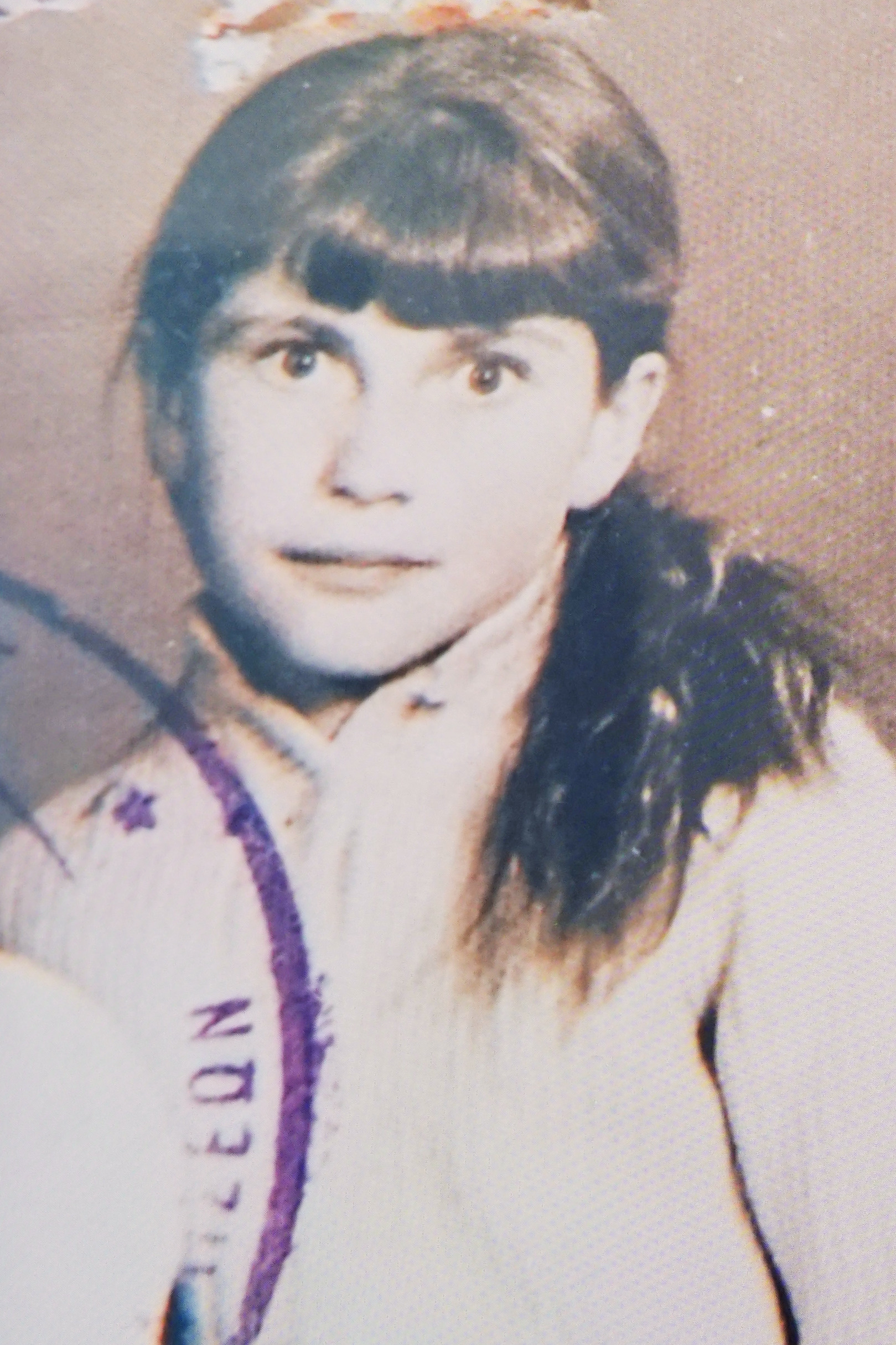
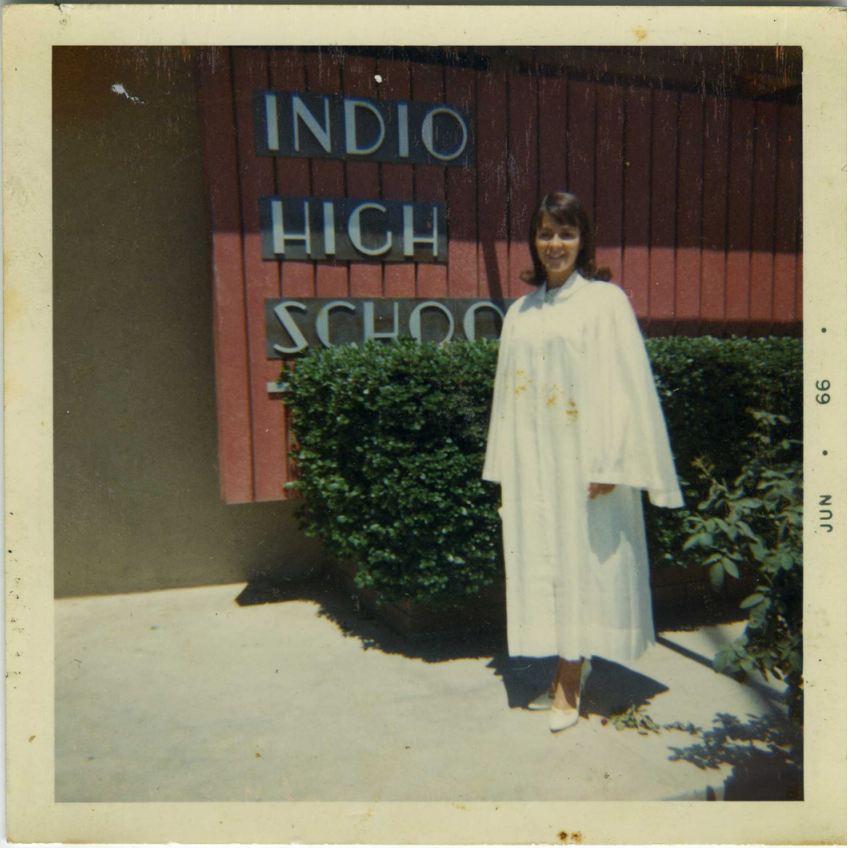
Anastasia Walden, née Papadopoulou, was born in Votanochóri near Larissa in Thessaly/Greece and came to Germany as a child in August 1963. Her parents had migrated earlier under the recruitment agreement. While her father worked in construction, her mother gradually established herself as a seamstress. 

Anastasia’s arrival in Germany was marked by strong impressions: her new surroundings initially seemed unfamiliar and frightening. Entering school and adapting to everyday life posed major challenges, particularly due to language barriers, but also opened up new opportunities. She completed a commercial training and went on to work for many years in the same company. 

Over the course of her life, she also experienced social and political changes in Germany that affected her daily life. After the opening of the inner-German border, the atmosphere in her workplace changed noticeably, and questions of belonging were renegotiated. 

Alongside her professional life, she was actively engaged in her family and in the Greek community, taking on responsibilities in her children’s school environment and participating in community activities.1

She initially lived in Recklinghausen, where she completed her business training. After getting married, she moved to Bochum, where she continues to live today. 

Anastasia Walden’s biography is representative of many life stories of children born to labour migrants, who found their own paths between family expectations, education, and professional opportunities. 

Making of

How and why did you decide to deal with and present this specific story? 

On the occasion of the 60th anniversary of the recruitment agreement between Bonn and Ankara, the Ruhr Museum presented the exhibition “We Are from Here. Turkish-German Life 1990. Photographs by Ergun Çağatay” (2021), as well as “Mustafa’s Dream. Photographs by Henning Christoph on Turkish Life in Germany 1977–1989” (2021-2022). 

Both exhibitions combined historical insights with personal stories and aimed to bring greater attention to the long-overlooked experiences of labour migration in Germany, while also encouraging dialogue between generations and communities. 

The accompanying programs were also deliberately designed to be participatory. The decision to tell migration history not only from an institutional perspective, but also to actively involve the communities concerned, was based on the idea of making diverse experiences visible and sharing interpretive authority. 

In this context, the Ruhr Museum is involved in the European project FeMig.Lab. Through its own interview project, it specifically focuses on the life stories of migrant women in order to raise the profile of female migration experiences, which have historically been less well documented. The focus is on intergenerational experiences of women from Spain, Greece, and Turkey. Its goal is to connect individual perspectives with broader historical and political contexts, offering a more nuanced view of female labour migration. 

How did you negotiate and decide about the methodologies and processes in acquiring/giving the testimony? 

The project is designed and carried out by the Ruhr Museum (Meltem Küçükyılmaz) in cooperation with the Spanischen Elternverein Essen e. V. (Cristina Fernández-Moser), HistAgoge | Geschichtsforschung (Spiridon Papaioannou), and the mitMach Agentur (Mustafa Mert). The questionnaire and thematic focus areas were developed jointly, and the selection of interview partners was also evaluated together. This participatory approach builds on the Ruhr Museum’s previous work. 

In terms of content, the project focuses on two distinct generations of migration: women from the so-called recruitment agreement generation and a more recent wave of migrant women and expatriates who have arrived in Germany since around 2011. The selected interviewees are Anastasia Walden, Ceferina García García, and Neriman Yılmaz, representing the recruitment agreement generation, and EstreÇağla Diner, and Maria Papadopoulou, representing the more recent wave. With two women from Spain, two from Greece, and two from Turkey, the project combines an intergenerational perspective with a comparative, transnational approach. Since all participants responded to the same set of interview questions, their experiences can be compared systematically. By examining their opportunities, challenges, legal status, employment experiences, and social acceptance in Germany, the project aims to highlight both continuities and changes in women’s migration experiences over time and across national contexts. 

Prior to the interviews, preliminary personal conversations took place, during which the goals, process, and expectations were discussed transparently. The interviewees were actively involved and had a say in deciding which topics and aspects of their stories they wanted to share. The interviews were conducted in a safe environment within the museum and, where desired, in the participants’ native language in order to build trust and reduce barriers. 

Sensitive topics were handled in close coordination with the participants; content could be omitted, anonymized, or adapted at any time. 

How and why did you decide to publicly present the story this way? 

For the presentation, a format was deliberately chosen that preserves the personal character of the stories and allows the women’s voices to be experienced directly. The combination of interviews, images, and personal materials creates a multi-layered approach that makes individual experiences visible and relatable. 

The interviewees were involved in decisions regarding publication and were able to have a say in what content would be included and how their stories would be presented. This ensured that the representation reflected their perspectives and respected their autonomy. 

At the same time, the project sees itself as a curatorial process that is always shaped by selection and classification. This responsibility is consciously reflected upon in order to present the stories in a respectful and context-sensitive way. In doing so, the project acknowledges existing power dynamics and seeks to reduce barriers through participation and transparency. 

Particular emphasis is placed on protecting the participants: issues relating to data protection and publication are communicated clearly and agreed upon jointly. The aim is also to make the content as accessible as possible, especially for the communities involved, and to ensure open access to these stories. 

What is the motivation and benefit for the person/community sharing the story? How did you negotiate this and take it into consideration? 

Throughout the project, care was taken to ensure that both the cooperating partners and the interviewees benefited from their involvement. The cooperation partners received a fee for their conceptual and organizational contributions, recognizing their expertise and commitment. The interviewees were offered an expense allowance to acknowledge their time, their willingness to participate, and their openness in sharing personal stories. 

In addition, the participating associations and institutions benefit from long-term networking with the museum, as well as from the opportunity to make their own perspectives and topics visible and to contribute them to cultural processes. For the interviewees, alongside the financial recognition, the main benefit lies in the visibility of their life stories. 

Overall, the project aims to foster a partnership of equals that encompasses both intangible and tangible forms of recognition and strengthens sustainable relationships between institutions and communities. 

What questions and challenges arose during the processes? 

A key challenge in the project was multilingualism, which is also a major strength. The linguistic diversity of the interviewees reflects their different migration experiences and helped create a trusting and comfortable atmosphere during the conversations. At the same time, it presented practical challenges, particularly in terms of translation and subtitling. This process required a sensitive approach in order to convey meanings as accurately as possible. Thanks to close collaboration with the project partners, this process was successfully carried out as they contributed both their linguistic and cultural expertise. 

Credits

Interview  

Conducted on 11 February 2026 at Ruhr Museum, Essen. © Ruhr Museum 

Texts 

The texts were created with the involvement of Spiridon Papaioannou. 

We would like to extend our heartfelt thanks to Anastasia Walden for sharing her story and memories with us. Together with five other interviewees from Spain, Greece, and Turkey, she contributes to an intergenerational and transnational interview project exploring women’s migration experiences in Germany. 

The conception and implementation of the interview project were carried out by Ruhr Museum (Meltem Küçükyılmaz) in collaboration with Spanischer Elternverein Essen e. V. (Cristina Fernández-Moser), HistAgoge | Geschichtsforschung (Spiridon Papaioannou), and mitMach Agentur (Mustafa Mert). 

Pictures 

© Anastasia Walden 

Transcript PDF here.

Partner involved

RuhrMuseum Logo 4c mit Schutzraum

Ruhr Museum

An orange-glowing staircase and 6,000 exhibits in a spectacular industrial setting: The Ruhr Museum’s permanent exhibition at the Zollverein UNESCO World Heritage Site shows the fascinating natural and cultural history of one of the world’s largest industrial regions.

The Regional Museum of the Ruhr Area shows in its permanent exhibition the entire natural and cultural history of the region from the formation of coal over 300 million years ago to today’s structural change to the Ruhr metropolis. Visitors follow the former path of the coal and descend deeper and deeper from the present into the history of the Ruhr region. Over three levels, they pass through windowless bunkers, huge industrial machines, raw concrete walls and conveyor belts. In between, 6,000 exhibits show in often fascinating detail how a formerly agricultural region developed into Europe’s largest coal and steel production area and then became the Metropole Ruhr.

Footnotes

  1. Anastasia Walden served for several years on the board of a Greek parents’ association, where she was involved, among other roles, as secretary and chairperson; see also, for additional context on the association’s history: Griechische Vereinigung Bochum e.V. (formerly Verein griechischer Eltern- und Erziehungsberechtigter Bochum e.V.), “Unsere Historie”, available online at: http://www.grinbo.de/unsere-historie/  ↩︎

“Or I try my luck abroad”

Decision and Departure: Migration in Times of Crisis

Against the backdrop of the economic crisis in Greece, Maria Papadopoulou faces a fundamental decision after completing her studies: to stay or to leave. Migration appears as a way to escape uncertainty and to seek new opportunities. 

You are currently viewing a placeholder content from Vimeo. To access the actual content, click the button below. Please note that doing so will share data with third-party providers.

More Information
For a full transcript of this video interview, please see the PDF linked below in the credits.

Arrival and Adjustment: Language, Studies, Everyday Life 

The first years in Germany are marked by a new beginning: learning the language, finding orientation within the academic system, and navigating everyday life in a new environment. Challenges and uncertainties accompany this process. 

You are currently viewing a placeholder content from Vimeo. To access the actual content, click the button below. Please note that doing so will share data with third-party providers.

More Information
For a full transcript of this video interview, please see the PDF linked below in the credits.

Perspectives and Belonging: Work, Networks, Future 

Over time, new opportunities emerge through studies, work, and social networks. At the same time, her connection to Greece remains strong and continues to shape her sense of belonging. 

You are currently viewing a placeholder content from Vimeo. To access the actual content, click the button below. Please note that doing so will share data with third-party providers.

More Information
For a full transcript of this video interview, please see the PDF linked below in the credits.

Historical-Political Background

Maria Papadopoulou was born in Stavrós/Amigdaleóna near Kavála in the Greek region of Macedonia, and came to Germany on 14 February 2014 for professional and educational reasons. She initially moved to Dortmund, where an uncle wo had lived there since the age of eighteen supported her during her initial period in the city. 

She decided to pursue further studies in social work, building on her degree in primary education in Greece. In this context, she later moved to Essen, where she continues to live today. 

The financial and economic crisis that affected many countries in the Eurozone from 2009 onwards had a particularly severe impact on Greece. High unemployment, declining incomes, and limited future prospects led many people, especially young adults, to seek new opportunities abroad. After completing her studies, Maria Papadopoulou also faced the decision of whether to remain in Greece or to pursue new prospects in another country. 

During this time, Germany became a central destination due to its comparatively stable economic conditions and diverse educational opportunities. Additionally, an established Greek community, dating back to the 1960s, provided important points of reference. Existing family networks, as in her case, often made it easier to relocate to Germany. 

In addition to improving career prospects, access to universities and further study programs played an important role for many. At the same time, individual experiences such as those of Maria Papadopoulou show that migration is also associated with challenges, particularly in learning the language and entering higher education and the labour market. 

Making of

How and why did you decide to deal with and present this specific story? 

On the occasion of the 60th anniversary of the recruitment agreement between Bonn and Ankara, the Ruhr Museum presented the exhibition “We Are from Here. Turkish-German Life 1990. Photographs by Ergun Çağatay” (2021), as well as “Mustafa’s Dream. Photographs by Henning Christoph on Turkish Life in Germany 1977–1989” (2021-2022). 

Both exhibitions combined historical insights with personal stories and aimed to bring greater attention to the long-overlooked experiences of labour migration in Germany, while also encouraging dialogue between generations and communities. 

The accompanying programs were also deliberately designed to be participatory. The decision to tell migration history not only from an institutional perspective, but also to actively involve the communities concerned, was based on the idea of making diverse experiences visible and sharing interpretive authority. 

In this context, the Ruhr Museum is involved in the European project FeMig.Lab. Through its own interview project, it specifically focuses on the life stories of migrant women in order to raise the profile of female migration experiences, which have historically been less well documented. The focus is on intergenerational experiences of women from Spain, Greece, and Turkey. Its goal is to connect individual perspectives with broader historical and political contexts, offering a more nuanced view of female labour migration. 

How did you negotiate and decide about the methodologies and processes in acquiring/giving the testimony? 

The project is designed and carried out by the Ruhr Museum (Meltem Küçükyılmaz) in cooperation with the Spanischen Elternverein Essen e. V. (Cristina Fernández-Moser), HistAgoge | Geschichtsforschung (Spiridon Papaioannou), and the mitMach Agentur (Mustafa Mert). The questionnaire and thematic focus areas were developed jointly, and the selection of interview partners was also evaluated together. This participatory approach builds on the Ruhr Museum’s previous work. 

In terms of content, the project focuses on two distinct generations of migration: women from the so-called recruitment agreement generation and a more recent wave of migrant women and expatriates who have arrived in Germany since around 2011. The selected interviewees are Anastasia Walden, Ceferina García García, and Neriman Yılmaz, representing the recruitment agreement generation, and EstreÇağla Diner, and Maria Papadopoulou, representing the more recent wave. With two women from Spain, two from Greece, and two from Turkey, the project combines an intergenerational perspective with a comparative, transnational approach. Since all participants responded to the same set of interview questions, their experiences can be compared systematically. By examining their opportunities, challenges, legal status, employment experiences, and social acceptance in Germany, the project aims to highlight both continuities and changes in women’s migration experiences over time and across national contexts. 

Prior to the interviews, preliminary personal conversations took place, during which the goals, process, and expectations were discussed transparently. The interviewees were actively involved and had a say in deciding which topics and aspects of their stories they wanted to share. The interviews were conducted in a safe environment within the museum and, where desired, in the participants’ native language in order to build trust and reduce barriers. 

Sensitive topics were handled in close coordination with the participants; content could be omitted, anonymized, or adapted at any time. 

How and why did you decide to publicly present the story this way? 

For the presentation, a format was deliberately chosen that preserves the personal character of the stories and allows the women’s voices to be experienced directly. The combination of interviews, images, and personal materials creates a multi-layered approach that makes individual experiences visible and relatable. 

The interviewees were involved in decisions regarding publication and were able to have a say in what content would be included and how their stories would be presented. This ensured that the representation reflected their perspectives and respected their autonomy. 

At the same time, the project sees itself as a curatorial process that is always shaped by selection and classification. This responsibility is consciously reflected upon in order to present the stories in a respectful and context-sensitive way. In doing so, the project acknowledges existing power dynamics and seeks to reduce barriers through participation and transparency. 

Particular emphasis is placed on protecting the participants: issues relating to data protection and publication are communicated clearly and agreed upon jointly. The aim is also to make the content as accessible as possible, especially for the communities involved, and to ensure open access to these stories. 

What is the motivation and benefit for the person/community sharing the story? How did you negotiate this and take it into consideration? 

Throughout the project, care was taken to ensure that both the cooperating partners and the interviewees benefited from their involvement. The cooperation partners received a fee for their conceptual and organizational contributions, recognizing their expertise and commitment. The interviewees were offered an expense allowance to acknowledge their time, their willingness to participate, and their openness in sharing personal stories. 

In addition, the participating associations and institutions benefit from long-term networking with the museum, as well as from the opportunity to make their own perspectives and topics visible and to contribute them to cultural processes. For the interviewees, alongside the financial recognition, the main benefit lies in the visibility of their life stories. 

Overall, the project aims to foster a partnership of equals that encompasses both intangible and tangible forms of recognition and strengthens sustainable relationships between institutions and communities. 

What questions and challenges arose during the processes? 

A key challenge in the project was multilingualism, which is also a major strength. The linguistic diversity of the interviewees reflects their different migration experiences and helped create a trusting and comfortable atmosphere during the conversations. At the same time, it presented practical challenges, particularly in terms of translation and subtitling. This process required a sensitive approach in order to convey meanings as accurately as possible. Thanks to close collaboration with the project partners, this process was successfully carried out as they contributed both their linguistic and cultural expertise. 

Credits

Interview  

Conducted on 11 February 2026 at Ruhr Museum, Essen. © Ruhr Museum 

Texts 

The texts were created with the involvement of Spiridon Papaioannou. 

We would like to extend our heartfelt thanks to Maria Papadopoulou for sharing her story and memories with us. Together with five other interviewees from Spain, Greece, and Turkey, she contributes to an intergenerational and transnational interview project exploring women’s migration experiences in Germany. 

The conception and implementation of the interview project were carried out by Ruhr Museum (Meltem Küçükyılmaz) in collaboration with Spanischer Elternverein Essen e. V. (Cristina Fernández-Moser), HistAgoge | Geschichtsforschung (Spiridon Papaioannou), and mitMach Agentur (Mustafa Mert). 

Photos  

© Maria Papadopoulou 

Transcript PDF here.

Partner involved

RuhrMuseum Logo 4c mit Schutzraum

Ruhr Museum

An orange-glowing staircase and 6,000 exhibits in a spectacular industrial setting: The Ruhr Museum’s permanent exhibition at the Zollverein UNESCO World Heritage Site shows the fascinating natural and cultural history of one of the world’s largest industrial regions.

The Regional Museum of the Ruhr Area shows in its permanent exhibition the entire natural and cultural history of the region from the formation of coal over 300 million years ago to today’s structural change to the Ruhr metropolis. Visitors follow the former path of the coal and descend deeper and deeper from the present into the history of the Ruhr region. Over three levels, they pass through windowless bunkers, huge industrial machines, raw concrete walls and conveyor belts. In between, 6,000 exhibits show in often fascinating detail how a formerly agricultural region developed into Europe’s largest coal and steel production area and then became the Metropole Ruhr.

Footnotes

“Paid less, worked like others” 

Leaving Spain: Crisis and Decision

Ceferina García García grows up in Asturias, where economic hardship and uncertainty shape everyday life. When her husband falls ill and the family faces growing financial pressure, the decision to leave Spain becomes inevitable. 

You are currently viewing a placeholder content from Vimeo. To access the actual content, click the button below. Please note that doing so will share data with third-party providers.

More Information
For a full transcript of this video interview, please see the PDF linked below in the credits.

Arrival and Struggle: Life in Germany

Arriving in Germany brings new challenges: unfamiliar language, hard work in the textile industry, and difficult living conditions. At the same time, Ceferina must cope with the painful separation from her children. 

You are currently viewing a placeholder content from Vimeo. To access the actual content, click the button below. Please note that doing so will share data with third-party providers.

More Information
For a full transcript of this video interview, please see the PDF linked below in the credits.

Building a Life: Work, Family, and Belonging 

Over time, Ceferina gains confidence and stands up for herself at work. Through perseverance and support from others, she gradually builds a new life in Germany and creates a sense of belonging. 

You are currently viewing a placeholder content from Vimeo. To access the actual content, click the button below. Please note that doing so will share data with third-party providers.

More Information
For a full transcript of this video interview, please see the PDF linked below in the credits.

Historical-Political Background

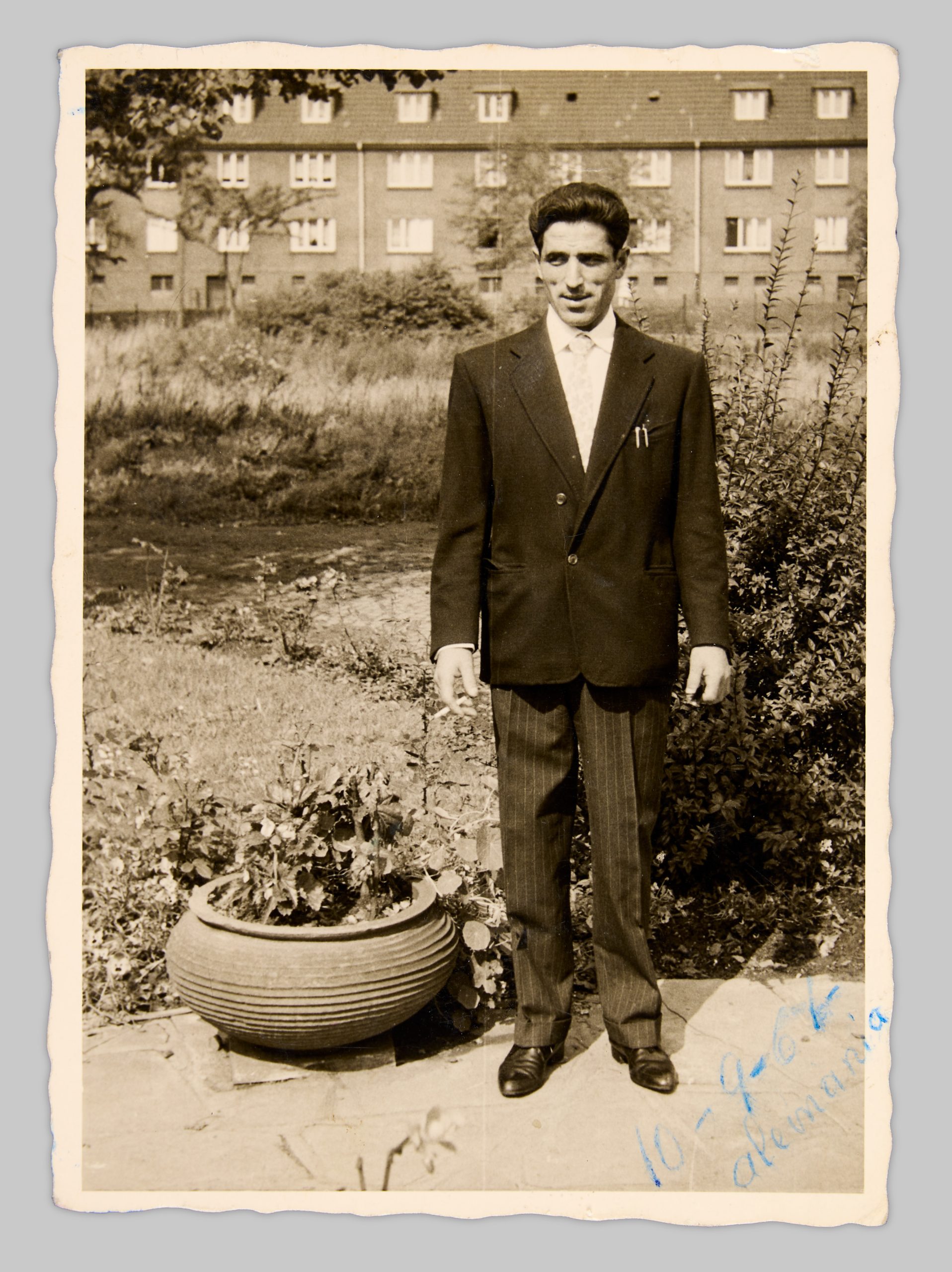
Ovidio Fernández García, born in 1927, initially worked as a hewer in the La Camocha coal mine in Gijón, a mining town in the northern Spanish region of Asturias. After being diagnosed with silicosis, he was no longer able to work underground. Faced with debts from the construction of his house, he decided to migrate to the Ruhr region in 1961. In Essen, he first found work at an ironworks and later at GWB Gelenkwellenbau, where he was employed as a lathe operator until his retirement. He died in Essen on 23 May 2013. 

His migration was part of the large wave of Spanish labour migration to West Germany during the 1960s. Following the bilateral recruitment agreement of 1960, the Ruhr region, West Germany’s centre of coal mining and heavy industry, became a major destination for Spanish workers recruited to address severe labour shortages during the economic boom. At the same time, limited economic opportunities and political repression under the Franco dictatorship encouraged many Spaniards to seek work abroad, often intending to return after a few years. 

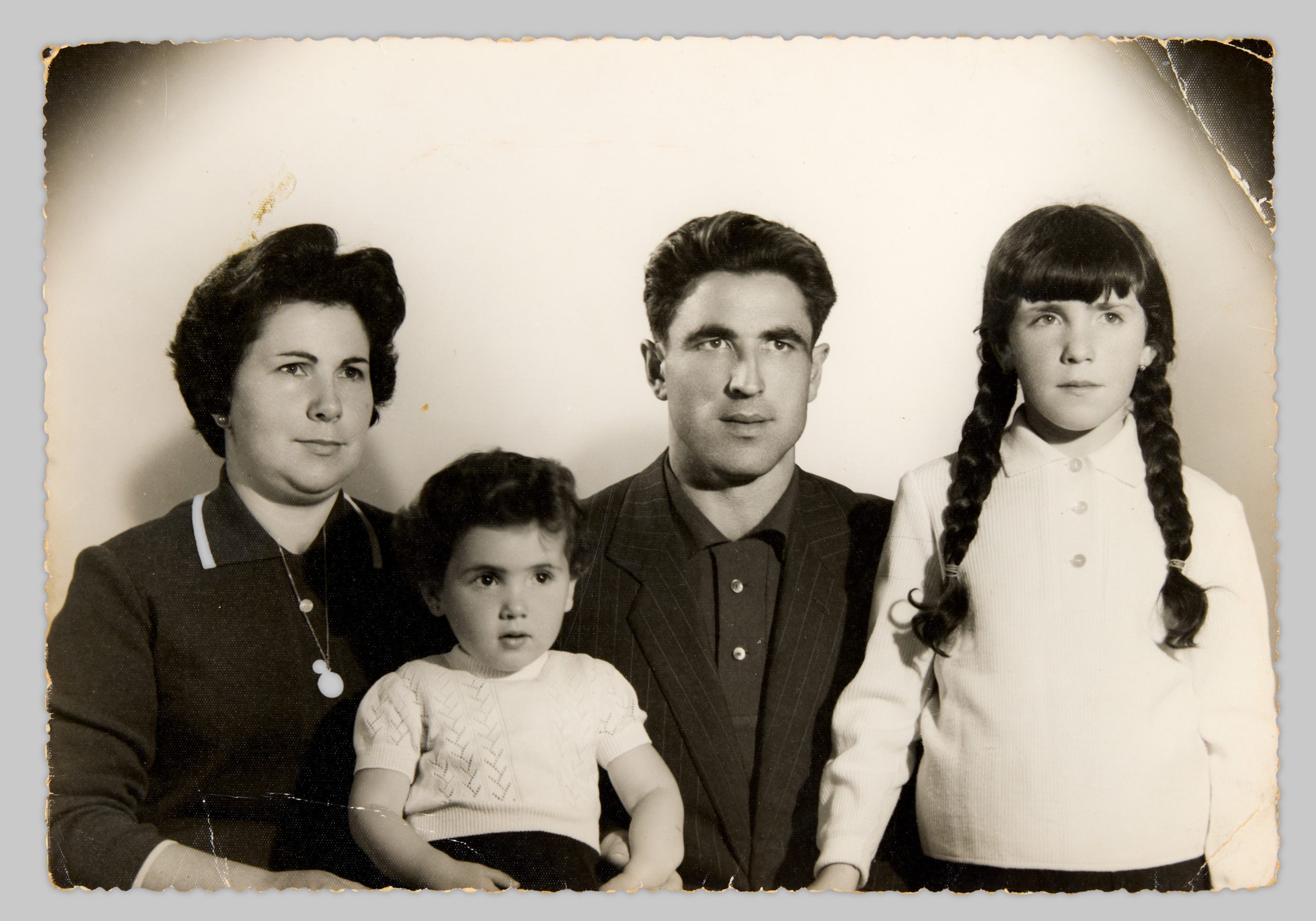
His wife, Ceferina García García, was born on 8 March 1931 in San Julián de Bimenes (Asturias). Born out of wedlock, she grew up under difficult circumstances. At the age of nine, she lost her mother and was raised by her grandmother and aunts. Although she enjoyed attending school, this was not always possible for her, as her help was needed in agricultural work, especially during harvest time. Her childhood was shaped by the Spanish Civil War and the hardships of the post-war years. 

Ovidio and Ceferina were married on 20 January 1951 in San Julián de Bimenes. Their first daughter, Irene, was born the same year, followed by their second daughter, Cristina, in 1959 in La Camocha near Gijón. In 1960, the family purchased a plot of land and began building their own house. 

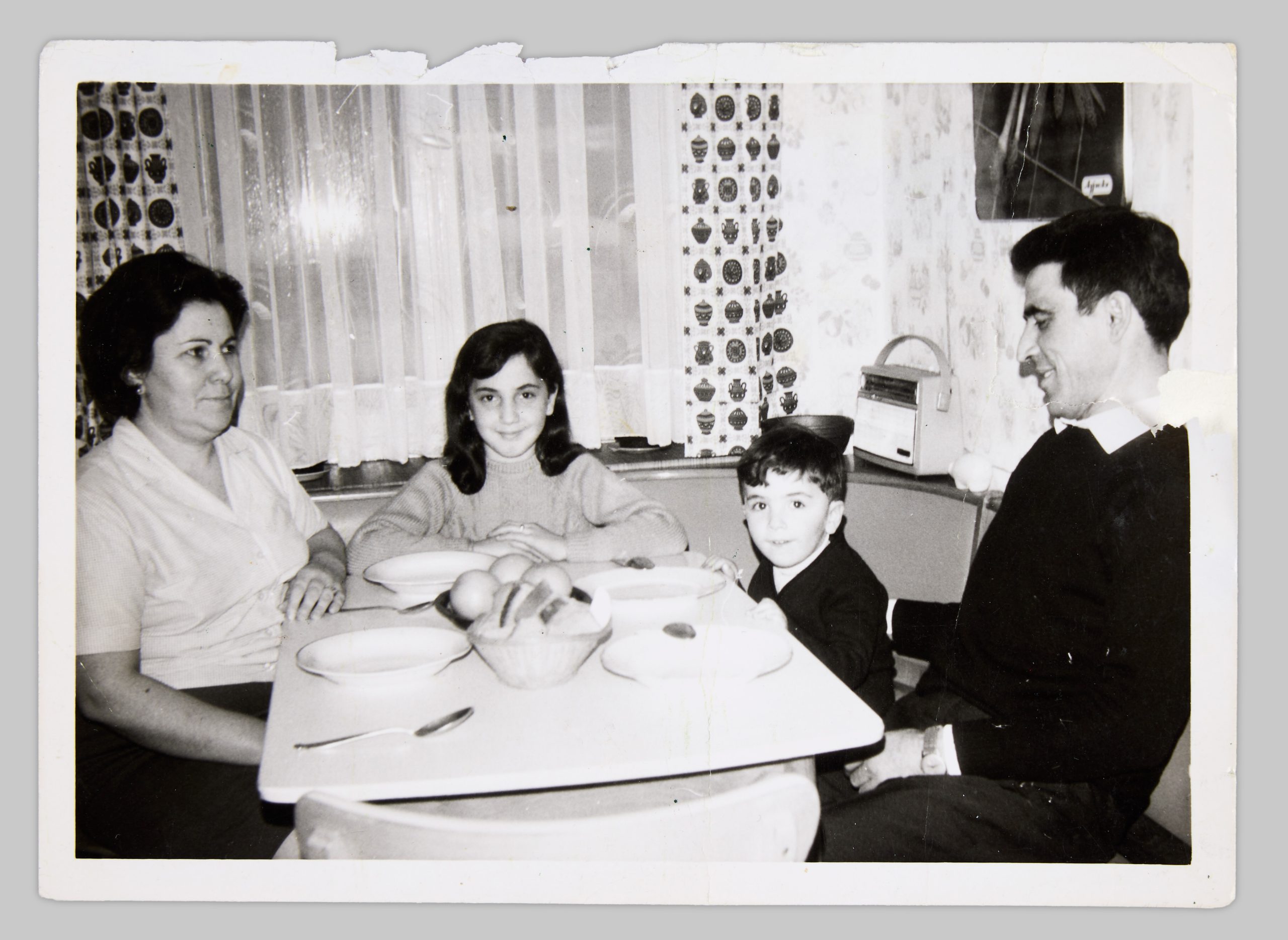
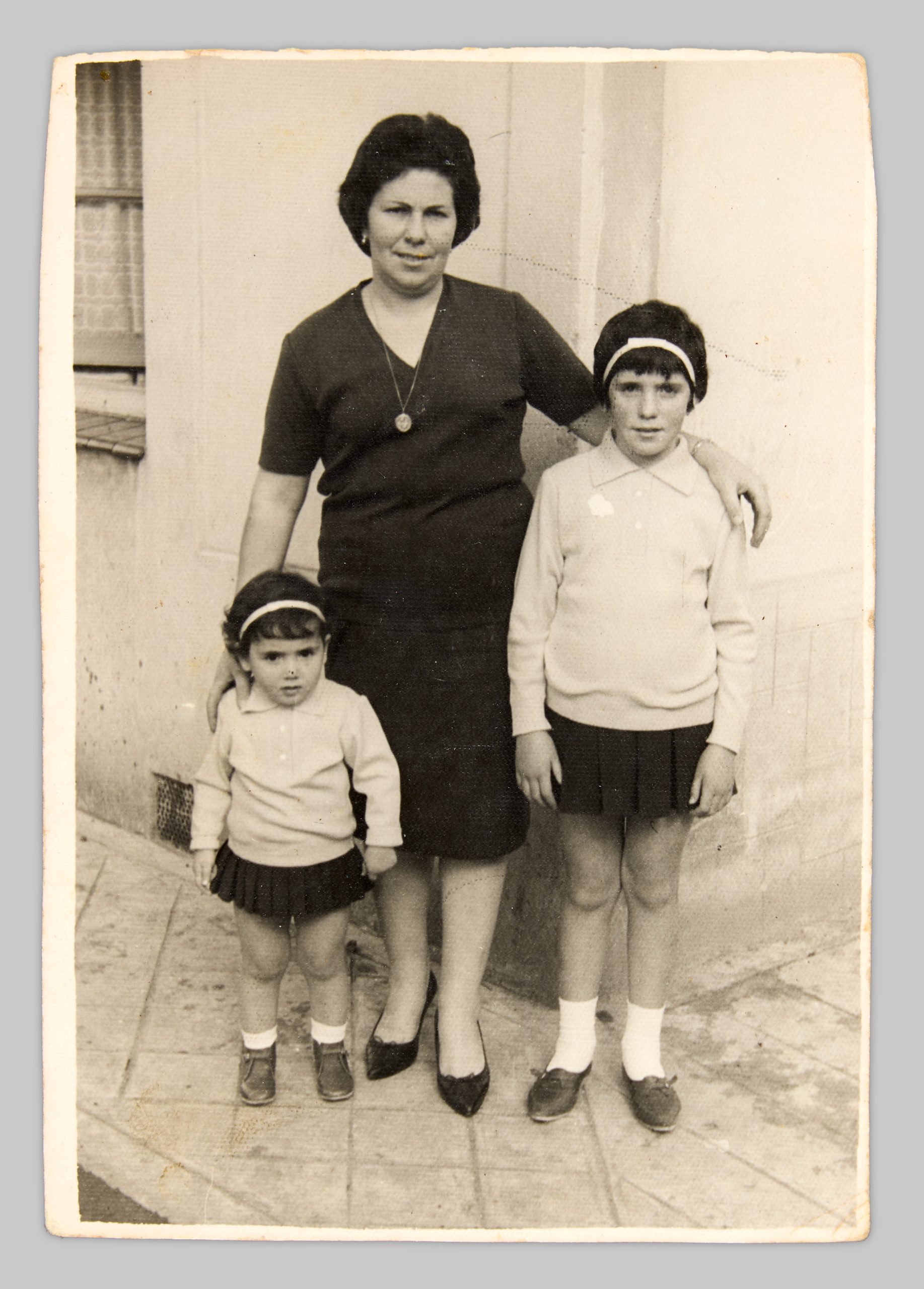
In 1962,one year after her husband, Ceferina travelled to Germany by train with a friend. She initially left her two daughters with relatives in the family’s newly built house in Spain. In Essen, she worked as a seamstress in various companies. When it became clear that a quick return to Spain would not be possible, Ovidio and Ceferina brought their daughters to Germany. While Irene stayed with her parents in Essen, Cristina temporarily returned to Spain due to illness. 

In April 1966, their son Ovidio was born at the Knappschaftskrankenhaus in Essen-Steele. Shortly afterward, the family travelled together to Spain for the younger daughter’s First Communion. They then returned to Essen, where, for the first time since Ovidio’s birth, the entire family lived together again, but only for a limited period. 

After another stay in Spain, the older daughter Irene decided to return permanently to Gijón, where she found employment. Once again, the family was separated. 

Ceferina García García continued working in various tailoring shops as well as in cleaning jobs, including for the Diocese of Essen. In addition to her work in textile factories and retail, she also took on private sewing work for neighbours and acquaintances. 

Ceferina initially experienced unequal treatment in the workplace. Foreign workers were often assigned lower wage categories than their German colleagues despite performing the same tasks. These inequalities reflected broader structural practices within the West German labour market, where migrant workers frequently had limited opportunities to challenge their classification or negotiate better wages. Ceferina herself recalled receiving substantially lower pay than her German coworkers despite doing the same work. Only after raising the issue with management did she receive equal pay. 

From the late 1980s onward, during retirement, the couple lived alternately in Spain and Germany. While Irene remained based in Gijón, Cristina and her brother Ovidio continued to live in Essen. 

The family’s story is representative of many biographies of labour migrants, whose lives were shaped by work, separation, and the desire to create a better future for their families. 

Making of 

How and why did you decide to deal with and present this specific story? 

On the occasion of the 60th anniversary of the recruitment agreement between Bonn and Ankara, the Ruhr Museum presented the exhibition “We Are from Here. Turkish-German Life 1990. Photographs by Ergun Çağatay” (2021), as well as “Mustafa’s Dream. Photographs by Henning Christoph on Turkish Life in Germany 1977–1989” (2021-2022). 

Both exhibitions combined historical insights with personal stories and aimed to bring greater attention to the long-overlooked experiences of labour migration in Germany, while also encouraging dialogue between generations and communities. 

The accompanying programs were also deliberately designed to be participatory. The decision to tell migration history not only from an institutional perspective, but also to actively involve the communities concerned, was based on the idea of making diverse experiences visible and sharing interpretive authority. 

In this context, the Ruhr Museum is involved in the European project FeMig.Lab. Through its own interview project, it specifically focuses on the life stories of migrant women in order to raise the profile of female migration experiences, which have historically been less well documented. The focus is on intergenerational experiences of women from Spain, Greece, and Turkey. Its goal is to connect individual perspectives with broader historical and political contexts, offering a more nuanced view of female labour migration. 

How did you negotiate and decide about the methodologies and processes in acquiring/giving the testimony? 

The project is designed and carried out by the Ruhr Museum (Meltem Küçükyılmaz) in cooperation with the Spanischen Elternverein Essen e. V. (Cristina Fernández-Moser), HistAgoge | Geschichtsforschung (Spiridon Papaioannou), and the mitMach Agentur (Mustafa Mert). The questionnaire and thematic focus areas were developed jointly, and the selection of interview partners was also evaluated together. This participatory approach builds on the Ruhr Museum’s previous work. 

In terms of content, the project focuses on two distinct generations of migration: women from the so-called recruitment agreement generation and a more recent wave of migrant women and expatriates who have arrived in Germany since around 2011. The selected interviewees are Anastasia Walden, Ceferina García García, and Neriman Yılmaz, representing the recruitment agreement generation, and EstreÇağla Diner, and Maria Papadopoulou, representing the more recent wave. With two women from Spain, two from Greece, and two from Turkey, the project combines an intergenerational perspective with a comparative, transnational approach. Since all participants responded to the same set of interview questions, their experiences can be compared systematically. By examining their opportunities, challenges, legal status, employment experiences, and social acceptance in Germany, the project aims to highlight both continuities and changes in women’s migration experiences over time and across national contexts. 

Prior to the interviews, preliminary personal conversations took place, during which the goals, process, and expectations were discussed transparently. The interviewees were actively involved and had a say in deciding which topics and aspects of their stories they wanted to share. The interviews were conducted in a safe environment within the museum and, where desired, in the participants’ native language in order to build trust and reduce barriers. 

Sensitive topics were handled in close coordination with the participants; content could be omitted, anonymized, or adapted at any time. 

How and why did you decide to publicly present the story this way? 

For the presentation, a format was deliberately chosen that preserves the personal character of the stories and allows the women’s voices to be experienced directly. The combination of interviews, images, and personal materials creates a multi-layered approach that makes individual experiences visible and relatable. 

The interviewees were involved in decisions regarding publication and were able to have a say in what content would be included and how their stories would be presented. This ensured that the representation reflected their perspectives and respected their autonomy. 

At the same time, the project sees itself as a curatorial process that is always shaped by selection and classification. This responsibility is consciously reflected upon in order to present the stories in a respectful and context-sensitive way. In doing so, the project acknowledges existing power dynamics and seeks to reduce barriers through participation and transparency. 

Particular emphasis is placed on protecting the participants: issues relating to data protection and publication are communicated clearly and agreed upon jointly. The aim is also to make the content as accessible as possible, especially for the communities involved, and to ensure open access to these stories. 

What is the motivation and benefit for the person/community sharing the story? How did you negotiate this and take it into consideration? 

Throughout the project, care was taken to ensure that both the cooperating partners and the interviewees benefited from their involvement. The cooperation partners received a fee for their conceptual and organizational contributions, recognizing their expertise and commitment. The interviewees were offered an expense allowance to acknowledge their time, their willingness to participate, and their openness in sharing personal stories. 

In addition, the participating associations and institutions benefit from long-term networking with the museum, as well as from the opportunity to make their own perspectives and topics visible and to contribute them to cultural processes. For the interviewees, alongside the financial recognition, the main benefit lies in the visibility of their life stories. 

Overall, the project aims to foster a partnership of equals that encompasses both intangible and tangible forms of recognition and strengthens sustainable relationships between institutions and communities. 

What questions and challenges arose during the processes? 

A key challenge in the project was multilingualism, which is also a major strength. The linguistic diversity of the interviewees reflects their different migration experiences and helped create a trusting and comfortable atmosphere during the conversations. At the same time, it presented practical challenges, particularly in terms of translation and subtitling. This process required a sensitive approach in order to convey meanings as accurately as possible. Thanks to close collaboration with the project partners, this process was successfully carried out as they contributed both their linguistic and cultural expertise. 

Credits

Interview  

Conducted on 11 February 2026 at the Ruhr Museum, Essen. © Ruhr Museum 

Texts 

The texts were created with the involvement of Cristina Fernández-Moser, the daughter of Ceferina García García. 

We would like to extend our heartfelt thanks to Ceferina García García for sharing her story and memories with us. Together with five other interviewees from Spain, Greece, and Turkey, she contributes to an intergenerational and transnational interview project exploring women’s migration experiences in Germany. 

The conception and implementation of the interview project were carried out by the Ruhr Museum (Meltem Küçükyılmaz) in cooperation with Spanischer Elternverein Essen e. V. (Cristina Fernández-Moser), HistAgoge | Geschichtsforschung (Spiridon Papaioannou), and mitMach Agentur (Mustafa Mert). 

Photos

Copyright of all photos except for the radio: © Cristina Fernández-Moser 

Copyright for the radio photo: © Ruhr Museum, Foto: Rainer Rothenberg 

Transcript PDF here

Partner involved

RuhrMuseum Logo 4c mit Schutzraum

Ruhr Museum

An orange-glowing staircase and 6,000 exhibits in a spectacular industrial setting: The Ruhr Museum’s permanent exhibition at the Zollverein UNESCO World Heritage Site shows the fascinating natural and cultural history of one of the world’s largest industrial regions.

The Regional Museum of the Ruhr Area shows in its permanent exhibition the entire natural and cultural history of the region from the formation of coal over 300 million years ago to today’s structural change to the Ruhr metropolis. Visitors follow the former path of the coal and descend deeper and deeper from the present into the history of the Ruhr region. Over three levels, they pass through windowless bunkers, huge industrial machines, raw concrete walls and conveyor belts. In between, 6,000 exhibits show in often fascinating detail how a formerly agricultural region developed into Europe’s largest coal and steel production area and then became the Metropole Ruhr.

Footnotes

“I thought I would go back.”

Origins and departure

Neriman Yılmaz Alp grows up in a village in Turkey. Her life is shaped by family structures, communal work, and rural living conditions. At first, there are no plans for her to move to Germany. It is only her father’s decision that leads to her coming to Germany as a young woman. 

You are currently viewing a placeholder content from Vimeo. To access the actual content, click the button below. Please note that doing so will share data with third-party providers.

More Information
For a full transcript of this video interview, please see the PDF linked below in the credits.

Work, language, perseverance

In Germany, she begins her life without any knowledge of the language. She finds her first jobs and acquires the language through everyday life. Her subsequent life is shaped by continuous work, family responsibilities, and challenges within both professional and social contexts, including discrimination as a woman and a migrant. 

You are currently viewing a placeholder content from Vimeo. To access the actual content, click the button below. Please note that doing so will share data with third-party providers.

More Information
For a full transcript of this video interview, please see the PDF linked below in the credits.

Arriving between two worlds

Over the years, she builds a life for herself in Germany and finds her place in society. At the same time, she has maintained her connection to Turkey. Her biography represents a life lived between two cultural contexts. 

You are currently viewing a placeholder content from Vimeo. To access the actual content, click the button below. Please note that doing so will share data with third-party providers.

More Information
For a full transcript of this video interview, please see the PDF linked below in the credits.

Historical-Political Background

The life story of Neriman Yılmaz Alp is closely intertwined with the history of so-called guest workers in Germany. Following the 1961 recruitment agreement between West Germany and Turkey, hundreds of thousands of people came to Germany as workers – most of them with the expectation of staying only temporarily. 

In Neriman’s family, it was her father who went to Germany first, while the rest of the family remained in Turkey. They later joined him through family reunification, a turning point that marked a profound change for many families. For a young person like Neriman, this meant not just moving countries, but starting over in an unfamiliar environment. 

Since so-called guest worker programs were originally intended to be temporary, structures for social participation were lacking for a long time. Many people arrived without any knowledge of the language and had to carve out their place in society on their own. Neriman’s experience reflects this: she initially managed her everyday life without speaking German and gradually worked her way into the labour market step by step. 

The feelings of uncertainty, disappointment, and homesickness she describes mirror the realities of many migrant lives of that time. At the same time, her story shows how what was once meant to be a temporary stay became a permanent life, shaped by work, family, and the desire for independence. 

Today, her biography stands as an example of a generation that helped shape Germany, even though the realities of their lives were not recognized as part of the country’s social history for a long time. 

Making of

How and why did you decide to deal with and present this specific story?

On the occasion of the 60th anniversary of the recruitment agreement between Bonn and Ankara, the Ruhr Museum presented the exhibition “We Are from Here. Turkish-German Life 1990. Photographs by Ergun Çağatay” (2021), as well as “Mustafa’s Dream. Photographs by Henning Christoph on Turkish Life in Germany 1977–1989” (2021-2022). 

Both exhibitions combined historical insights with personal stories and aimed to bring greater attention to the long-overlooked experiences of labour migration in Germany, while also encouraging dialogue between generations and communities. 

The accompanying programs were also deliberately designed to be participatory. The decision to tell migration history not only from an institutional perspective, but also to actively involve the communities concerned, was based on the idea of making diverse experiences visible and sharing interpretive authority. 

In this context, the Ruhr Museum is involved in the European project FeMig.Lab. Through its own interview project, it specifically focuses on the life stories of migrant women in order to raise the profile of female migration experiences, which have historically been less well documented. The focus is on intergenerational experiences of women from Spain, Greece, and Turkey. Its goal is to connect individual perspectives with broader historical and political contexts, offering a more nuanced view of female labour migration. 

How did you negotiate and decide about the methodologies and processes in acquiring/giving the testimony?

The project is designed and carried out by the Ruhr Museum (Meltem Küçükyılmaz) in cooperation with the Spanischen Elternverein Essen e. V. (Cristina Fernández-Moser), HistAgoge | Geschichtsforschung (Spiridon Papaioannou), and the mitMach Agentur (Mustafa Mert). The questionnaire and thematic focus areas were developed jointly, and the selection of interview partners was also evaluated together. This participatory approach builds on the Ruhr Museum’s previous work. 

In terms of content, the project focuses on two distinct generations of migration: women from the so-called recruitment agreement generation and a more recent wave of migrant women and expatriates who have arrived in Germany since around 2011. The selected interviewees are Anastasia Walden, Ceferina García García, and Neriman Yılmaz, representing the recruitment agreement generation, and EstreÇağla Diner, and Maria Papadopoulou, representing the more recent wave. With two women from Spain, two from Greece, and two from Turkey, the project combines an intergenerational perspective with a comparative, transnational approach. Since all participants responded to the same set of interview questions, their experiences can be compared systematically. By examining their opportunities, challenges, legal status, employment experiences, and social acceptance in Germany, the project aims to highlight both continuities and changes in women’s migration experiences over time and across national contexts. 

Prior to the interviews, preliminary personal conversations took place, during which the goals, process, and expectations were discussed transparently. The interviewees were actively involved and had a say in deciding which topics and aspects of their stories they wanted to share. The interviews were conducted in a safe environment within the museum and, where desired, in the participants’ native language in order to build trust and reduce barriers. 

Sensitive topics were handled in close coordination with the participants; content could be omitted, anonymized, or adapted at any time. 

How and why did you decide to publicly present the story this way?

For the presentation, a format was deliberately chosen that preserves the personal character of the stories and allows the women’s voices to be experienced directly. The combination of interviews, images, and personal materials creates a multi-layered approach that makes individual experiences visible and relatable. 

The interviewees were involved in decisions regarding publication and were able to have a say in what content would be included and how their stories would be presented. This ensured that the representation reflected their perspectives and respected their autonomy. 

At the same time, the project sees itself as a curatorial process that is always shaped by selection and classification. This responsibility is consciously reflected upon in order to present the stories in a respectful and context-sensitive way. In doing so, the project acknowledges existing power dynamics and seeks to reduce barriers through participation and transparency. 

Particular emphasis is placed on protecting the participants: issues relating to data protection and publication are communicated clearly and agreed upon jointly. The aim is also to make the content as accessible as possible, especially for the communities involved, and to ensure open access to these stories. 

What is the motivation and benefit for the person/community sharing the story? How did you negotiate this and take it into consideration?

Throughout the project, care was taken to ensure that both the cooperating partners and the interviewees benefited from their involvement. The cooperation partners received a fee for their conceptual and organizational contributions, recognizing their expertise and commitment. The interviewees were offered an expense allowance to acknowledge their time, their willingness to participate, and their openness in sharing personal stories. 

In addition, the participating associations and institutions benefit from long-term networking with the museum, as well as from the opportunity to make their own perspectives and topics visible and to contribute them to cultural processes. For the interviewees, alongside the financial recognition, the main benefit lies in the visibility of their life stories. 

Overall, the project aims to foster a partnership of equals that encompasses both intangible and tangible forms of recognition and strengthens sustainable relationships between institutions and communities. 

What questions and challenges arose during the processes?

A key challenge in the project was multilingualism, which is also a major strength. The linguistic diversity of the interviewees reflects their different migration experiences and helped create a trusting and comfortable atmosphere during the conversations. At the same time, it presented practical challenges, particularly in terms of translation and subtitling. This process required a sensitive approach in order to convey meanings as accurately as possible. Thanks to close collaboration with the project partners, this process was successfully carried out as they contributed both their linguistic and cultural expertise. 

Credits

Interview

Conducted on 10 February 2026 at Ruhr Museum, Essen. © Ruhr Museum 

Texts 

Written by Ruhr Museum.  

We would like to extend our heartfelt thanks to Neriman Yılmaz for sharing her story and memories with us. Together with five other interviewees from Spain, Greece, and Turkey, she contributes to an intergenerational and transnational interview project exploring women’s migration experiences in Germany.  

The conception and implementation of the interview project were carried out by Ruhr Museum (Meltem Küçükyılmaz) in cooperation with Spanischer Elternverein Essen e. V. (Cristina Fernández-Moser), HistAgoge | Geschichtsforschung (Spiridon Papaioannou), and mitMach Agentur (Mustafa Mert).

Photos

Privat Pictures © Neriman Yılmaz

Video Transcript PDF here.

Partner involved

RuhrMuseum Logo 4c mit Schutzraum

Ruhr Museum

An orange-glowing staircase and 6,000 exhibits in a spectacular industrial setting: The Ruhr Museum’s permanent exhibition at the Zollverein UNESCO World Heritage Site shows the fascinating natural and cultural history of one of the world’s largest industrial regions.

The Regional Museum of the Ruhr Area shows in its permanent exhibition the entire natural and cultural history of the region from the formation of coal over 300 million years ago to today’s structural change to the Ruhr metropolis. Visitors follow the former path of the coal and descend deeper and deeper from the present into the history of the Ruhr region. Over three levels, they pass through windowless bunkers, huge industrial machines, raw concrete walls and conveyor belts. In between, 6,000 exhibits show in often fascinating detail how a formerly agricultural region developed into Europe’s largest coal and steel production area and then became the Metropole Ruhr.

Footnotes

“Privilege is not being aware of privileges”

Global Academic Career to Political Pressure and Forced Migration

Çağla Diner grows up in Turkey, where she completes her entire school and academic education. After finishing her studies, she moves to the United States, where she lives, conducts research, and works for several years. She then returns to Turkey and continues her academic career. In the context of increasing political repression, censorship, and restrictions on academic autonomy, she feels that she and others like her are unwelcome in Turkey. This ultimately leads to her decision to leave the country. 

You are currently viewing a placeholder content from Vimeo. To access the actual content, click the button below. Please note that doing so will share data with third-party providers.

More Information
For a full transcript of this video interview, please see the PDF linked below in the credits.

Precarious Arrival and Family Realities 

She comes to Germany through a support program for politically persecuted scholars. Despite her well-paying fellowship, her situation is marked by uncertainty: the absence of formal employment contracts protecting workers’ rights and short-term residence permits makes her living situation precarious. Migrating with a family and children adds further challenges. Limited childcare options for full-time working women and discriminatory practices within the German bureaucracy and labour market play a role in the recurrence of the de-skilling process experienced by many migrants in the country.

You are currently viewing a placeholder content from Vimeo. To access the actual content, click the button below. Please note that doing so will share data with third-party providers.

More Information

For a full transcript of this video interview, please see the PDF linked below in the credits.

Language, Belonging and Diaspora Experience 

Language barriers complicate her interpersonal relationships and participation in society. She increasingly relies on diaspora networks rather than engaging with broader social or civic life. The dialectic between her need for support and her desire for recognition and participation leads her to continually reflect on questions of belonging and identity. Life in the diaspora becomes an ongoing process of social and political socialization and negotiation, through which she constructs her new identity. 

You are currently viewing a placeholder content from Vimeo. To access the actual content, click the button below. Please note that doing so will share data with third-party providers.

More Information
For a full transcript of this video interview, please see the PDF linked below in the credits.

Historical-Political Background

The interview with Çağla Diner is set against the backdrop of the political developments in Turkey since the 2010s, which, especially after 2016, led to severe restrictions on freedom of expression and academic autonomy. At the heart of this is the persecution of political and intellectual opposition in the country, including the academics who publicly opposed state violence and were subsequently subjected to different forms of repression. 

For signing the peace petition “we will not be a party to this crime!’ by the “academics for peace” Çağla Diner was prosecuted in a high criminal court for supporting terrorism. As political repression intensified and censorship became more pervasive, she increasingly felt that she no longer had a place in her country, and eventually she left. Her migration thus took place in the context of political repression rather than a search for better job prospects.  

Her arrival in Germany was part of a support program for scholars at risk. These programs provide protection, but are often subject to challenging conditions, such as the absence of employment contracts with regular employee benefits and lack of long-term residency rights. This leaves scholars without legal and economic security, making their future prospects increasingly uncertain. 

At the same time, the interview highlights structural challenges in the German context, including bureaucratic hurdles, limited childcare options for full-time working women, language barriers and uncertainties due to limited contracts. Çağla experiences the German university system as entrenched and hierarchical, making it difficult for foreign researchers to continue their career according to their international expertise. In general, many immigrants in Germany are facing patterns of de-skilling shaped by bureaucratic barriers in the recognition of qualifications, language barriers, and risk-averse, exclusionary and often discriminatory structures within the German labour market.

Çağla Diner also points to the role of migrant networks within the Turkish community, which have emerged over the past 10–15 years, driven by out-migration from Turkey due to increasing political repression and rising conservatism in state institutions. These networks1 provide support but, at the same time, can confine new Turkish migrants to their own communities, channelling their social and economic activities inward rather than towards the broader society. Unfortunately, as Çağla Diner puts forward, this dynamic is reinforced by the exclusionary practices and structural inequalities entrenched in broader German society and state structures. 

Objekt Cagla zugeschnitten
A familiar object through times of change: the rug traveled with Çağla along different migration routes, from one home to the next, and remains with her in Germany today. © Çağla Diner

Making of

How and why did you decide to deal with and present this specific story?

On the occasion of the 60th anniversary of the recruitment agreement between Bonn and Ankara, the Ruhr Museum presented the exhibition “We Are from Here. Turkish-German Life 1990. Photographs by Ergun Çağatay” (2021), as well as “Mustafa’s Dream. Photographs by Henning Christoph on Turkish Life in Germany 1977–1989” (2021-2022). 

Both exhibitions combined historical insights with personal stories and aimed to bring greater attention to the long-overlooked experiences of labour migration in Germany, while also encouraging dialogue between generations and communities. 

The accompanying programs were also deliberately designed to be participatory. The decision to tell migration history not only from an institutional perspective, but also to actively involve the communities concerned, was based on the idea of making diverse experiences visible and sharing interpretive authority. 

In this context, the Ruhr Museum is involved in the European project FeMig.Lab. Through its own interview project, it specifically focuses on the life stories of migrant women in order to raise the profile of female migration experiences, which have historically been less well documented. The focus is on intergenerational experiences of women from Spain, Greece, and Turkey. Its goal is to connect individual perspectives with broader historical and political contexts, offering a more nuanced view of female labour migration. 

How did you negotiate and decide about the methodologies and processes in acquiring/giving the testimony?

The project is designed and carried out by the Ruhr Museum (Meltem Küçükyılmaz) in cooperation with the Spanischen Elternverein Essen e. V. (Cristina Fernández-Moser), HistAgoge | Geschichtsforschung (Spiridon Papaioannou), and the mitMach Agentur (Mustafa Mert). The questionnaire and thematic focus areas were developed jointly, and the selection of interview partners was also evaluated together. This participatory approach builds on the Ruhr Museum’s previous work. 

In terms of content, the project focuses on two distinct generations of migration: women from the so-called recruitment agreement generation and a more recent wave of migrant women and expatriates who have arrived in Germany since around 2011. The selected interviewees are Anastasia Walden, Ceferina García García, and Neriman Yılmaz, representing the recruitment agreement generation, and Estre, Çağla Diner, and Maria Papadopoulou, representing the more recent wave. With two women from Spain, two from Greece, and two from Turkey, the project combines an intergenerational perspective with a comparative, transnational approach. Since all participants responded to the same set of interview questions, their experiences can be compared systematically. By examining their opportunities, challenges, legal status, employment experiences, and social acceptance in Germany, the project aims to highlight both continuities and changes in women’s migration experiences over time and across national contexts. 

Prior to the interviews, preliminary personal conversations took place, during which the goals, process, and expectations were discussed transparently. The interviewees were actively involved and had a say in deciding which topics and aspects of their stories they wanted to share. The interviews were conducted in a safe environment within the museum and, where desired, in the participants’ native language in order to build trust and reduce barriers.

Sensitive topics were handled in close coordination with the participants; content could be omitted, anonymized, or adapted at any time. 

How and why did you decide to publicly present the story this way?

For the presentation, a format was deliberately chosen that preserves the personal character of the stories and allows the women’s voices to be experienced directly. The combination of interviews, images, and personal materials creates a multi-layered approach that makes individual experiences visible and relatable. 

The interviewees were involved in decisions regarding publication and were able to have a say in what content would be included and how their stories would be presented. This ensured that the representation reflected their perspectives and respected their autonomy. 

At the same time, the project sees itself as a curatorial process that is always shaped by selection and classification. This responsibility is consciously reflected upon in order to present the stories in a respectful and context-sensitive way. In doing so, the project acknowledges existing power dynamics and seeks to reduce barriers through participation and transparency. 

Particular emphasis is placed on protecting the participants: issues relating to data protection and publication are communicated clearly and agreed upon jointly. The aim is also to make the content as accessible as possible, especially for the communities involved, and to ensure open access to these stories.

What is the motivation and benefit for the person/community sharing the story? How did you negotiate this and take it into consideration?

Throughout the project, care was taken to ensure that both the cooperating partners and the interviewees benefited from their involvement. The cooperation partners received a fee for their conceptual and organizational contributions, recognizing their expertise and commitment. The interviewees were offered an expense allowance to acknowledge their time, their willingness to participate, and their openness in sharing personal stories. 

In addition, the participating associations and institutions benefit from long-term networking with the museum, as well as from the opportunity to make their own perspectives and topics visible and to contribute them to cultural processes. For the interviewees, alongside the financial recognition, the main benefit lies in the visibility of their life stories. 

Overall, the project aims to foster a partnership of equals that encompasses both intangible and tangible forms of recognition and strengthens sustainable relationships between institutions and communities.

What questions and challenges arose during the processes?

A key challenge in the project was multilingualism, which is also a major strength. The linguistic diversity of the interviewees reflects their different migration experiences and helped create a trusting and comfortable atmosphere during the conversations. At the same time, it presented practical challenges, particularly in terms of translation and subtitling. This process required a sensitive approach in order to convey meanings as accurately as possible. Thanks to close collaboration with the project partners, this process was successfully carried out as they contributed both their linguistic and cultural expertise. 

Credits

Interview

Conducted on 12 February 2026 at Ruhr Museum, Essen. © Ruhr Museum 

Texts

The texts were created with the involvement of Çağla Diner. 

We would like to extend our heartfelt thanks to Çağla Diner for sharing her story and memories with us. Together with five other interviewees from Spain, Greece, and Turkey, she contributes to an intergenerational and transnational interview project exploring women’s migration experiences in Germany.

The conception and implementation of the interview project were carried out by Ruhr Museum (Meltem Küçükyılmaz) in cooperation with Spanischer Elternverein Essen e. V. (Cristina Fernández-Moser), HistAgoge | Geschichtsforschung (Spiridon Papaioannou), and mitMach Agentur (Mustafa Mert). 

Picture

Privat photo © Çağla Diner

Transcipt PDF here.

Partner involved

RuhrMuseum Logo 4c mit Schutzraum

Ruhr Museum

An orange-glowing staircase and 6,000 exhibits in a spectacular industrial setting: The Ruhr Museum’s permanent exhibition at the Zollverein UNESCO World Heritage Site shows the fascinating natural and cultural history of one of the world’s largest industrial regions.

The Regional Museum of the Ruhr Area shows in its permanent exhibition the entire natural and cultural history of the region from the formation of coal over 300 million years ago to today’s structural change to the Ruhr metropolis. Visitors follow the former path of the coal and descend deeper and deeper from the present into the history of the Ruhr region. Over three levels, they pass through windowless bunkers, huge industrial machines, raw concrete walls and conveyor belts. In between, 6,000 exhibits show in often fascinating detail how a formerly agricultural region developed into Europe’s largest coal and steel production area and then became the Metropole Ruhr.

Footnotes

  1. Ten women born in Turkey, most of whom migrated to Germany over the past decade, connected through one of these networks and launched the podcast series Göç Notları. Through their conversations, they reflect on the challenges of re-socialization and the ongoing process of negotiating a “new” place and identity in German society. In doing so, they aim to intervene in the production of knowledge on recent migrants from Turkey by centering their own voices and experiences. Link to the podcast Göç Notları: https://open.spotify.com/show/2XRPF6VyxFmfznwiQEi4tR ↩︎

“Creating possibilities everywhere”

Migration biography overview

Silvia Henao recounts her international trajectory from her birth in Bogotá to her eventual migration to Antwerp, Belgium, to raise her family. The account details her formative years and travels across three continents before establishing a permanent home in 1981.

You are currently viewing a placeholder content from Vimeo. To access the actual content, click the button below. Please note that doing so will share data with third-party providers.

More Information
For a full transcript of this video interview, please see the PDF linked below in the credits

Childhood, Family and Decision to move to the US

Silvia Henao reflects on a challenging childhood in Colombia marked by family instability and a sense of being unwanted, which fueled her desire to seek a better life abroad. Supported by her aunts, she immigrated alone to the United States at age fifteen to pursue the education and independence that felt unattainable in her home country.

You are currently viewing a placeholder content from Vimeo. To access the actual content, click the button below. Please note that doing so will share data with third-party providers.

More Information
For a full transcript of this video interview, please see the PDF linked below in the credits

Mobility, Identity and Self-Construction

Following her heart to Spain, Silvia Henao finds intellectual renewal and adopts a mobile identity, vowing to live wherever she drops her bags. This period of wandering eventually leads her through Ecuador to Belgium, where she consciously chooses to settle down to provide her children with a sense of place and family.

You are currently viewing a placeholder content from Vimeo. To access the actual content, click the button below. Please note that doing so will share data with third-party providers.

More Information

Motherhood, Work and Reframing Migration

Silvia Henao rejects the idea of a "land of milk and honey," choosing instead to create her own possibilities while balancing the demanding roles of her professional life and motherhood. Her reflections transform a personal sense of exile into a broader understanding of migration as a vital, historical process of constant human adaptation and change.

You are currently viewing a placeholder content from Vimeo. To access the actual content, click the button below. Please note that doing so will share data with third-party providers.

More Information

Migration struggles

Rejecting the notion of migration as a purely economic choice, Silvia Henao explores the deep emotional pain and loneliness of adapting to a new country. She frames her experience in Belgium as a grueling personal challenge, ultimately emerging as a survivor who transformed hardship into self-reliance.

You are currently viewing a placeholder content from Vimeo. To access the actual content, click the button below. Please note that doing so will share data with third-party providers.

More Information

Historical-Political Background

Silvia Henao was born in Bogotá in 1945 as the eldest of ten children. Because her family lived in poverty, she had to take care of her younger brothers and sisters from a young age. After the free years of schooling, her family could not afford the fees so at about thirteen, she started working as a maid to support them. Shortly before she left Colombia her mother told her about something she had seen at the fair in Choachi when she herself was fourteen. There was a stall called the lucky hen where for two reales the hen would peck a ticket that predicted your future. Her mother remembered laughing at the message that her first child will travel around the world because it seemed so impossible. Yet later she would often remind Silvia of that sentence every time Silvia announced that she was moving to another country again. During these years, Colombia’s national timeline included the period commonly referred to as La Violencia (1948–1958)1. While Silvia does not cite political events as a motive for moving, her early responsibilities in the family and entry into domestic work are consistent with the constrained opportunities many Colombians faced in that period.

When the American family Silvia worked for asked if she wanted to join them in the United States, she said yes and entered a completely new life. In California she continued to cook and clean for the family, but she also went to school as she was still a minor. She sent money back home to her family and the pressure to contribute financially never disappeared. A French teacher supported her, encouraged her to tell her story and even welcomed her into her home. Nine years after Silvia’s arrival in California, she graduated from the University of California Riverside. She had arrived with only a basic knowledge of English and threw herself into studying literature and languages driven by a need to reconnect with her own language and identity. Her pathway, combining paid domestic work with schooling, resembles documented trajectories of first‑generation migrants who use educational institutions as sites of language learning and social mobility.

Later at university, she met Paco from Spain and followed him to Madrid when he returned home. By the mid‑1970s, Spain was in the midst of its transition from dictatorship to democracy (beginning after Franco’s death in 1975)2. Universities and urban cultural spaces were opening to new forms of debate and expression, and this environment helped nurture the intellectual and artistic circles in which Silvia moved. Long‑standing cultural–linguistic ties between Spain and Latin America also facilitated circulation for many Latin American students and professionals at the time. Silvia and Paco’s relationship ended and once again she found herself alone in a new country. In Madrid, she taught English and continued her doctoral studies through the New York University extension program. Reconnecting with the Spanish language after years of distance filled her with excitement. She experienced a personal sense of freedom and the Madrid university environment in the mid-1970s was full of energy and political engagement.

Around this time, she met a Latin American dance group that needed a light dancer. She joined them and travelled across Europe, performing in Amsterdam, The Hague and finally at the Festival of Schoten in Belgium where she met the future father of her children. After some time living with him in Ecuador, she started working as a nursery schoolteacher at the Cotopaxi Academy, an international school. The family later decided to settle in Belgium. In Antwerp, Silvia became a teacher at the Antwerp International School in Ekeren where she taught for twenty-three years. She worked with all age groups from nursery to graduating students, and the school became her professional home.

After her retirement in November 2010, she devoted herself to cooperative work. She joined conversation groups with other immigrants, helped them learn Dutch, volunteered at OXFAM and encountered people from many different backgrounds. Silvia’s story shows how migration can be uncertain yet full of new chances. At each step her movements were shaped by labour and opportunities, especially domestic and educational work, which repeatedly placed her in roles of care and service. She migrated from Colombia to the United States for work where she found the opportunity to continue her studies. She migrated to Spain for love and academic work, rediscovered her identity and later joined a travelling dance group through which she worked in several European cities. She followed her ex-partner to Ecuador and worked again in education before finally moving to Belgium, where she built a lasting home. Taken together, Silvia’s trajectory illustrates how personal choices unfold within wider economic, social, and political contexts, even when those contexts remain in the background of a life story. Today, after more than forty years in Antwerp she sees Belgium as her true home.

Making of

How and why did you decide to deal with and present this specific story?

The Red Star Line Museum officially opened its doors in 2013, but long before the opening, the team was already working on research and community projects. For the project Hier Ben Ik, or Here I Am, from 2010 to 2013, the museum travelled through the city of Antwerp with the Transit Story Bus in search of contemporary personal stories about migration. In collaboration with schools where newcomers learned Dutch and with social and cultural organisations, the museum collected hundreds of stories. This meant that by the time the museum opened, it had already held an archive of four hundred contemporary migration stories.

The Transit Story Bus also visited schools, organisations and companies that wished to participate in the project. That is how the museum first met Silvia Henao, who at the time volunteered at TaalooR, a community initiative for people who spoke Dutch or were learning the language. This encounter led to a recorded interview in which Silvia was interviewed by Nadia Babazia and the filmmaker Lut Vandekeybus in 2011. That same year Silvia collaborated with the Red Star Line Museum and the MAS on her autobiographical project Historias de Emigracion.

Given the scale of the collection, not every story can receive equal visibility. However, Femig.Lab focuses specifically on post–Second World War female labour migration, and Silvia’s testimony is currently the only narrative in the collection that fully fits this framework. This made the platform a meaningful and timely context in which to make her story publicly accessible.

How did you negotiate and decide about the methodologies and processes in acquiring/giving the testimony?

Over the years, the museum has increasingly reflected on the ethical implications of recording, preserving and sharing personal stories. Life histories are not neutral data but lived experiences, often shaped by vulnerability and complex migration trajectories.

When Silvia’s interview was conducted, the museum was still developing its oral history practice, with a strong emphasis on collecting a broad range of contemporary migration narratives. This context shaped the interview methodology and setting. In Silvia’s case, the interview location was not individually chosen by the interviewee but was part of a broader project framework in which interviews were conducted at a well-known public site. This choice was made by the museum to establish a symbolic link between contemporary migration stories and Antwerp’s historical role in migration, rather than to create a personalised setting.

However, within these fixed parameters, the interview process itself remained flexible. The aims of the project were clearly explained in advance, and the interview was conducted as an open conversation rather than a rigid questionnaire. Silvia was able to steer the narrative, determine which aspects of her life she wished to address, and set the boundaries of what she felt comfortable sharing. This conversational openness functioned as the primary way in which the process was adapted to her wishes at that time.

In more recent interview practices, this adaptability has become more explicit and structured. Interviewees are now actively involved in decisions about location, pacing, themes and conditions, and these preferences are revisited throughout the process rather than fixed at the outset.

When such stories enter an archive or collection, they risk becoming detached from the person who shared them, which can lead to misinterpretation, loss of context or use in ways the interviewee never intended. For that reason, the museum has developed an ethical framework that emphasizes transparency, long term responsibility and consent as an ongoing process rather than a onetime signature. Privacy is not treated as a bureaucratic checkbox but as a continuous obligation to protect the dignity and agency of the people whose stories are being held.

How and why did you decide to publicly present the story this way?

Within this approach the relationship with interviewees, including Silvia, is considered a continuing responsibility. Renewing contact is part of taking ethical stewardship seriously. Many years after the original recording, the museum contacted Silvia again to renew her consent and to discuss with complete clarity what she wanted to happen with her story. We addressed two things together. First, her recorded testimony would be formally added to the museum collection, which required an updated agreement that respected her wishes. Second, we talked about how and to what extent her story could be made accessible to the public. These choices are never predetermined but negotiated with the person whose life is being documented.

One example of why this process matters is Silvia’s use of the word mestizaje in the interview. The term is common and often neutral in Latin America, while in Western European contexts it can carry colonial associations and be perceived as sensitive. Removing it would flatten her voice and obscure the cultural lens through which she speaks. Instead, keeping the fragment and providing additional context shows that testimonies are shaped by different histories and that an interview is never a finished or frictionless product but part of an ongoing relational process.

We filled in the renewed agreement together in the museum café. The meeting with Silvia was not only a formal moment to confirm her consent but also an informal conversation in which we could rediscover each other. Sharing a table made it easier to talk openly, to answer her questions calmly and to make sure she felt fully in control of the process. The appointment was organized entirely at her pace and in a way that felt comfortable for her, which is essential when dealing with personal stories that will become part of a public heritage collection.

What is the motivation and benefit for the person/community sharing the story? How did you negotiate this and take it into consideration?

At the time, the museum’s focus on building a broad collection meant that less structural attention was given to articulating individual motivations for participation. Silvia later reflected that she initially considered her migration story ordinary and did not fully understand why it was of interest to the museum. This points to a common asymmetry in biographical collecting: experiences that are historically significant may feel self-evident to those who lived them.

Participation was therefore based largely on trust and willingness rather than clearly articulated personal benefit. While contributors were not materially compensated, the intended value lay in recognition and long-term preservation. Reflecting on this experience has since led the museum to place greater emphasis on reciprocity and on communicating more clearly what participants gain from sharing their stories, both during and after the collection process. As part of this ongoing reflection, the museum is currently exploring ways and possibilities of return, considering how stories, materials and outcomes might be meaningfully shared back with the people who originally contributed them.

What questions and challenges arose during the processes?

A key challenge concerns continuity of care and responsibility. Many interviews from the museum’s early years were conducted by staff members who are no longer involved. As a result, the current team, which did not conduct the original interview, nevertheless carries responsibility for decisions about interpretation, contextualisation and public presentation, including representation on platforms such as the FeMig.Lab website. While the original relationships of trust cannot simply be assumed to persist, and therefore need to be actively rebuilt and maintained, the current team remains responsible for decisions that directly affect the person whose story is being shared.

To address this, and with Silvia’s explicit consent, contact was re-established and her daughter was included in the process as a supportive and informed contact person, partly in consideration of Silvia’s age. Her daughter did not act as a substitute decision-maker, but as someone who could help ensure transparency, continuity and accessibility. Involving both Silvia and her daughter made it possible to review proposed historical and political contextualisation together and reinforced the understanding that representation is not a fixed outcome, but an ongoing, relational responsibility.

Credits

This content was provided by the Red Star Line Museum.  

The Red Star Line Museum holds the copy rights for the video interview.  

The full interview is available here

Our sincere thanks goes to Silvia Henao for sharing her story and collaborating with us for its contextualization and presentation on the women work migration platform. 

Pictures: privat (Silvia Henao).

Video Interview Transcript PDF here.

Partner involved

Red Star Line Museum Logo

Red Star Line Museum

The Red Star Line Museum in Antwerp is located in the original departure warehouses of the Red Star Line, through which approximately two million migrants travelled to North America between 1873 and 1934. The museum combines a maritime collection on the operations of the Red Star Line with a substantial body of biographical migration heritage. Oral history is central to its work. By connecting historical transatlantic departures with present day mobility, and by preserving testimonies alongside personal objects and photographs, the museum presents migration as both a structured historical reality and a lived human experience that continues today.

Footnotes

  1. Mary Roldán, Blood and Fire: La Violencia in Antioquia, Colombia, 1946–1953 (Durham, NC: Duke University Press, 2002). ↩︎
  2. Encyclopaedia Britannica, “Spanish Civil War,” last modified January 5, 2026, https://www.britannica.com/event/Spanish-Civil-War.
    Charles Powell, “Revisiting Spain’s Transition to Democracy,” in The Arab Transitions in a Changing World: Building Democracies in Light of International Experiences, ed. Senén Florensa (Barcelona: IEMed, 2015), https://www.academia.edu/38807787/Revisiting_Spains_transition_to_democracy. ↩︎