Emancipation through Education
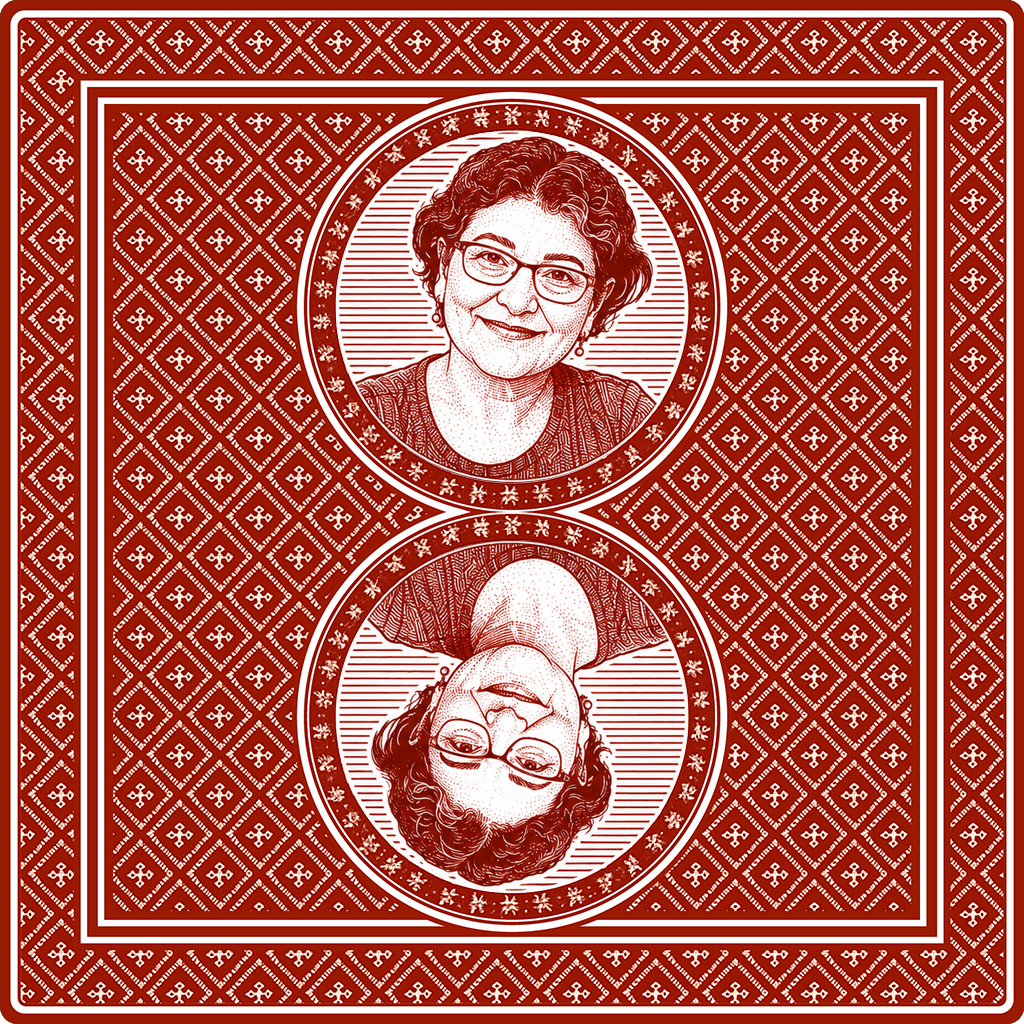
Ayşe Işçi
Emancipation through Education in the Belgian City of Ghent
Ayşe Işçi moved from the rural areas of Turkey to the Belgian city of Ghent in the late 1970s. She later became a key figure in inclusive education, language development, and the emancipation of the Turkish community in the city. More broadly, her story highlights the contributions of Turkish women to processes of emancipation within migrant communities.
Testimony
A Foreign Student in Ghent
Although Ayşe initially did not want to leave her career and studies in Turkey behind, she eventually decided to move to Ghent as a student.
"My husband had me enrolled at Ghent University in October 1978. The administrative formalities for a visa application took one week. When submitting the documents for the application at the Belgian consulate in Istanbul, I was told by the staff member that we would have to wait another week for approval. My father was with me and wanted to speak with the consul. We had a long conversation with the consul. I signed a student contract. The contract stated that I had to return to Turkey after my studies, but the consul said that as a graduate I could stay and work in Belgium without any problems if I wanted to. He also said that he could issue the visa immediately in exchange for fivehundred Belgian francs. I was a little surprised, but I gave him the money and immediately received the visa. At that moment, I realized that bribery was universal and that staying in Belgium was not really a problem for highly educated Turks. At the end of January 1979, I flew from Istanbul to Brussels. It was my first flight, and it was a difficult farewell to my father."
A Foreign Student in Ghent (original language)
Mijn echtgenoot liet me in oktober 1978 inschrijven aan de Universiteit Gent. De formaliteiten voor een visumaanvraag duurden een week. Bij het indienen van de documenten voor de aanvraag bij het Belgische consulaat in Istanbul hoorde ik van de medewerker dat we nog een week moesten wachten op de goedkeuring. Mijn vader was bij me en wilde met de consul spreken. We hebben een lang gesprek gehad met de consul. Ik tekende een contract als student. In het contract stond dat ik na mijn studie moest terugkeren naar Turkije, maar de consul zei dat ik als afgestudeerde zonder problemen in België kon verblijven en werken als ik dat wilde. Hij zei ook dat hij het visum meteen kon ondertekenen in ruil voor vijfhonderd Belgische frank. Ik was een beetje verbaasd, maar ik gaf hem het geld en kreeg meteen het visum. Ik besefte op dat moment dat omkoping universeel was en dat verblijf in België voor hoogopgeleide Turken niet zozeer een probleem was. Eind januari 1979 vloog ik van Istanbul naar Brussel. Ik vloog voor het eerst en het was een moeilijk afscheid van mijn vader.
A Challenging Start
After migrating to Belgium, Ayşe faced various challenges in her new environment.
"The house where the six of us lived, on Halvemaanstraat, was very small. On the ground floor, at the front, there was a small, damp room. At the back, there was a living room with a three-seater sofa and a separate armchair, a small cabinet, a coal stove, and a table for four people. The kitchen was no more than one and a half square meters, with only a sink and a stove. Through the kitchen, you could reach a small courtyard with a single toilet. Upstairs, there were only two bedrooms. The father and his brothers slept in one room, and the other room became ours. In our room, there was a sponge mattress and a blanket on the floor, without sheets. There was a wardrobe that was used by everyone in the house. Getting used to the environment and the domestic situation was not easy. The small space, and being the only woman among five men, was something I had to adapt to."
In our room, there was a sponge mattress and a blanket on the floor, without sheets. There was a wardrobe that was used by everyone in the house. Getting used to the environment and the domestic situation was not easy. The small space, and being the only woman among five men, were things I had to adapt to.
"I wanted to learn the language as quickly as possible and stand on my own two feet. I no longer wanted to be dependent on others, and (I wanted) to follow my classes effortlessly. In Turkey, I lived independently and was respected by those around me. Here, I was dependent on others and had to beg for respect. A teacher at school had told me that during the summer months I could take a free Dutch course organized by Ghent University for international students. I enrolled. In early July I started the Dutch course. There were students from different backgrounds, even an ophthalmologist from Turkey who had come here for specialist training at the University Hospital Ghent. He was married to a Belgian woman, named Vera. A few years later, she took part in the Turkish language courses that I gave to Belgian teachers. The Dutch course was taught by Professor De Keukelaere. He was very kind and understanding. He gave explanations in English and French, but I did not know any English and my French was not sufficient to understand everything. When he noticed that I did not understand something, he tried to explain it to me with gestures and body language. When I came home, I looked up the meaning of all the words from the course in the dictionary and made word lists that I could practice at every free moment, such as while cooking or on the bus to and from class. I found it difficult to take proper notes in class. One day, the physics teacher asked: ‘Who is willing to lend Ayşe their notes?’ I hadn’t expected it at all, but several hands went up. I was so happy."
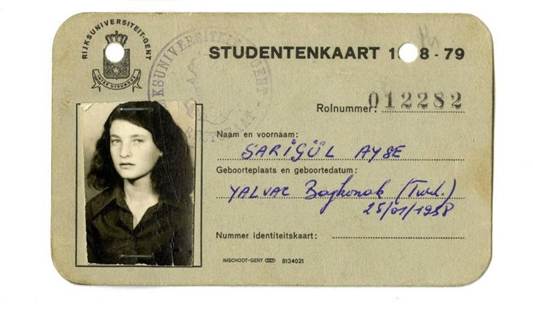
I wanted to learn the language as quickly as possible and stand on my own feet. I no longer wanted to be dependent on others, and (I wanted to) to follow my classes effortlessly. In Turkey, I lived independently and was respected by those around me. Here, I was dependent on others and had to beg for respect."
A Challenging Start
"Het huis waarin wij met zes personen verbleven in de Halvemaanstraat was heel erg klein. Beneden was aan de voorkant een klein vochtig kamertje. Aan de achterkant was een woonkamer met een driezitsbank en een losse fauteuil, een klein kastje, een kolenkachel en een tafel voor vier personen. Verder was er een keuken van hooguit anderhalve vierkante meter met alleen een spoelbak en een fornuis. Via de keuken kon je naar het kleine koertje met één toilet. Boven waren er slechts twee slaapkamers. De vader en zijn broers sliepen in de ene kamer, en de andere kamer was van ons. In onze kamer lag een sponsmatras en een deken op de grond, zonder lakens. Er stond een kledingkast die door iedereen in het huis werd gebruikt. Wennen aan de omgeving en de huiselijke situatie was niet gemakkelijk. De kleine ruimte en het feit dat ik de enige vrouw tussen vijf mannen was, maakte dat ik moest wennen."
In onze kamer lag een sponsmatras en een deken op de grond, zonder lakens. Er stond een kledingkast die door iedereen in het huis werd gebruikt. Wennen aan de omgeving en de huiselijke situatie was niet gemakkelijk. De kleine ruimte en het feit dat ik de enige vrouw tussen vijf mannen was, maakte dat ik moest wennen.
An Interesting Opportunity
One day, Ayşe’s husband came to her and told her that she had received a job offer to work as a teacher. This made her think…
"Starting in January 1981, I began teaching Turkish language and culture classes in two schools in Ghent where most of the pupils spoke Turkish. My first schools were the Municipal Primary School Sint Macharius and the Municipal Primary School in Patrijsstraat in the Muide district. Our team consisted of four Turkish teachers. We mainly taught in schools with high concentrations of migrant pupils. Each class (kindergarten and primary) received two hours of Turkish lessons per week. In the kindergarten classes, we supported Turkish-speaking children in Turkish, especially during circle time, where children shared their experiences with the group and made plans for the entire week. Sometimes we would take these children aside to practise school-related concepts in their own language. In the first and second years of primary education, we mainly taught environmental studies. We worked together with Flemish teachers in each school. The content of the Turkish lessons was aligned with the themes of the Flemish teachers. Turkish children first received the content in Turkish. In this way, the children were prepared for the lessons in Dutch."
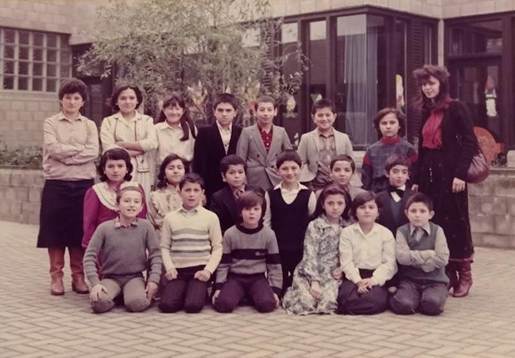
We worked together with Flemish teachers in each school. The content of the Turkish lessons was aligned with the themes of the Flemish teachers. Turkish children first received the content in Turkish. In this way, the children were prepared for the lessons in Dutch.
"Regular consultation with the Flemish teacher was crucial, but it was not always easy to obtain the themes of the Flemish teacher in advance."
An Interesting Opportunity (original language)
Vanaf januari 1981 begon ik de Turkse taal- en cultuurlessen te geven in twee Gentse scholen waar de meeste leerlingen Turks spraken. Mijn eerste scholen waren de Stedelijke Basisschool Sint Macharius en de Stedelijke Basisschool in de Patrijsstraat in de wijk Muide. Ons team Bi-cultureel Onderwijs binnen Pedagogisch Centrum bestond uit vier Turkse leerkrachten. We gaven vooral les in concentratiescholen. Elke klas (kleuter en lager) kreeg twee uur per week Turkse lessen. In de kleuterklassen ondersteunden we de Turkssprekende kinderen in het Turks, vooral tijdens het kringmoment, waar kinderen hun ervaringen met de groep deelden en een planning voor de hele week maakten. Soms namen we die kinderen even apart om de schoolse begrippen in hun eigen taal te oefenen. In het eerste en tweede leerjaar van het lager onderwijs gaven we vooral milieulessen. We werkten samen met de Vlaamse leerkrachten in elke school. De inhoud van de Turkse lessen werd afgestemd op de thema’s van de Vlaamse leerkrachten. Turkse kinderen kregen de inhoud eerst in het Turks. Op die manier werden de kinderen voorbereid op de lessen in het Nederlands.
We werkten samen met de Vlaamse leerkrachten in elke school. De inhoud van de Turkse lessen werd afgestemd op de thema’s van de Vlaamse leerkrachten. Turkse kinderen kregen de inhoud eerst in het Turks. Op die manier werden de kinderen voorbereid op de lessen in het Nederlands.
Regelmatig overleg met de Vlaamse leerkracht was cruciaal, maar het was niet altijd gemakkelijk om de thema’s van de Vlaamse leerkracht vooraf te krijgen.
Building Bridges for Turkish Women
Ayşe became actively involved in various social organizations, focusing in particular on supporting Turkish women in the community.
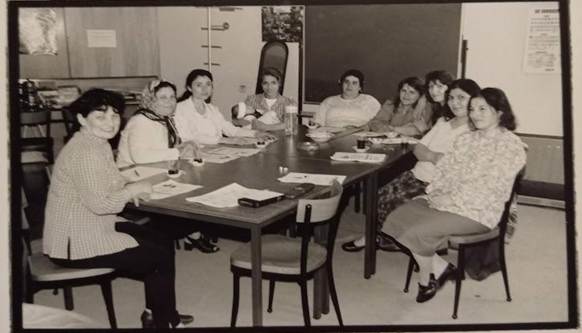
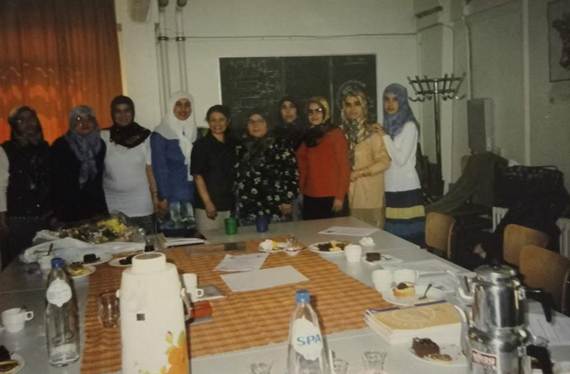
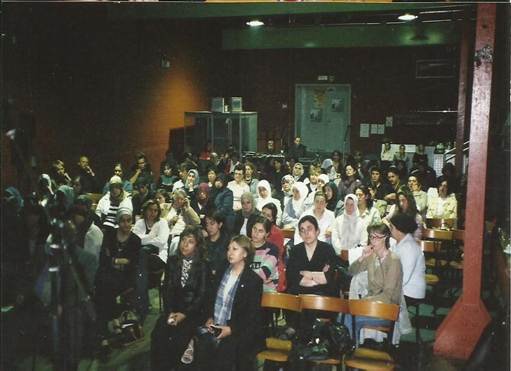
"With GTKB, we aimed on the one hand to promote the emancipation of migrant women and girls, and on the other hand to stimulate their participation in society. In addition to the language classes, we organized folk dance courses, driving lessons, sewing courses, aerobics and fitness classes, computer courses, and more. One important activity for the women was the weekly Kadınlar Kahvesi (Women’s Café), which was much more than just a café. It created a space where women from all backgrounds could freely discuss topics that interested them and that they wanted to learn more about. Speakers were invited to talk about topics they chose, such as health, nutrition, education, parenting, migration, elections, and leisure activities. Sometimes they went on outings together: cultural city visits, musical performances, to the cinema, or to a theatre show. We also organized large-scale cultural activities for the wider public, such as exhibitions with workshops, festivals, and performances by well-known artists. One of the most important projects realized by GTKB was the MOCEF (Mother–Child Education Foundation) project. Through this project, we supported Turkish mothers in raising their children in a multicultural context."
With GTKB, we aimed on the one hand to promote the emancipation of migrant women and girls, and on the other hand to stimulate their participation in society. In addition to the language classes, we organized folk dance courses, driving lessons, sewing courses, aerobics and fitness classes, computer courses, and more. One important activity for the women was the weekly Kadınlar Kahvesi (Women’s Café), which was much more than just a café. It created a space where women from all backgrounds could freely discuss topics that interested them and that they wanted to learn more about.
Building Bridges for Turkish Women (original language)
"Met GTKB wilden we enerzijds de emancipatie van migrantenvrouwen en meisjes bevorderen en anderzijds hun participatie in de samenleving stimuleren. Naast de taallessen organiseerden we volksdanscursussen, rijbewijslessen, naaicursussen, aerobiccen, fitnescursussen en computercursussen. Een belangrijke activiteit voor de vrouwen was het wekelijkse kadınlar kahvesi (vrouwencafé), dat meer dan een café was. Het creëerde een omgeving waarin vrouwen van alle hoeken vrijuit konden discussiëren over onderwerpen die hen interesseerden en waarover ze meer wilden leren. Er werden sprekers uitgenodigd rond thema’s die ze kozen; zoals gezondheid, voeding, onderwijs, opvoeding, migratie, verkiezingen en vrijetijdsbesteding. Ze gingen soms samen op uitstap; een cultureel stadbezoek, muzikale optredens, naar de film of een theatervoorstelling. We organiseerden ook grootschalige culturele activiteiten voor het brede publiek, zoals tentoonstellingen, workshops, feesten en optredens van bekende artiesten. Een van de belangrijkste projecten die GTKB realiseerde was het MOCEF-project (Mother Child Education Foundation). Met dat project ondersteunden we Turkse moeders in het opvoeden van hun kinderen in een multiculturele context."
Met GTKB wilden we enerzijds de emancipatie van migrantenvrouwen en meisjes bevorderen en anderzijds hun participatie in de samenleving stimuleren. Naast de taallessen organiseerden we volksdanscursussen, rijbewijslessen, naaicursussen, aerobiccen, fitnescursussen en computercursussen. Een belangrijke activiteit voor de vrouwen was het wekelijkse kadınlar kahvesi (vrouwencafé), dat meer dan een café was. Het creëerde een omgeving waarin vrouwen van alle hoeken vrijuit konden discussiëren over onderwerpen die hen interesseerden en waarover ze meer wilden leren.
Historical-Political Background
Turkish Migration to Belgium
Ayşe Işçi was born in the picturesque village of Bağkonak. Situated in the Turkish province of Isparta, the village was known for its many vineyards and grape farmers. 1 During the 1960s, extensive government reforms in agriculture caused many Turkish farmers, in Bağkonak and elsewhere in the country, to lose their jobs. 2Emigration from the Turkish countryside increased, as people moved to Turkey’s larger cities and to European destinations in search of better job prospects.
With its rapidly growing economy, Belgium proved to be a desirable destination for Turkish emigrants. The domestic workforce could no longer meet the rising labour demand in the mining, metal, construction, and textile industries. To fill this shortage on the labour market, Belgium signed bilateral recruitment agreements with several countries, including Turkey in 1964.
The Turkish Belgian recruitment agreement aimed to organize the migration of temporary unskilled labourers, so-called ‘guest workers’,between the two countries. While recruitment officially took place through the government agency Office du Travail et du Recrutement des Travailleurs (OTRT), Belgian companies also recruited workers through informal channels.
Arrangements between the Belgian and Turkish government did not limit themselves to questions of labour. The Turkish Ministry of Labour also sought to guarantee proper living conditions for Turkish migrants by facilitating the development of a social and cultural infrastructure in Belgium. In 1965, the Belgian and Turkish governments agreed on additional provisions, including the hiring of imams and Turkish teachers, the importation of Turkish newspapers and food products, and the introduction of cultural initiatives such as folk groups and theatre companies.3
Building a social infrastructure was important, as the agreement also allowed workers to bring their families with them, making family reunification a central element of migration from the very beginning. This family reunification policy was partly intended to counter the effects of declining birth rates in Belgium, but it also aimed to encourage guest workers to choose Belgium over alternative destinations which offered higher wages.4 Moreover, the presence of Turkish families ensured that the money earned by guest workers remained in the Belgian economy rather than being transferred to Turkey.
The oil crisis of 1973 dealt a severe blow to the Belgian economy. Many workers lost their jobs, which led to a halt in labour recruitment in 1974. Nevertheless, Turkish migration continued, particularly through family reunification. Undocumented workers could regularize their status until 31 December 1975 if they could demonstrate that they had been residing in the country continuously since 1974.5 As a result, the number of immigrants to Belgium rose sharply within a year, reaching a record level of new arrivals in 1974. By 1981, the Turkish population in Belgium had increased to approximately 63.600 individuals.6
Meanwhile, in Turkey, the 1970s were marked by political and economic instability. The oil crisis hit the country hard, and left-wing communist movements clashed violently with right-wing nationalist groups.7 In many cities, the turmoil escalated, and the Turkish army frequently intervened when the political balance seemed threatened.8 The coup in 1980, led to a state of emergency: the constitution was suspended, political parties and trade unions were banned, and tens of thousands of people were imprisoned.9 As a result, the first Turkish asylum seekers arrived in Belgium, most of them belonging to ethnic and religious minorities. The nature of Turkish migration movements to Belgium thus shifted from labour migration to predominantly refugee migration.
The 1970s in Ghent
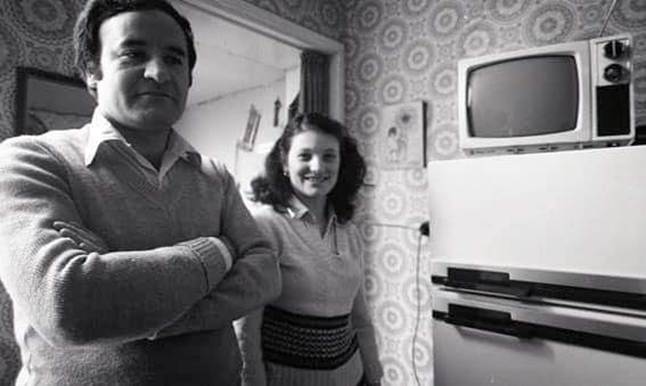
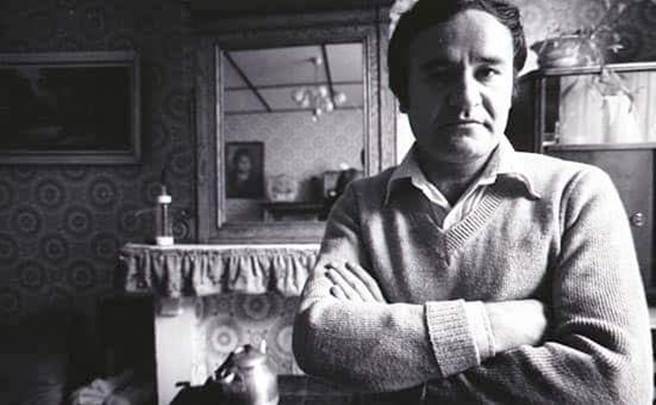
In 1979, Ayşe made her way to the city of Ghent.10 During this period, increased institutional involvement and social initiatives for migrants changed the living conditions of the Turkish community in Ghent. Having understood that guest workers would stay in Belgium more permanently, the government sought to tackle some of the main challenges faced by the Turkish community, including inadequate housing, language barriers, and education for children.11
Migrant associations also turned to the government to demand action to fight discrimination and improve their living conditions. Many Turks experienced discrimination in the housing market, forcing them to live in slums.12 This problem led several social workers, Turkish teachers, and progressive activists, to establish the non-profit organization Woonfonds (housing fund) in 1978.13 In 1979, the Demokratik Halk Kültür Derneği (Democratic People’s Culture Association, better known as DHKD) was established by members of the Woonfonds. Among the founders was Ayşe’s husband, İbrahim. The DHKD focused on the welfare of migrants and organized activities such as folk dancing and language courses, sports activities, and concerts. From the DHKD, numerous new associations also emerged, including the Gent Türk Kadınlar Birliği (GTKB), the first Turkish women’s association in Ghent, co-founded by Ayşe.
The late 1970s also saw improvements in the education of Turkish children in Ghent. Turkish children were mainly concentrated in three schools.14 More than half of the children had fallen behind in their education as a result of insufficient language proficiency. Through the efforts of social workers, a working group was established within the Pedagogisch Centrum (pedagogical centre) to focus on the challenges faced by children of migrant workers. In 1978, the Pedagogisch Centrum launched the ‘Bi-cultural Education’ project to offer Turkish language and cultural classes in primary schools. Within this framework, Fatma Pehlivan was appointed as the first bicultural teacher.15 She was soon supported by other Turkish teachers, including her later friend Ayşe Işçi in 1980.
Making of
How and why did you decide to deal with and present this specific story?
We first met Ayse through her involvement in a heritage project celebrating the 60th anniversary of the migrant organisation DHKD in Ghent. Having previously shared her story in heritage initiatives such as Tina De Gendt’s ‘Vierkante Kilometer’, Ayse was an experienced narrator. We were inspired by her impressive commitment to helping migrants in her career and her many volunteering activities. As such, Ayse was the first person we approached to contribute a testimony representing Belgian women labour migrants to the FeMig.Lab project, and we were thrilled when she accepted.
Ayse wanted to share her testimony because she found it important to commemorate the commitment of migrant women to building a more equal, just society. Therefore, we decided to focus on her many initiatives to support migrant women in navigating Belgian society.
How did you negotiate and decide about the methodologies and processes in acquiring/giving the testimony?
In February 2025, Ayse shared her life story with the FeMig.Lab network during a workshop held in Leuven. Following this presentation, we held multiple conversations to discuss her contribution to the FeMig.Lab platform. We tried to be available for all her questions and inquiries. We emphasised repeatedly that Ayse would remain in control of her narrative and could back out at any point if she did not want to contribute anymore.
After many conversations, we decided to record Ayse’s testimony at her house as she felt most comfortable there and could show additional materials such as photographs and documents. We agreed that after the recording, we would share the entire video tape and the selected clips with Ayse and would not publish anything without her explicit approval.
How and why did you decide to publicly present the story this way?
Respecting Ayse’s wish to record her story on video, we decided on a combined approach with video clips and written text. We felt that a video format would be most appealing to viewers, while also giving Ayse the opportunity to show additional materials that complemented her story. We recorded a video interview with Ayse which lasted a bit over one hour. From that footage, we selected four video clips for the website which we felt best represented Ayse’s relationship to her migration experience and her career. The questions we posed in the video are audible because we found it important to reveal how Ayse’s narrative was curated.
In addition to the video recording, Ayse wrote down her life story in Dutch, after which we collaborated to edit the text and translate it into English. A preliminary summary of Ayse’s written life story is available in the credits. The final version of both the video clips and the texts on this webpage were reviewed and approved by Ayse before being published.
What is the motivation and benefit for the person/community sharing the story? How did you negotiate this and take it into consideration?
Ayse emphasised she wanted to make visible migrants’ commitment to society through civil society associations and activism. As such, she considered the FeMig.Lab-website to be a platform on which she could highlight these important contributions. Beyond the FeMig.Lab-project, we agreed with Ayse to store her testimony at the Amsab-Institute for Social History (Amsab-ISG). We also put Ayse in contact with the Amsab-ISG to discuss potential collaboration on a heritage project she wished to initiate. Additionally, we offered Ayse a volunteering compensation to thank her for her time and effort.
What questions and challenges arose during the processes?
One obstacle was the language barrier with the wider FeMig.Lab team, as Ayse did not feel comfortable conversing in English. We accommodated this issue by translating all e-mails into Dutch and having a live translator during meetings.
Additionally, it was sometimes challenging to provide sufficient guidelines to support Ayse without imposing our vision of what the testimony should look like. Some initial confusion gradually disappeared as we built trust throughout the multiple meetings we had.
Credits
This testimony was created and curated by:
- Ayse Isçi, who generously shared her life story and provided input and feedback throughout the entire process;
- Thomas de Boever, who recorded the video interview with Ayse;
- Suzanne Elbers, who edited the video clips and the written testimony and provided the historical background;
- Sofie De Baere, who prepared and conducted the video interview and edited the written testimony;
We are grateful for the support of:
- the members of the Centrum voor de Geschiedenis van Migranten (CGM), who provided logistical and financial support;
- the FeMig.Lab working group, who provided generous feedback during each stage of the creation of the testimony;
- Anna-Elisabeth Hampel, who coordinated the FeMig.Lab-project, provided ample feedback and generous logistical support;
- Tina De Gendt, who put us into contact with Ayse and who brainstormed with us during the first phase of the project.
Read Ayse’s work
A preliminary summary of Ayse’s life story is available in Dutch via this link.
Ayse has also co-edited multiple books about her educational methods and her community work:
- Neirynck, Freek, Ayse Isçi, and Sylvain Van Labeke (eds.). Herinneringen. (Ghent: Federatie van Vooruitstrevende Turkse Verenigingen, 2002).
- Gielen, Sara, Ayse Isçi. Meertaligheid: een troef! Inspirerend werken met meertalige kinderen op school en in de buitenlandse opvang. (Sint-Niklaas: Abimo, 2015).
Transcript PDF here
Partner involved

Centre for the History of Migrants, CGM
The Centre for the History of Migrants (Centrum voor de Geschiedenis van Migranten, CGM) focuses on the history of migrants in the Netherlands and Flanders. The Centre aims to make an active contribution to identifying, collecting, and making accessible sources on the history of migrants. By bringing together various research and documentation centres, the CGM encourages the joint collection of sources and fundraising. In addition, the Centre brings together recent scholarly insights into the history of migration in the Netherlands and Flanders and makes them accessible to a broad audience.
The Centre for the History of Migrants is a collaborative initiative involving several research institutes: the Center for Migration Law at Radboud University Nijmegen (RUN), the International Institute of Social History (IISH) in Amsterdam, the Documentation and Research Centre for Religion, Culture and Society (KADOC) at KU Leuven, the Institute of Social History (Amsab-ISG) in Ghent, and Huygens-ING in Amsterdam.
Footnotes
- Ayşe Işçi, “Mijn Verhaal”. ↩︎
- T. De Gendt, Turkije aan de Leie: 50 jaar migratie in Gent, (Tielt 2014) 39. ↩︎
- M. Khoojinian, “L’Accueil et la Stabilisation des Travailleurs Immigrés Turcs en Belgique, 1963-1980,” Revue belge de philologie et d’histoire, Vol. 97:4 (2019), 1361–1387, 79-82, 95, 105-106. ↩︎
- De Gendt, Turkije aan de Leie, 29 ↩︎
- De Gendt, Turkije aan de Leie, 167-172. ↩︎
- Khoojinian, “L’Accueil et la Stabilisation des Travailleurs Immigrés Turcs en Belgique” 111. ↩︎
- Ibidem, 112. ↩︎
- A.K. Yesilkagit, “Militairen, islam en secularisme; identiteitspolitiek in Turkije,” Justitionele verkenningen: Turkije, Vol 26:8 (2000), 22-32, 26-28. ↩︎
- De Gendt, Turkije aan de Leie, 275 ↩︎
- Ayşe Işçi, “Mijn Verhaal”. ↩︎
- P. Verhaeghe, K. Van Der Bracht and B. Van de Putte, Migrant zkt toekomst: Gent op een keerpunt tussen oude en nieuwe migratie, (Antwerpen 2012) 34-35. ↩︎
- De Gendt, Turkije aan de Leie, 242-246. ↩︎
- Ibidem, 264-266. ↩︎
- Ibidem, 233-237. ↩︎
- Ibidem, 238-241. ↩︎