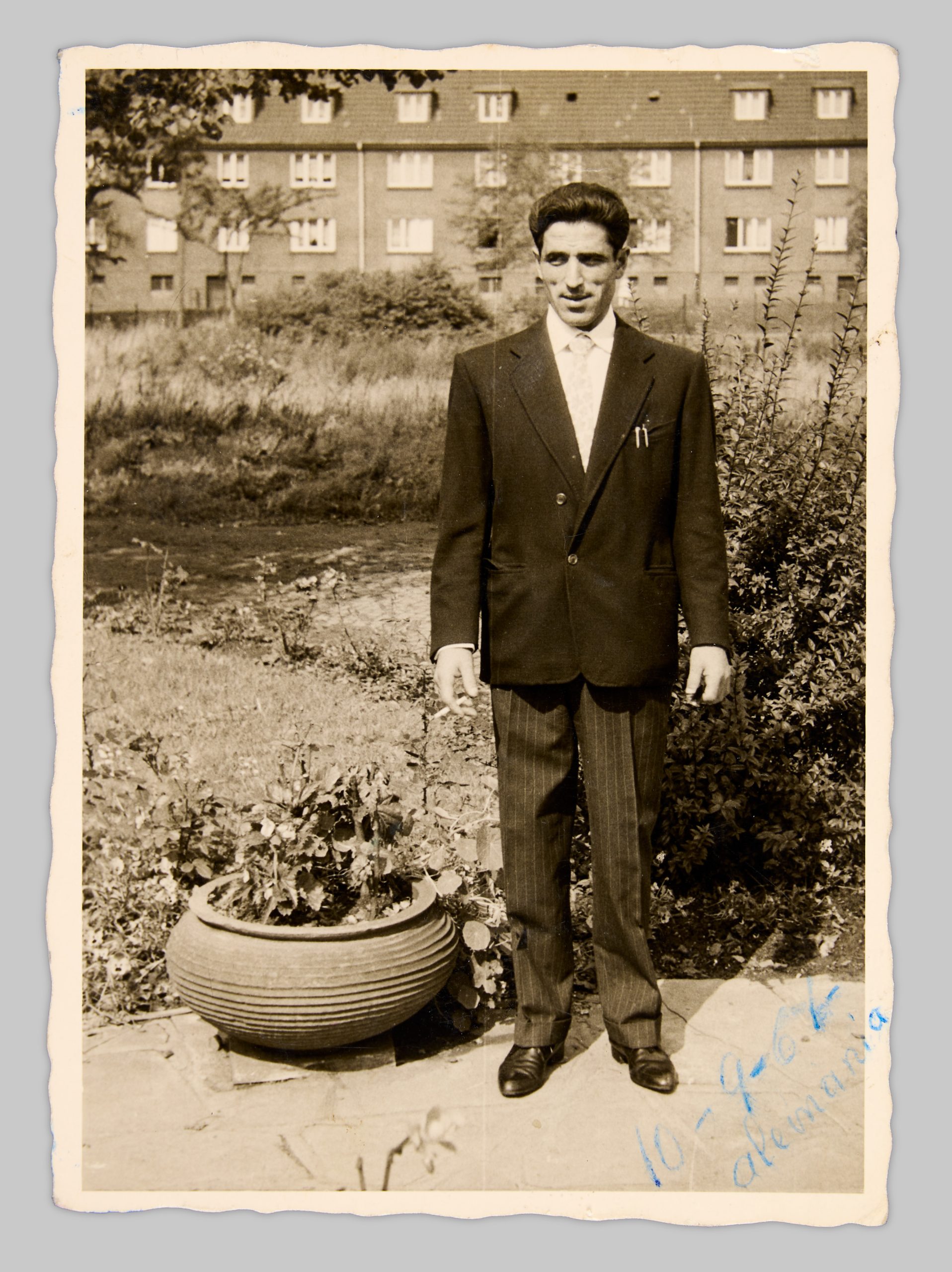
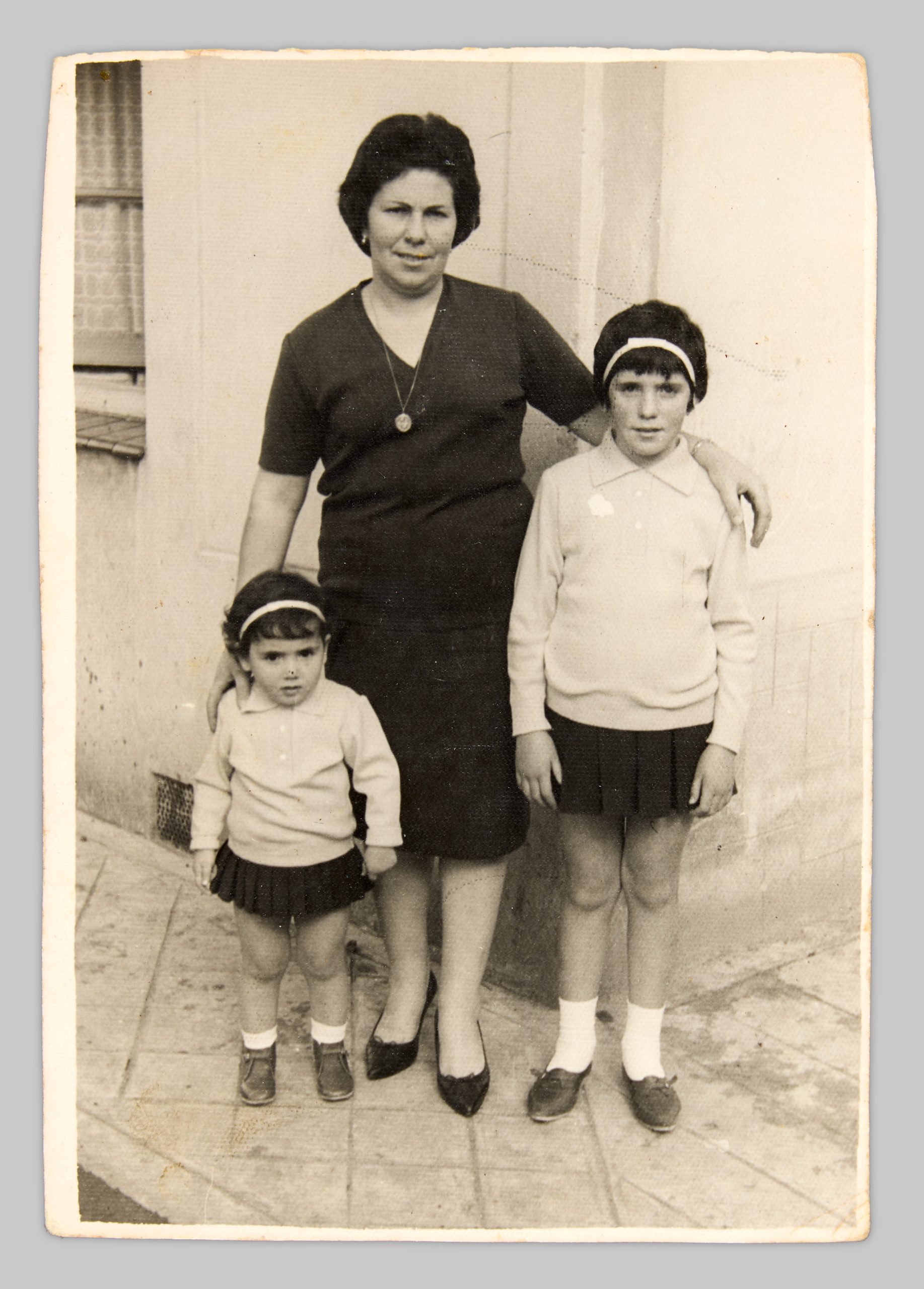
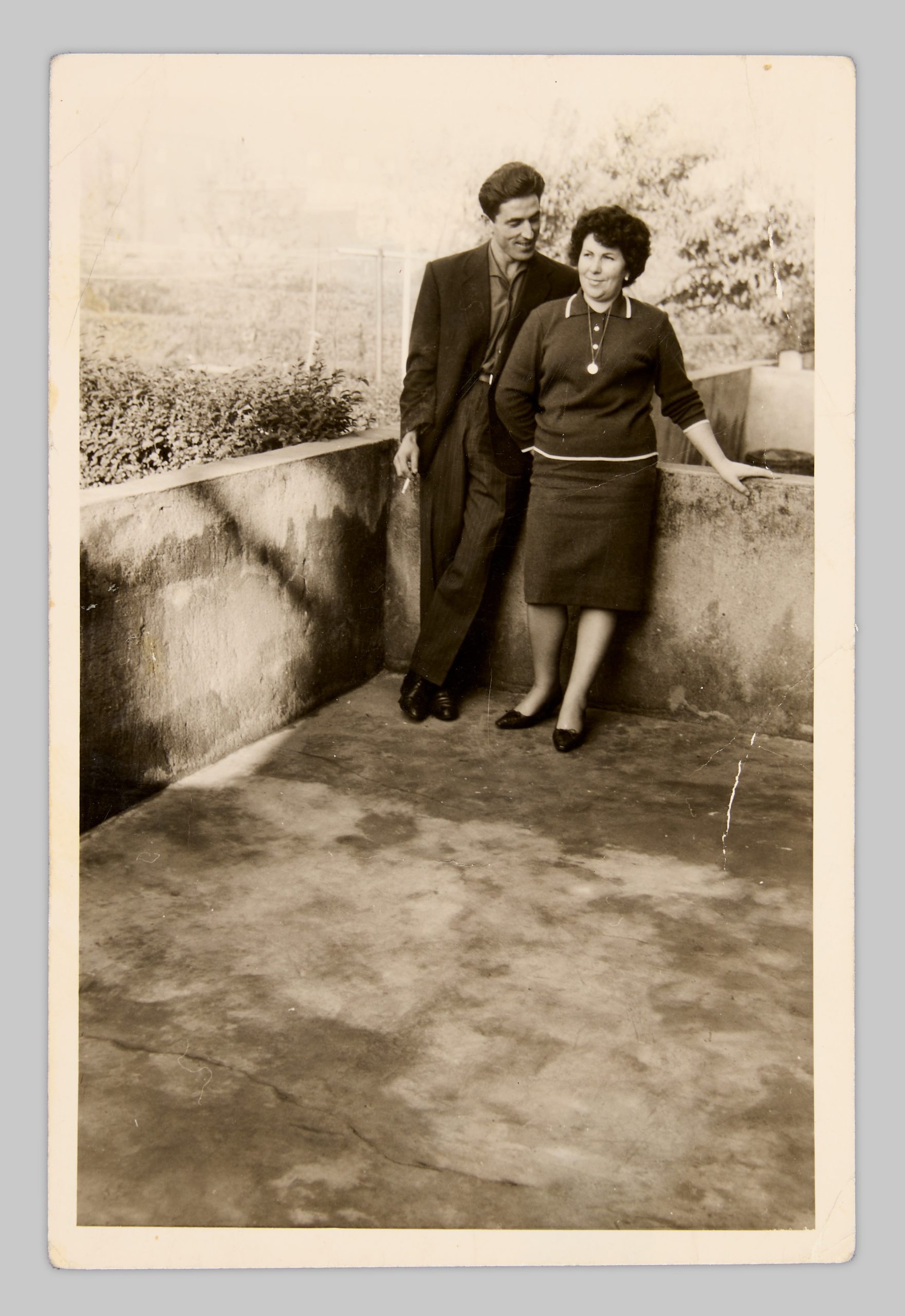
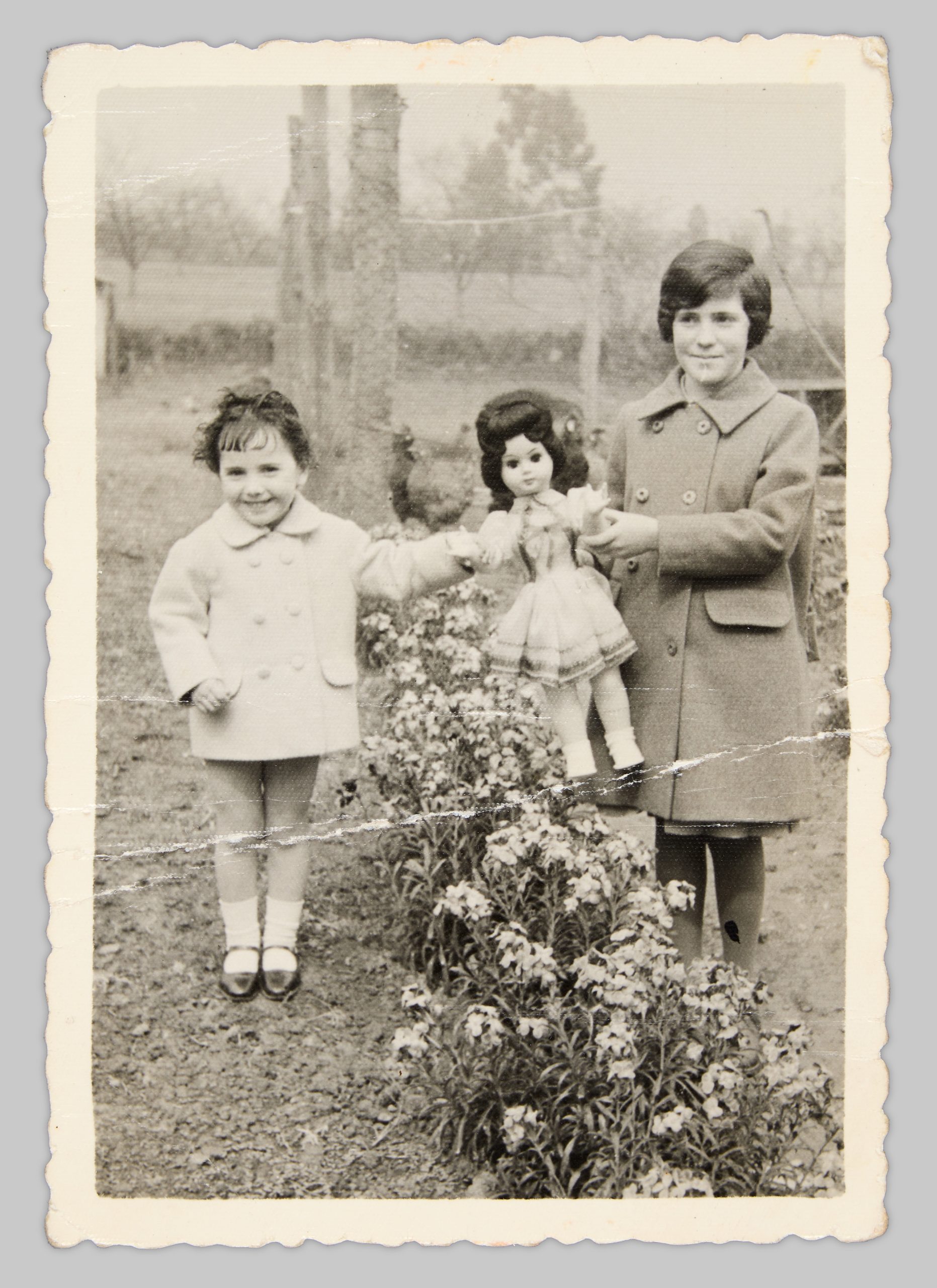
Over time, Ceferina gains confidence and stands up for herself at work. Through perseverance and support from others, she gradually builds a new life in Germany and creates a sense of belonging.
You are currently viewing a placeholder content from Vimeo. To access the actual content, click the button below. Please note that doing so will share data with third-party providers.
Arriving in Germany brings new challenges: unfamiliar language, hard work in the textile industry, and difficult living conditions. At the same time, Ceferina must cope with the painful separation from her children.
You are currently viewing a placeholder content from Vimeo. To access the actual content, click the button below. Please note that doing so will share data with third-party providers.
Ceferina García García grows up in Asturias, where economic hardship and uncertainty shape everyday life. When her husband falls ill and the family faces growing financial pressure, the decision to leave Spain becomes inevitable.
You are currently viewing a placeholder content from Vimeo. To access the actual content, click the button below. Please note that doing so will share data with third-party providers.
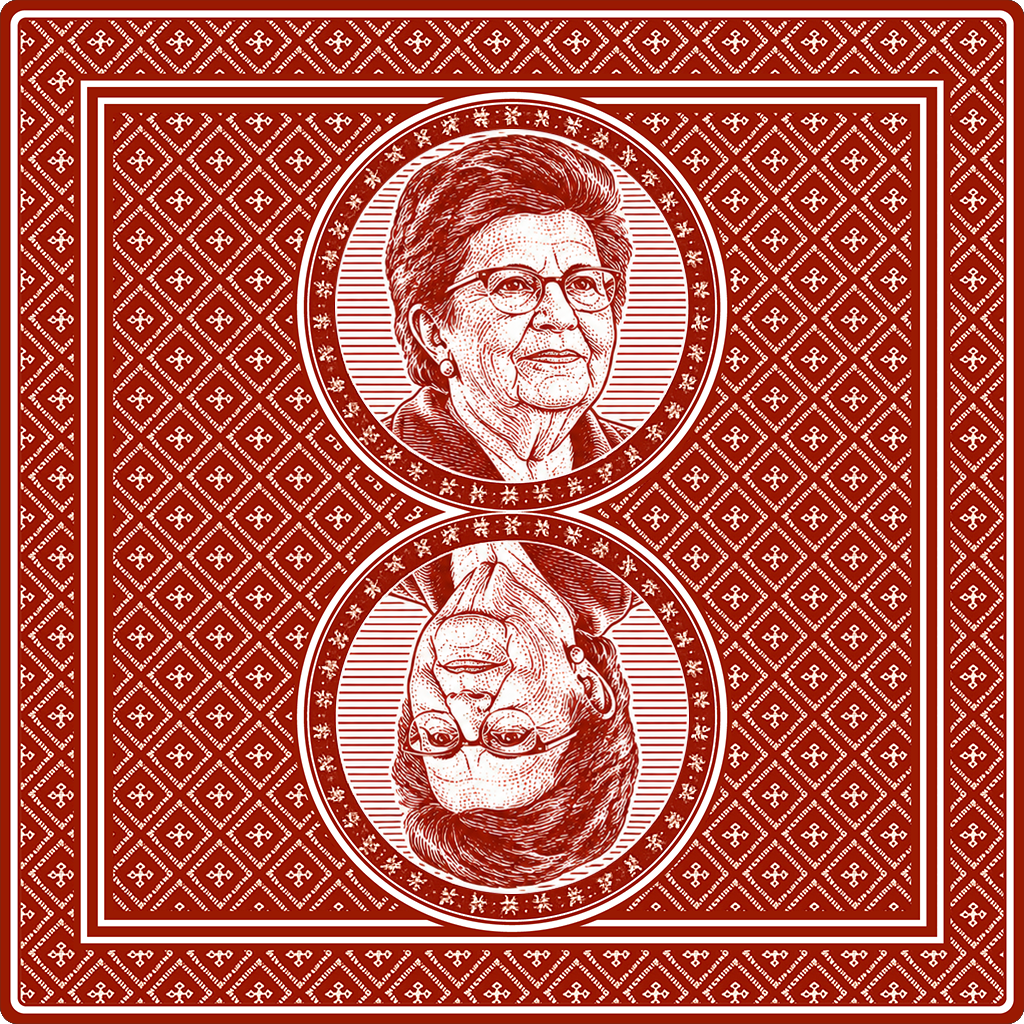
With these words, Ceferina García García describes her experiences as a worker in Germany. In the early 1960s, she moved from Spain to the Ruhr region, following her husband in the context of labour migration in order to help support the family.
She speaks about the challenges of those first years: arriving in a foreign country, working hard in the textile industry, living in cramped conditions, and being separated from her children. At the same time, she reflects on resilience and solidarity, and on how she gradually built a new life.
Ceferina García García grows up in Asturias, where economic hardship and uncertainty shape everyday life. When her husband falls ill and the family faces growing financial pressure, the decision to leave Spain becomes inevitable.
You are currently viewing a placeholder content from Vimeo. To access the actual content, click the button below. Please note that doing so will share data with third-party providers.
Arriving in Germany brings new challenges: unfamiliar language, hard work in the textile industry, and difficult living conditions. At the same time, Ceferina must cope with the painful separation from her children.
You are currently viewing a placeholder content from Vimeo. To access the actual content, click the button below. Please note that doing so will share data with third-party providers.
Over time, Ceferina gains confidence and stands up for herself at work. Through perseverance and support from others, she gradually builds a new life in Germany and creates a sense of belonging.
You are currently viewing a placeholder content from Vimeo. To access the actual content, click the button below. Please note that doing so will share data with third-party providers.
For a full transcript of this video interview, please see the PDF linked below in the credits.
Historical-Political Background
Ovidio Fernández García, born in 1927, initially worked as a hewer in the La Camocha coal mine in Gijón, a mining town in the northern Spanish region of Asturias. After being diagnosed with silicosis, he was no longer able to work underground. Faced with debts from the construction of his house, he decided to migrate to the Ruhr region in 1961. In Essen, he first found work at an ironworks and later at GWB Gelenkwellenbau, where he was employed as a lathe operator until his retirement. He died in Essen on 23 May 2013.
His migration was part of the large wave of Spanish labour migration to West Germany during the 1960s. Following the bilateral recruitment agreement of 1960, the Ruhr region, West Germany’s centre of coal mining and heavy industry, became a major destination for Spanish workers recruited to address severe labour shortages during the economic boom. At the same time, limited economic opportunities and political repression under the Franco dictatorship encouraged many Spaniards to seek work abroad, often intending to return after a few years.
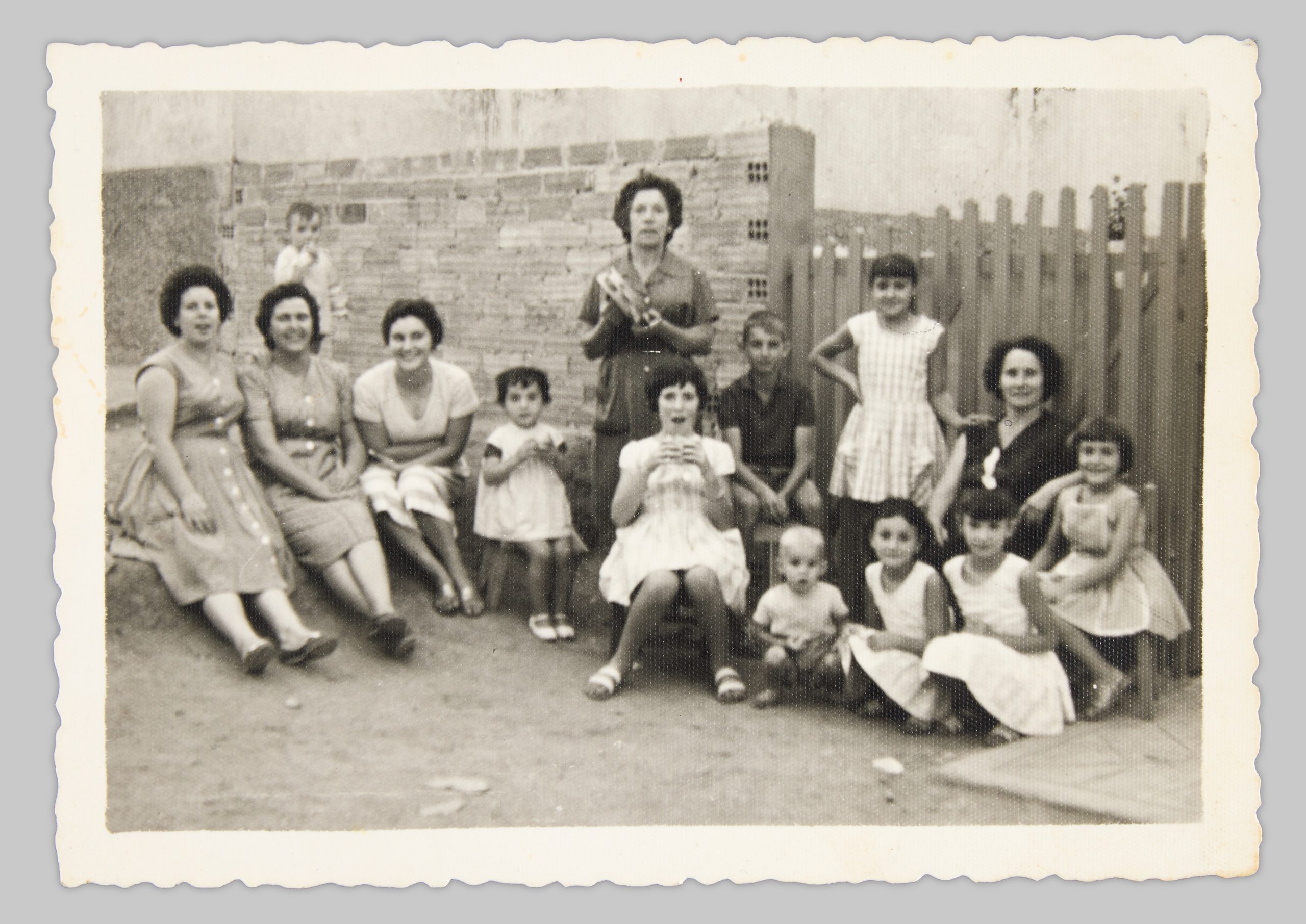
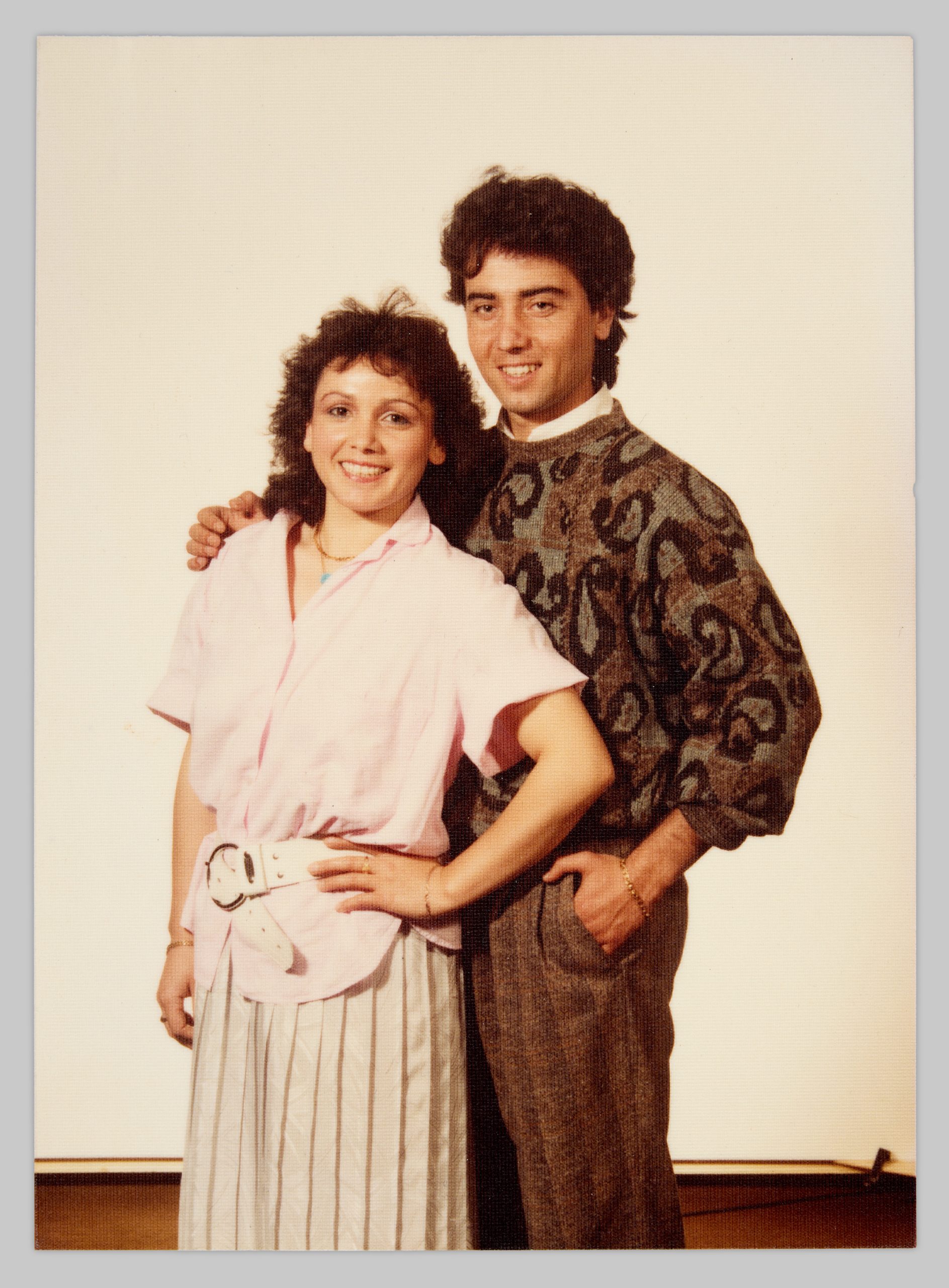
His wife, Ceferina García García, was born on 8 March 1931 in San Julián de Bimenes (Asturias). Born out of wedlock, she grew up under difficult circumstances. At the age of nine, she lost her mother and was raised by her grandmother and aunts. Although she enjoyed attending school, this was not always possible for her, as her help was needed in agricultural work, especially during harvest time. Her childhood was shaped by the Spanish Civil War and the hardships of the post-war years.
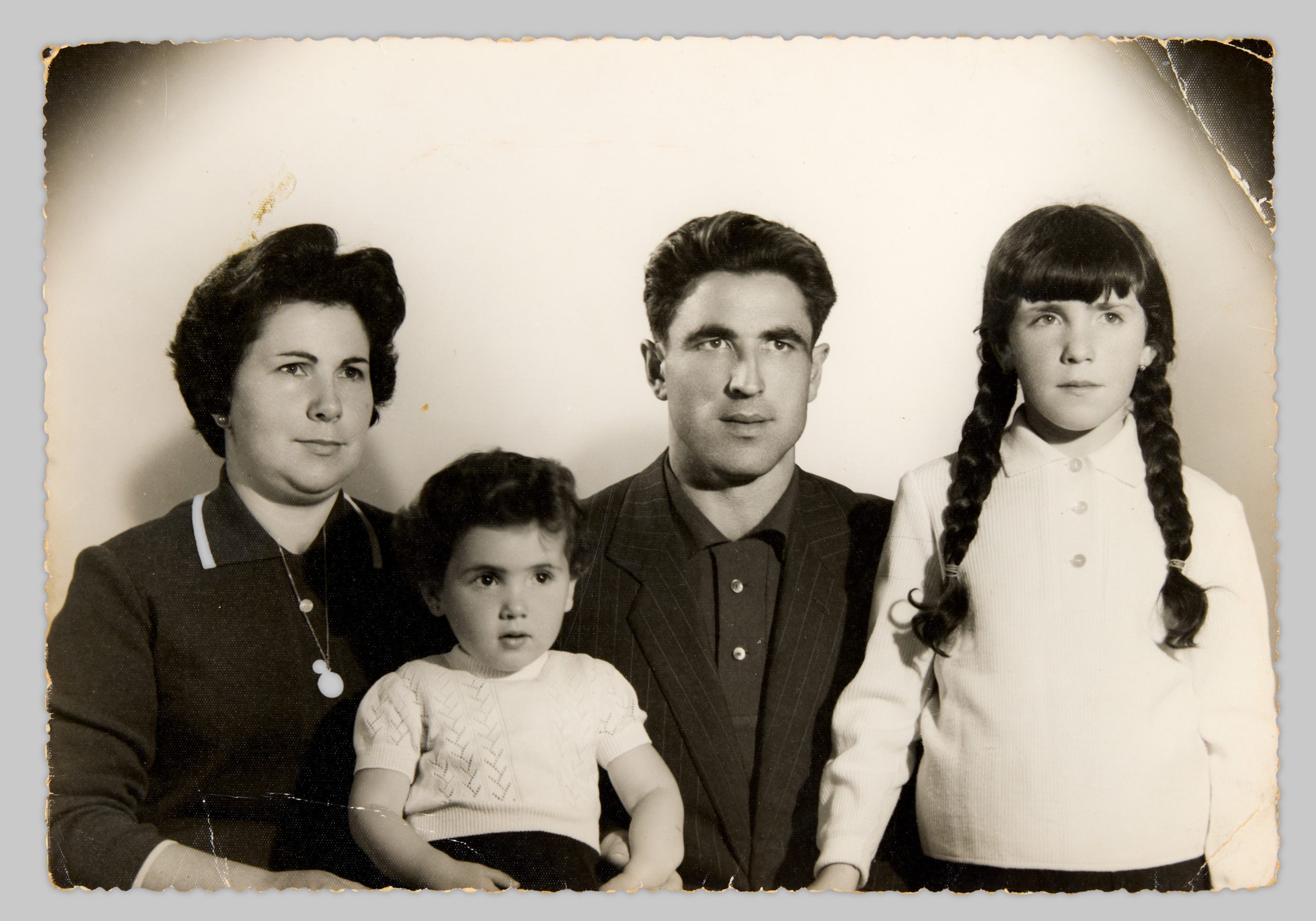
Ovidio and Ceferina were married on 20 January 1951 in San Julián de Bimenes. Their first daughter, Irene, was born the same year, followed by their second daughter, Cristina, in 1959 in La Camocha near Gijón. In 1960, the family purchased a plot of land and began building their own house.
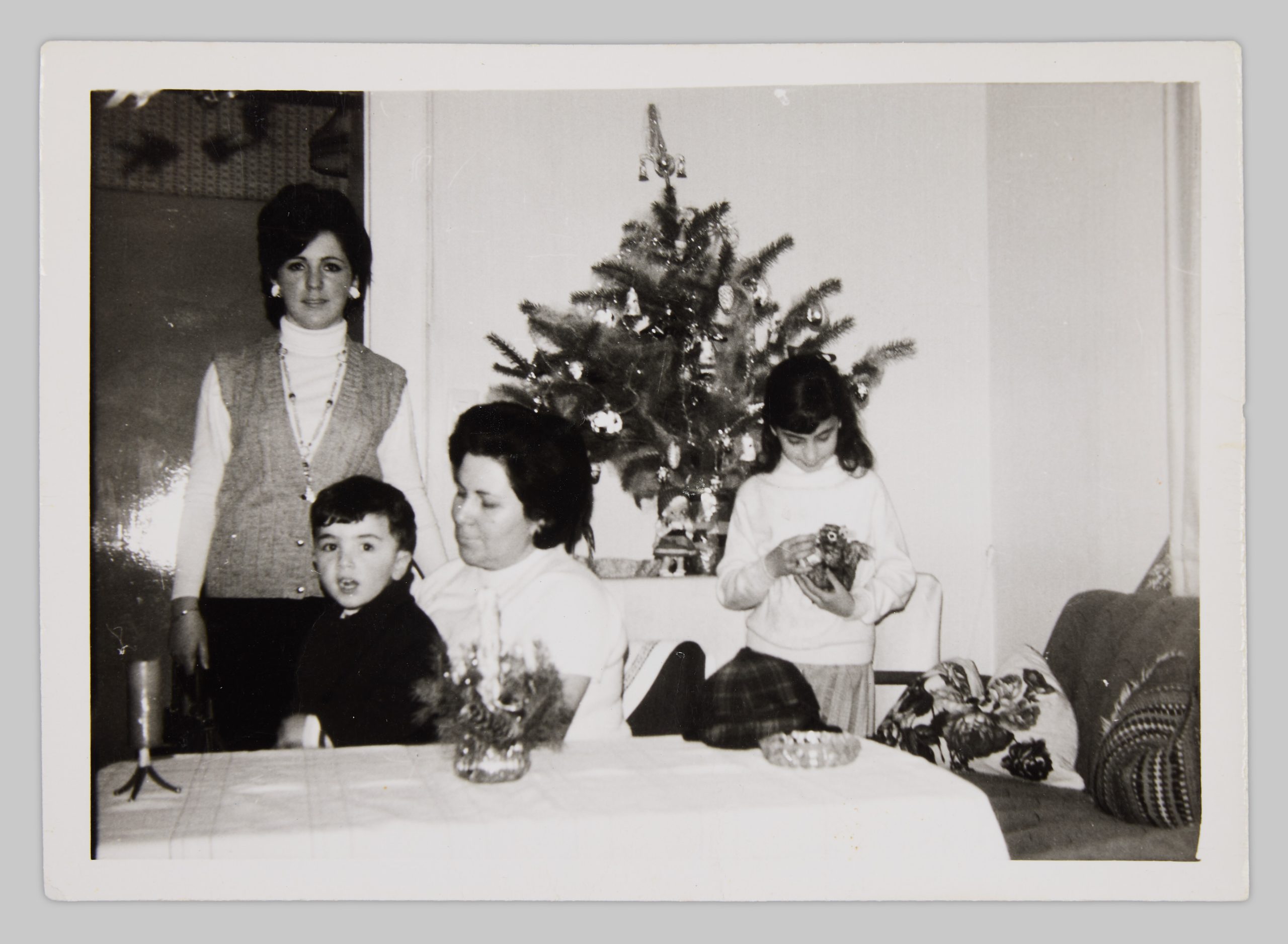
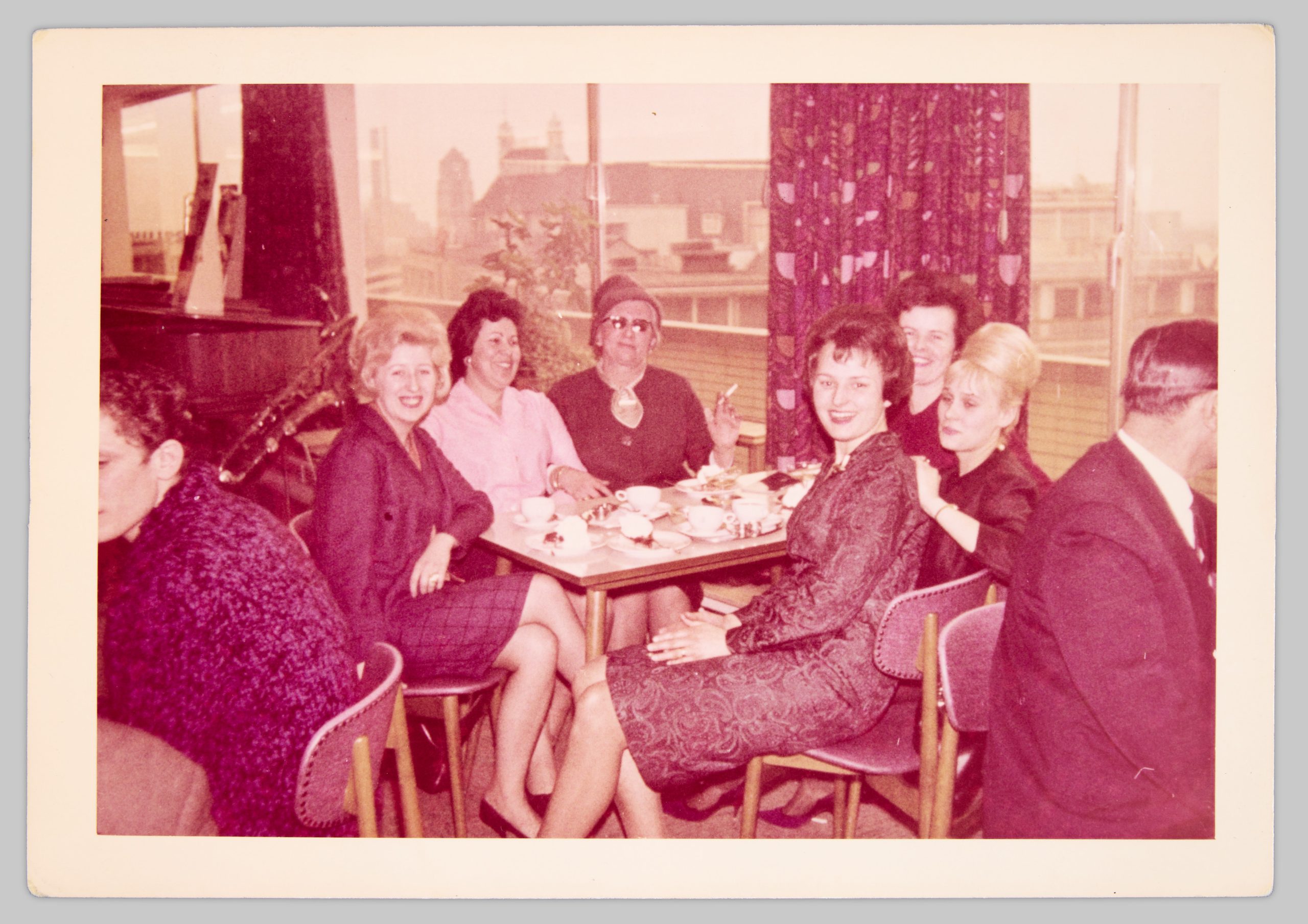
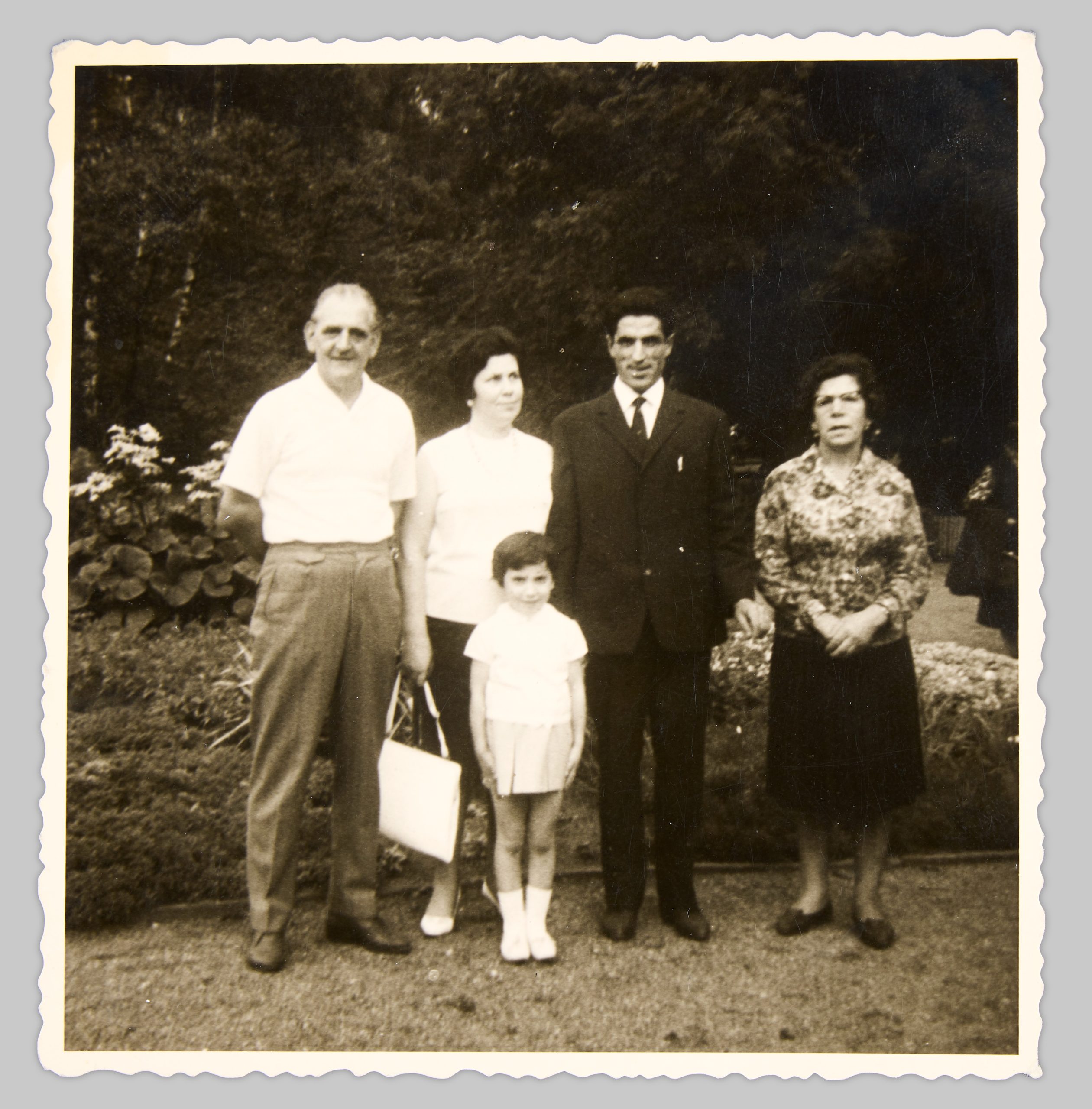
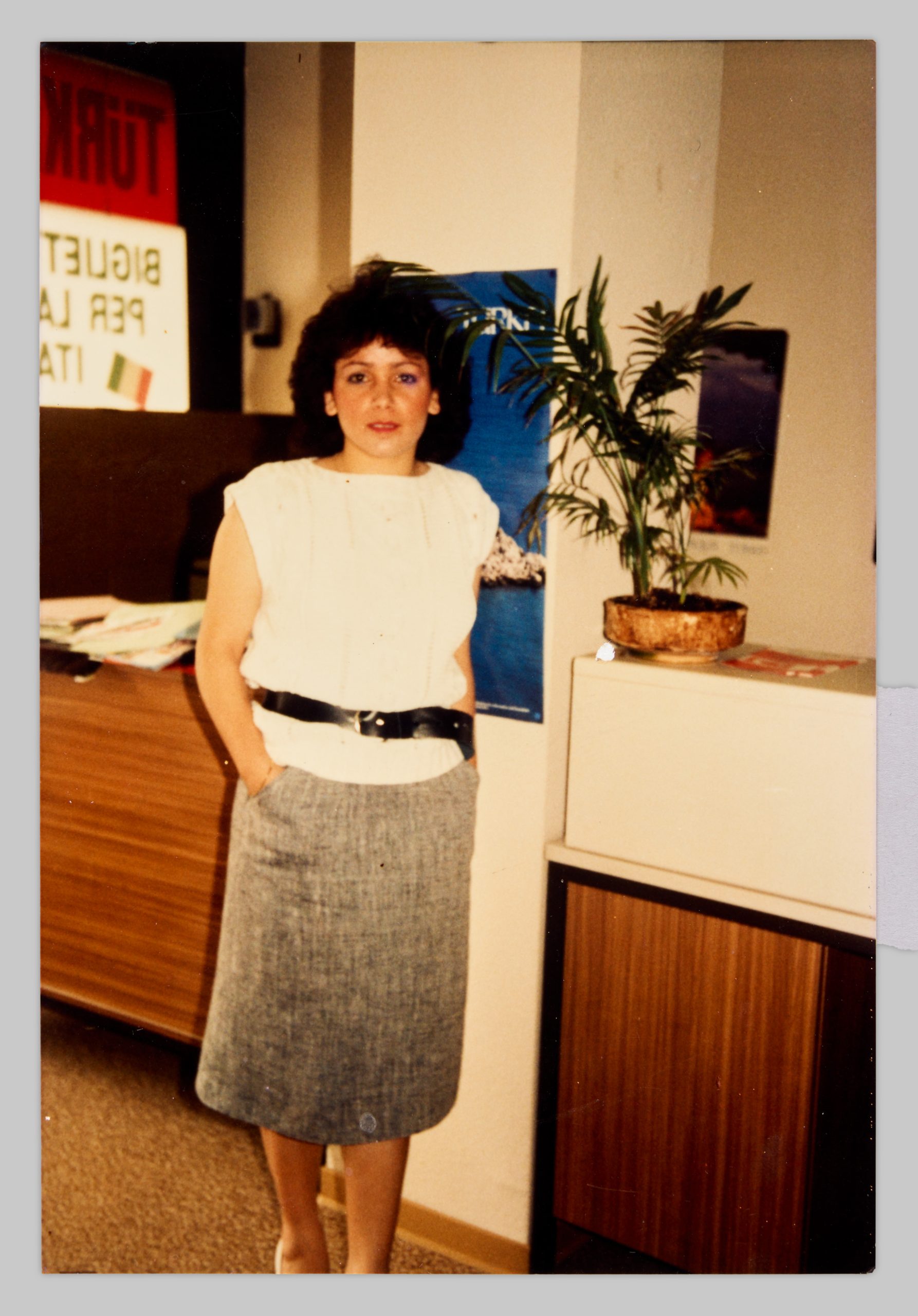
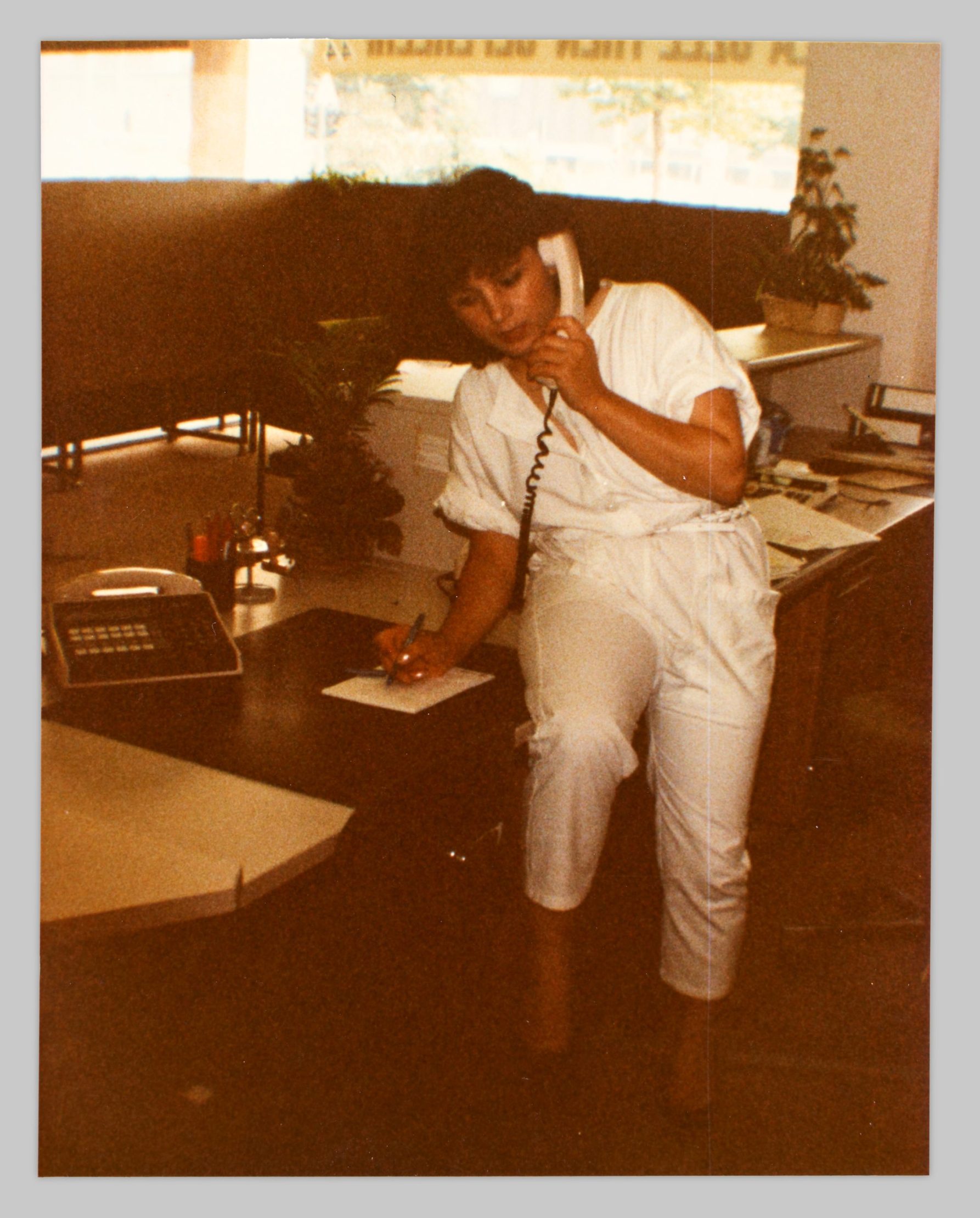
In 1962,one year after her husband, Ceferina travelled to Germany by train with a friend. She initially left her two daughters with relatives in the family’s newly built house in Spain. In Essen, she worked as a seamstress in various companies. When it became clear that a quick return to Spain would not be possible, Ovidio and Ceferina brought their daughters to Germany. While Irene stayed with her parents in Essen, Cristina temporarily returned to Spain due to illness.
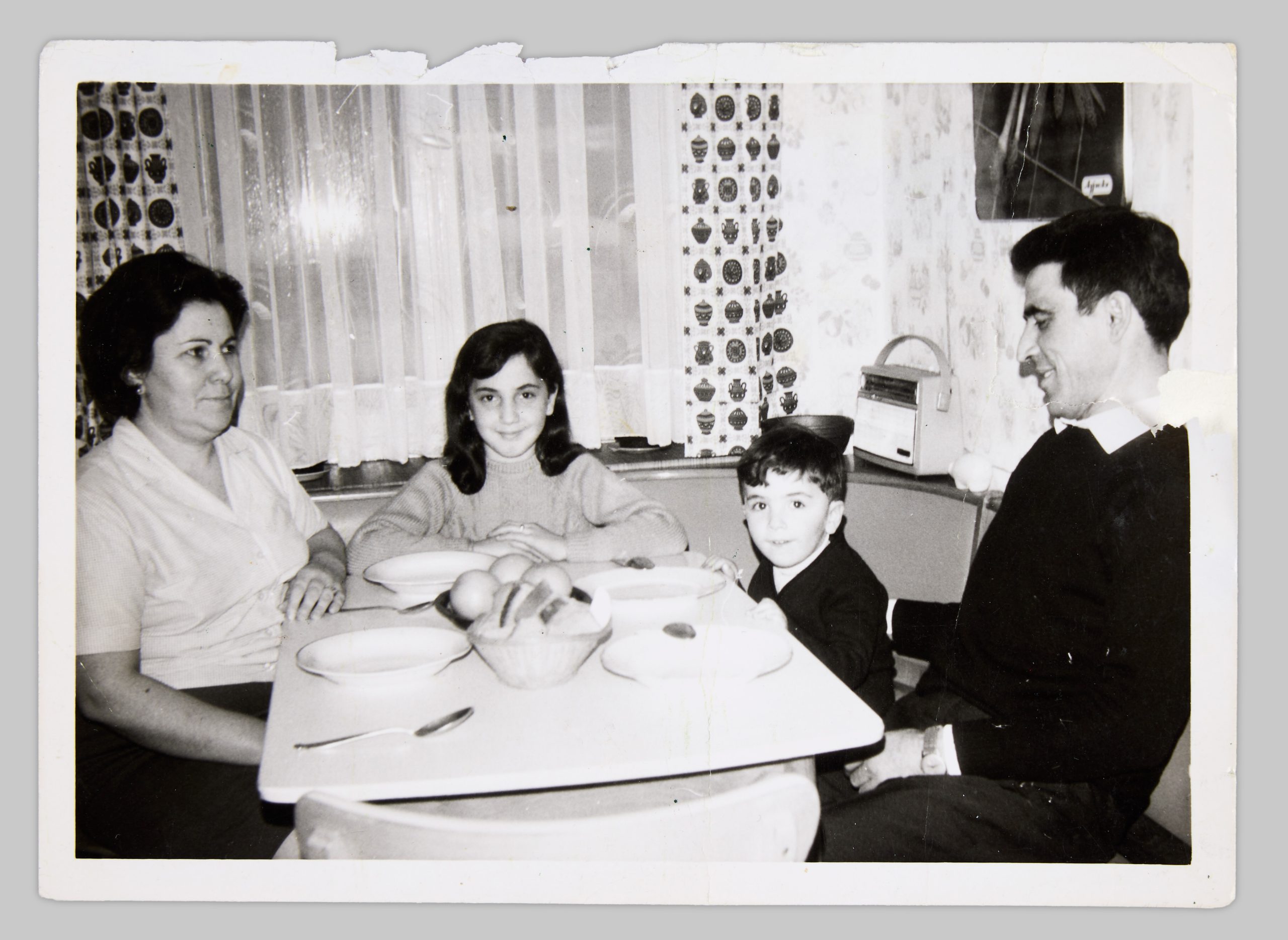
In April 1966, their son Ovidio was born at the Knappschaftskrankenhaus in Essen-Steele. Shortly afterward, the family travelled together to Spain for the younger daughter’s First Communion. They then returned to Essen, where, for the first time since Ovidio’s birth, the entire family lived together again, but only for a limited period.
After another stay in Spain, the older daughter Irene decided to return permanently to Gijón, where she found employment. Once again, the family was separated.
Ceferina García García continued working in various tailoring shops as well as in cleaning jobs, including for the Diocese of Essen. In addition to her work in textile factories and retail, she also took on private sewing work for neighbours and acquaintances.
Ceferina initially experienced unequal treatment in the workplace. Foreign workers were often assigned lower wage categories than their German colleagues despite performing the same tasks. These inequalities reflected broader structural practices within the West German labour market, where migrant workers frequently had limited opportunities to challenge their classification or negotiate better wages. Ceferina herself recalled receiving substantially lower pay than her German coworkers despite doing the same work. Only after raising the issue with management did she receive equal pay.
From the late 1980s onward, during retirement, the couple lived alternately in Spain and Germany. While Irene remained based in Gijón, Cristina and her brother Ovidio continued to live in Essen.
The family’s story is representative of many biographies of labour migrants, whose lives were shaped by work, separation, and the desire to create a better future for their families.
How and why did you decide to deal with and present this specific story?
On the occasion of the 60th anniversary of the recruitment agreement between Bonn and Ankara, the Ruhr Museum presented the exhibition “We Are from Here. Turkish-German Life 1990. Photographs by Ergun Çağatay” (2021), as well as “Mustafa’s Dream. Photographs by Henning Christoph on Turkish Life in Germany 1977–1989” (2021-2022).
Both exhibitions combined historical insights with personal stories and aimed to bring greater attention to the long-overlooked experiences of labour migration in Germany, while also encouraging dialogue between generations and communities.
The accompanying programs were also deliberately designed to be participatory. The decision to tell migration history not only from an institutional perspective, but also to actively involve the communities concerned, was based on the idea of making diverse experiences visible and sharing interpretive authority.
In this context, the Ruhr Museum is involved in the European project FeMig.Lab. Through its own interview project, it specifically focuses on the life stories of migrant women in order to raise the profile of female migration experiences, which have historically been less well documented. The focus is on intergenerational experiences of women from Spain, Greece, and Turkey. Its goal is to connect individual perspectives with broader historical and political contexts, offering a more nuanced view of female labour migration.
How did you negotiate and decide about the methodologies and processes in acquiring/giving the testimony?
The project is designed and carried out by the Ruhr Museum (Meltem Küçükyılmaz) in cooperation with the Spanischen Elternverein Essen e. V. (Cristina Fernández-Moser), HistAgoge | Geschichtsforschung (Spiridon Papaioannou), and the mitMach Agentur (Mustafa Mert). The questionnaire and thematic focus areas were developed jointly, and the selection of interview partners was also evaluated together. This participatory approach builds on the Ruhr Museum’s previous work.
In terms of content, the project focuses on two distinct generations of migration: women from the so-called recruitment agreement generation and a more recent wave of migrant women and expatriates who have arrived in Germany since around 2011. The selected interviewees are Anastasia Walden, Ceferina García García, and Neriman Yılmaz, representing the recruitment agreement generation, and Estre, Çağla Diner, and Maria Papadopoulou, representing the more recent wave. With two women from Spain, two from Greece, and two from Turkey, the project combines an intergenerational perspective with a comparative, transnational approach. Since all participants responded to the same set of interview questions, their experiences can be compared systematically. By examining their opportunities, challenges, legal status, employment experiences, and social acceptance in Germany, the project aims to highlight both continuities and changes in women’s migration experiences over time and across national contexts.
Prior to the interviews, preliminary personal conversations took place, during which the goals, process, and expectations were discussed transparently. The interviewees were actively involved and had a say in deciding which topics and aspects of their stories they wanted to share. The interviews were conducted in a safe environment within the museum and, where desired, in the participants’ native language in order to build trust and reduce barriers.
Sensitive topics were handled in close coordination with the participants; content could be omitted, anonymized, or adapted at any time.
How and why did you decide to publicly present the story this way?
For the presentation, a format was deliberately chosen that preserves the personal character of the stories and allows the women’s voices to be experienced directly. The combination of interviews, images, and personal materials creates a multi-layered approach that makes individual experiences visible and relatable.
The interviewees were involved in decisions regarding publication and were able to have a say in what content would be included and how their stories would be presented. This ensured that the representation reflected their perspectives and respected their autonomy.
At the same time, the project sees itself as a curatorial process that is always shaped by selection and classification. This responsibility is consciously reflected upon in order to present the stories in a respectful and context-sensitive way. In doing so, the project acknowledges existing power dynamics and seeks to reduce barriers through participation and transparency.
Particular emphasis is placed on protecting the participants: issues relating to data protection and publication are communicated clearly and agreed upon jointly. The aim is also to make the content as accessible as possible, especially for the communities involved, and to ensure open access to these stories.
What is the motivation and benefit for the person/community sharing the story? How did you negotiate this and take it into consideration?
Throughout the project, care was taken to ensure that both the cooperating partners and the interviewees benefited from their involvement. The cooperation partners received a fee for their conceptual and organizational contributions, recognizing their expertise and commitment. The interviewees were offered an expense allowance to acknowledge their time, their willingness to participate, and their openness in sharing personal stories.
In addition, the participating associations and institutions benefit from long-term networking with the museum, as well as from the opportunity to make their own perspectives and topics visible and to contribute them to cultural processes. For the interviewees, alongside the financial recognition, the main benefit lies in the visibility of their life stories.
Overall, the project aims to foster a partnership of equals that encompasses both intangible and tangible forms of recognition and strengthens sustainable relationships between institutions and communities.
What questions and challenges arose during the processes?
A key challenge in the project was multilingualism, which is also a major strength. The linguistic diversity of the interviewees reflects their different migration experiences and helped create a trusting and comfortable atmosphere during the conversations. At the same time, it presented practical challenges, particularly in terms of translation and subtitling. This process required a sensitive approach in order to convey meanings as accurately as possible. Thanks to close collaboration with the project partners, this process was successfully carried out as they contributed both their linguistic and cultural expertise.
The texts were created with the involvement of Cristina Fernández-Moser, the daughter of Ceferina García García.
We would like to extend our heartfelt thanks to Ceferina García García for sharing her story and memories with us. Together with five other interviewees from Spain, Greece, and Turkey, she contributes to an intergenerational and transnational interview project exploring women’s migration experiences in Germany.
The conception and implementation of the interview project were carried out by the Ruhr Museum (Meltem Küçükyılmaz) in cooperation with Spanischer Elternverein Essen e. V. (Cristina Fernández-Moser), HistAgoge | Geschichtsforschung (Spiridon Papaioannou), and mitMach Agentur (Mustafa Mert).
An orange-glowing staircase and 6,000 exhibits in a spectacular industrial setting: The Ruhr Museum’s permanent exhibition at the Zollverein UNESCO World Heritage Site shows the fascinating natural and cultural history of one of the world’s largest industrial regions.
The Regional Museum of the Ruhr Area shows in its permanent exhibition the entire natural and cultural history of the region from the formation of coal over 300 million years ago to today’s structural change to the Ruhr metropolis. Visitors follow the former path of the coal and descend deeper and deeper from the present into the history of the Ruhr region. Over three levels, they pass through windowless bunkers, huge industrial machines, raw concrete walls and conveyor belts. In between, 6,000 exhibits show in often fascinating detail how a formerly agricultural region developed into Europe’s largest coal and steel production area and then became the Metropole Ruhr.
This interview tells the story of Neriman Yılmaz, who was born in Turkey in 1961 and came to Germany as a teenager. The first months were marked by disappointment and homesickness, yet she chose to stay and build a new life.
Without speaking the language, she found her way into the world of work and learned German step by step through everyday life. Over the years, she faced numerous challenges, started a family, and forged her own path, driven by a strong desire for independence and self-determination.
Today, she looks back on her life with pride, especially on having provided her children with a secure future.
Neriman Yılmaz Alp grows up in a village in Turkey. Her life is shaped by family structures, communal work, and rural living conditions. At first, there are no plans for her to move to Germany. It is only her father’s decision that leads to her coming to Germany as a young woman.
You are currently viewing a placeholder content from Vimeo. To access the actual content, click the button below. Please note that doing so will share data with third-party providers.
In Germany, she begins her life without any knowledge of the language. She finds her first jobs and acquires the language through everyday life. Her subsequent life is shaped by continuous work, family responsibilities, and challenges within both professional and social contexts, including discrimination as a woman and a migrant.
You are currently viewing a placeholder content from Vimeo. To access the actual content, click the button below. Please note that doing so will share data with third-party providers.
Over the years, she builds a life for herself in Germany and finds her place in society. At the same time, she has maintained her connection to Turkey. Her biography represents a life lived between two cultural contexts.
You are currently viewing a placeholder content from Vimeo. To access the actual content, click the button below. Please note that doing so will share data with third-party providers.
For a full transcript of this video interview, please see the PDF linked below in the credits.
Historical-Political Background
The life story of Neriman Yılmaz Alp is closely intertwined with the history of so-called guest workers in Germany. Following the 1961 recruitment agreement between West Germany and Turkey, hundreds of thousands of people came to Germany as workers – most of them with the expectation of staying only temporarily.
In Neriman’s family, it was her father who went to Germany first, while the rest of the family remained in Turkey. They later joined him through family reunification, a turning point that marked a profound change for many families. For a young person like Neriman, this meant not just moving countries, but starting over in an unfamiliar environment.
Since so-called guest worker programs were originally intended to be temporary, structures for social participation were lacking for a long time. Many people arrived without any knowledge of the language and had to carve out their place in society on their own. Neriman’s experience reflects this: she initially managed her everyday life without speaking German and gradually worked her way into the labour market step by step.
The feelings of uncertainty, disappointment, and homesickness she describes mirror the realities of many migrant lives of that time. At the same time, her story shows how what was once meant to be a temporary stay became a permanent life, shaped by work, family, and the desire for independence.
Today, her biography stands as an example of a generation that helped shape Germany, even though the realities of their lives were not recognized as part of the country’s social history for a long time.
How and why did you decide to deal with and present this specific story?
On the occasion of the 60th anniversary of the recruitment agreement between Bonn and Ankara, the Ruhr Museum presented the exhibition “We Are from Here. Turkish-German Life 1990. Photographs by Ergun Çağatay” (2021), as well as “Mustafa’s Dream. Photographs by Henning Christoph on Turkish Life in Germany 1977–1989” (2021-2022).
Both exhibitions combined historical insights with personal stories and aimed to bring greater attention to the long-overlooked experiences of labour migration in Germany, while also encouraging dialogue between generations and communities.
The accompanying programs were also deliberately designed to be participatory. The decision to tell migration history not only from an institutional perspective, but also to actively involve the communities concerned, was based on the idea of making diverse experiences visible and sharing interpretive authority.
In this context, the Ruhr Museum is involved in the European project FeMig.Lab. Through its own interview project, it specifically focuses on the life stories of migrant women in order to raise the profile of female migration experiences, which have historically been less well documented. The focus is on intergenerational experiences of women from Spain, Greece, and Turkey. Its goal is to connect individual perspectives with broader historical and political contexts, offering a more nuanced view of female labour migration.
How did you negotiate and decide about the methodologies and processes in acquiring/giving the testimony?
The project is designed and carried out by the Ruhr Museum (Meltem Küçükyılmaz) in cooperation with the Spanischen Elternverein Essen e. V. (Cristina Fernández-Moser), HistAgoge | Geschichtsforschung (Spiridon Papaioannou), and the mitMach Agentur (Mustafa Mert). The questionnaire and thematic focus areas were developed jointly, and the selection of interview partners was also evaluated together. This participatory approach builds on the Ruhr Museum’s previous work.
In terms of content, the project focuses on two distinct generations of migration: women from the so-called recruitment agreement generation and a more recent wave of migrant women and expatriates who have arrived in Germany since around 2011. The selected interviewees are Anastasia Walden, Ceferina García García, and Neriman Yılmaz, representing the recruitment agreement generation, and Estre, Çağla Diner, and Maria Papadopoulou, representing the more recent wave. With two women from Spain, two from Greece, and two from Turkey, the project combines an intergenerational perspective with a comparative, transnational approach. Since all participants responded to the same set of interview questions, their experiences can be compared systematically. By examining their opportunities, challenges, legal status, employment experiences, and social acceptance in Germany, the project aims to highlight both continuities and changes in women’s migration experiences over time and across national contexts.
Prior to the interviews, preliminary personal conversations took place, during which the goals, process, and expectations were discussed transparently. The interviewees were actively involved and had a say in deciding which topics and aspects of their stories they wanted to share. The interviews were conducted in a safe environment within the museum and, where desired, in the participants’ native language in order to build trust and reduce barriers.
Sensitive topics were handled in close coordination with the participants; content could be omitted, anonymized, or adapted at any time.
How and why did you decide to publicly present the story this way?
For the presentation, a format was deliberately chosen that preserves the personal character of the stories and allows the women’s voices to be experienced directly. The combination of interviews, images, and personal materials creates a multi-layered approach that makes individual experiences visible and relatable.
The interviewees were involved in decisions regarding publication and were able to have a say in what content would be included and how their stories would be presented. This ensured that the representation reflected their perspectives and respected their autonomy.
At the same time, the project sees itself as a curatorial process that is always shaped by selection and classification. This responsibility is consciously reflected upon in order to present the stories in a respectful and context-sensitive way. In doing so, the project acknowledges existing power dynamics and seeks to reduce barriers through participation and transparency.
Particular emphasis is placed on protecting the participants: issues relating to data protection and publication are communicated clearly and agreed upon jointly. The aim is also to make the content as accessible as possible, especially for the communities involved, and to ensure open access to these stories.
What is the motivation and benefit for the person/community sharing the story? How did you negotiate this and take it into consideration?
Throughout the project, care was taken to ensure that both the cooperating partners and the interviewees benefited from their involvement. The cooperation partners received a fee for their conceptual and organizational contributions, recognizing their expertise and commitment. The interviewees were offered an expense allowance to acknowledge their time, their willingness to participate, and their openness in sharing personal stories.
In addition, the participating associations and institutions benefit from long-term networking with the museum, as well as from the opportunity to make their own perspectives and topics visible and to contribute them to cultural processes. For the interviewees, alongside the financial recognition, the main benefit lies in the visibility of their life stories.
Overall, the project aims to foster a partnership of equals that encompasses both intangible and tangible forms of recognition and strengthens sustainable relationships between institutions and communities.
What questions and challenges arose during the processes?
A key challenge in the project was multilingualism, which is also a major strength. The linguistic diversity of the interviewees reflects their different migration experiences and helped create a trusting and comfortable atmosphere during the conversations. At the same time, it presented practical challenges, particularly in terms of translation and subtitling. This process required a sensitive approach in order to convey meanings as accurately as possible. Thanks to close collaboration with the project partners, this process was successfully carried out as they contributed both their linguistic and cultural expertise.
We would like to extend our heartfelt thanks to Neriman Yılmaz for sharing her story and memories with us. Together with five other interviewees from Spain, Greece, and Turkey, she contributes to an intergenerational and transnational interview project exploring women’s migration experiences in Germany.
The conception and implementation of the interview project were carried out by Ruhr Museum (Meltem Küçükyılmaz) in cooperation with Spanischer Elternverein Essen e. V. (Cristina Fernández-Moser), HistAgoge | Geschichtsforschung (Spiridon Papaioannou), and mitMach Agentur (Mustafa Mert).
An orange-glowing staircase and 6,000 exhibits in a spectacular industrial setting: The Ruhr Museum’s permanent exhibition at the Zollverein UNESCO World Heritage Site shows the fascinating natural and cultural history of one of the world’s largest industrial regions.
The Regional Museum of the Ruhr Area shows in its permanent exhibition the entire natural and cultural history of the region from the formation of coal over 300 million years ago to today’s structural change to the Ruhr metropolis. Visitors follow the former path of the coal and descend deeper and deeper from the present into the history of the Ruhr region. Over three levels, they pass through windowless bunkers, huge industrial machines, raw concrete walls and conveyor belts. In between, 6,000 exhibits show in often fascinating detail how a formerly agricultural region developed into Europe’s largest coal and steel production area and then became the Metropole Ruhr.
Language barriers complicate her interpersonal relationships and participation in society. She increasingly relies on diaspora networks rather than engaging with broader social or civic life. The dialectic between her need for support and her desire for recognition and participation leads her to continually reflect on questions of belonging and identity. Life in the diaspora becomes an ongoing process of social and political socialization and negotiation, through which she constructs her new identity.
You are currently viewing a placeholder content from Vimeo. To access the actual content, click the button below. Please note that doing so will share data with third-party providers.
She comes to Germany through a support program for politically persecuted scholars. Despite her well-paying fellowship, her situation is marked by uncertainty: the absence of formal employment contracts protecting workers’ rights and short-term residence permits makes her living situation precarious. Migrating with a family and children adds further challenges. Limited childcare options for full-time working women and discriminatory practices within the German bureaucracy and labour market play a role in the recurrence of the de-skilling process experienced by many migrants in the country.
You are currently viewing a placeholder content from Vimeo. To access the actual content, click the button below. Please note that doing so will share data with third-party providers.
Çağla Diner grows up in Turkey, where she completes her entire school and academic education. After finishing her studies, she moves to the United States, where she lives, conducts research, and works for several years. She then returns to Turkey and continues her academic career. In the context of increasing political repression, censorship, and restrictions on academic autonomy, she feels that she and others like her are unwelcome in Turkey. This ultimately leads to her decision to leave the country.
You are currently viewing a placeholder content from Vimeo. To access the actual content, click the button below. Please note that doing so will share data with third-party providers.
The interview tells the story of Çağla Diner, who grew up in Turkey and pursued an academic career. After years of studying and working abroad, she returned, but political developments led to increasing pressure and ultimately to her decision to leave the country.
In Germany, she starts out again under new conditions: with an uncertain residency status, with a fellowship that do not grant any workers’ benefits, and the responsibility to care for her family. Her experiences in everyday life, in her professional environment, and in dealing with public institutions fundamentally reshape her perspective of the “West”, of Germany, identity and privilege.
Today, she reflects on her migration experience and describes it as a process that not only changes one’s everyday life and social relations but also leads her to a new identity formation process, during which she questions the fundamentals of her political socialization during her formative years in Turkey and the United States.
Testimony
Global Academic Career to Political Pressure and Forced Migration
Çağla Diner grows up in Turkey, where she completes her entire school and academic education. After finishing her studies, she moves to the United States, where she lives, conducts research, and works for several years. She then returns to Turkey and continues her academic career. In the context of increasing political repression, censorship, and restrictions on academic autonomy, she feels that she and others like her are unwelcome in Turkey. This ultimately leads to her decision to leave the country.
You are currently viewing a placeholder content from Vimeo. To access the actual content, click the button below. Please note that doing so will share data with third-party providers.
She comes to Germany through a support program for politically persecuted scholars. Despite her well-paying fellowship, her situation is marked by uncertainty: the absence of formal employment contracts protecting workers’ rights and short-term residence permits makes her living situation precarious. Migrating with a family and children adds further challenges. Limited childcare options for full-time working women and discriminatory practices within the German bureaucracy and labour market play a role in the recurrence of the de-skilling process experienced by many migrants in the country.
You are currently viewing a placeholder content from Vimeo. To access the actual content, click the button below. Please note that doing so will share data with third-party providers.
Language barriers complicate her interpersonal relationships and participation in society. She increasingly relies on diaspora networks rather than engaging with broader social or civic life. The dialectic between her need for support and her desire for recognition and participation leads her to continually reflect on questions of belonging and identity. Life in the diaspora becomes an ongoing process of social and political socialization and negotiation, through which she constructs her new identity.
You are currently viewing a placeholder content from Vimeo. To access the actual content, click the button below. Please note that doing so will share data with third-party providers.
For a full transcript of this video interview, please see the PDF linked below in the credits.
Historical-Political Background
The interview with Çağla Diner is set against the backdrop of the political developments in Turkey since the 2010s, which, especially after 2016, led to severe restrictions on freedom of expression and academic autonomy. At the heart of this is the persecution of political and intellectual opposition in the country, including the academics who publicly opposed state violence and were subsequently subjected to different forms of repression.
For signing the peace petition “we will not be a party to this crime!’ by the “academics for peace” Çağla Diner was prosecuted in a high criminal court for supporting terrorism. As political repression intensified and censorship became more pervasive, she increasingly felt that she no longer had a place in her country, and eventually she left. Her migration thus took place in the context of political repression rather than a search for better job prospects.
Her arrival in Germany was part of a support program for scholars at risk. These programs provide protection, but are often subject to challenging conditions, such as the absence of employment contracts with regular employee benefits and lack of long-term residency rights. This leaves scholars without legal and economic security, making their future prospects increasingly uncertain.
At the same time, the interview highlights structural challenges in the German context, including bureaucratic hurdles, limited childcare options for full-time working women, language barriers and uncertainties due to limited contracts. Çağla experiences the German university system as entrenched and hierarchical, making it difficult for foreign researchers to continue their career according to their international expertise. In general, many immigrants in Germany are facing patterns of de-skilling shaped by bureaucratic barriers in the recognition of qualifications, language barriers, and risk-averse, exclusionary and often discriminatory structures within the German labour market.
Çağla Diner also points to the role of migrant networks within the Turkish community, which have emerged over the past 10–15 years, driven by out-migration from Turkey due to increasing political repression and rising conservatism in state institutions. These networks1 provide support but, at the same time, can confine new Turkish migrants to their own communities, channelling their social and economic activities inward rather than towards the broader society. Unfortunately, as Çağla Diner puts forward, this dynamic is reinforced by the exclusionary practices and structural inequalities entrenched in broader German society and state structures.
How and why did you decide to deal with and present this specific story?
On the occasion of the 60th anniversary of the recruitment agreement between Bonn and Ankara, the Ruhr Museum presented the exhibition “We Are from Here. Turkish-German Life 1990. Photographs by Ergun Çağatay” (2021), as well as “Mustafa’s Dream. Photographs by Henning Christoph on Turkish Life in Germany 1977–1989” (2021-2022).
Both exhibitions combined historical insights with personal stories and aimed to bring greater attention to the long-overlooked experiences of labour migration in Germany, while also encouraging dialogue between generations and communities.
The accompanying programs were also deliberately designed to be participatory. The decision to tell migration history not only from an institutional perspective, but also to actively involve the communities concerned, was based on the idea of making diverse experiences visible and sharing interpretive authority.
In this context, the Ruhr Museum is involved in the European project FeMig.Lab. Through its own interview project, it specifically focuses on the life stories of migrant women in order to raise the profile of female migration experiences, which have historically been less well documented. The focus is on intergenerational experiences of women from Spain, Greece, and Turkey. Its goal is to connect individual perspectives with broader historical and political contexts, offering a more nuanced view of female labour migration.
How did you negotiate and decide about the methodologies and processes in acquiring/giving the testimony?
The project is designed and carried out by the Ruhr Museum (Meltem Küçükyılmaz) in cooperation with the Spanischen Elternverein Essen e. V. (Cristina Fernández-Moser), HistAgoge | Geschichtsforschung (Spiridon Papaioannou), and the mitMach Agentur (Mustafa Mert). The questionnaire and thematic focus areas were developed jointly, and the selection of interview partners was also evaluated together. This participatory approach builds on the Ruhr Museum’s previous work.
In terms of content, the project focuses on two distinct generations of migration: women from the so-called recruitment agreement generation and a more recent wave of migrant women and expatriates who have arrived in Germany since around 2011. The selected interviewees are Anastasia Walden, Ceferina García García, and Neriman Yılmaz, representing the recruitment agreement generation, and Estre, Çağla Diner, and Maria Papadopoulou, representing the more recent wave. With two women from Spain, two from Greece, and two from Turkey, the project combines an intergenerational perspective with a comparative, transnational approach. Since all participants responded to the same set of interview questions, their experiences can be compared systematically. By examining their opportunities, challenges, legal status, employment experiences, and social acceptance in Germany, the project aims to highlight both continuities and changes in women’s migration experiences over time and across national contexts.
Prior to the interviews, preliminary personal conversations took place, during which the goals, process, and expectations were discussed transparently. The interviewees were actively involved and had a say in deciding which topics and aspects of their stories they wanted to share. The interviews were conducted in a safe environment within the museum and, where desired, in the participants’ native language in order to build trust and reduce barriers.
Sensitive topics were handled in close coordination with the participants; content could be omitted, anonymized, or adapted at any time.
How and why did you decide to publicly present the story this way?
For the presentation, a format was deliberately chosen that preserves the personal character of the stories and allows the women’s voices to be experienced directly. The combination of interviews, images, and personal materials creates a multi-layered approach that makes individual experiences visible and relatable.
The interviewees were involved in decisions regarding publication and were able to have a say in what content would be included and how their stories would be presented. This ensured that the representation reflected their perspectives and respected their autonomy.
At the same time, the project sees itself as a curatorial process that is always shaped by selection and classification. This responsibility is consciously reflected upon in order to present the stories in a respectful and context-sensitive way. In doing so, the project acknowledges existing power dynamics and seeks to reduce barriers through participation and transparency.
Particular emphasis is placed on protecting the participants: issues relating to data protection and publication are communicated clearly and agreed upon jointly. The aim is also to make the content as accessible as possible, especially for the communities involved, and to ensure open access to these stories.
What is the motivation and benefit for the person/community sharing the story? How did you negotiate this and take it into consideration?
Throughout the project, care was taken to ensure that both the cooperating partners and the interviewees benefited from their involvement. The cooperation partners received a fee for their conceptual and organizational contributions, recognizing their expertise and commitment. The interviewees were offered an expense allowance to acknowledge their time, their willingness to participate, and their openness in sharing personal stories.
In addition, the participating associations and institutions benefit from long-term networking with the museum, as well as from the opportunity to make their own perspectives and topics visible and to contribute them to cultural processes. For the interviewees, alongside the financial recognition, the main benefit lies in the visibility of their life stories.
Overall, the project aims to foster a partnership of equals that encompasses both intangible and tangible forms of recognition and strengthens sustainable relationships between institutions and communities.
What questions and challenges arose during the processes?
A key challenge in the project was multilingualism, which is also a major strength. The linguistic diversity of the interviewees reflects their different migration experiences and helped create a trusting and comfortable atmosphere during the conversations. At the same time, it presented practical challenges, particularly in terms of translation and subtitling. This process required a sensitive approach in order to convey meanings as accurately as possible. Thanks to close collaboration with the project partners, this process was successfully carried out as they contributed both their linguistic and cultural expertise.
The texts were created with the involvement of Çağla Diner.
We would like to extend our heartfelt thanks to Çağla Diner for sharing her story and memories with us. Together with five other interviewees from Spain, Greece, and Turkey, she contributes to an intergenerational and transnational interview project exploring women’s migration experiences in Germany.
The conception and implementation of the interview project were carried out by Ruhr Museum (Meltem Küçükyılmaz) in cooperation with Spanischer Elternverein Essen e. V. (Cristina Fernández-Moser), HistAgoge | Geschichtsforschung (Spiridon Papaioannou), and mitMach Agentur (Mustafa Mert).
An orange-glowing staircase and 6,000 exhibits in a spectacular industrial setting: The Ruhr Museum’s permanent exhibition at the Zollverein UNESCO World Heritage Site shows the fascinating natural and cultural history of one of the world’s largest industrial regions.
The Regional Museum of the Ruhr Area shows in its permanent exhibition the entire natural and cultural history of the region from the formation of coal over 300 million years ago to today’s structural change to the Ruhr metropolis. Visitors follow the former path of the coal and descend deeper and deeper from the present into the history of the Ruhr region. Over three levels, they pass through windowless bunkers, huge industrial machines, raw concrete walls and conveyor belts. In between, 6,000 exhibits show in often fascinating detail how a formerly agricultural region developed into Europe’s largest coal and steel production area and then became the Metropole Ruhr.
Ten women born in Turkey, most of whom migrated to Germany over the past decade, connected through one of these networks and launched the podcast series Göç Notları. Through their conversations, they reflect on the challenges of re-socialization and the ongoing process of negotiating a “new” place and identity in German society. In doing so, they aim to intervene in the production of knowledge on recent migrants from Turkey by centering their own voices and experiences. Link to the podcast Göç Notları: https://open.spotify.com/show/2XRPF6VyxFmfznwiQEi4tR↩︎
Over the years, she builds a life for herself in Germany and finds her place in society. At the same time, she has maintained her connection to Turkey. Her biography represents a life lived between two cultural contexts.
You are currently viewing a placeholder content from Vimeo. To access the actual content, click the button below. Please note that doing so will share data with third-party providers.