Between two worlds
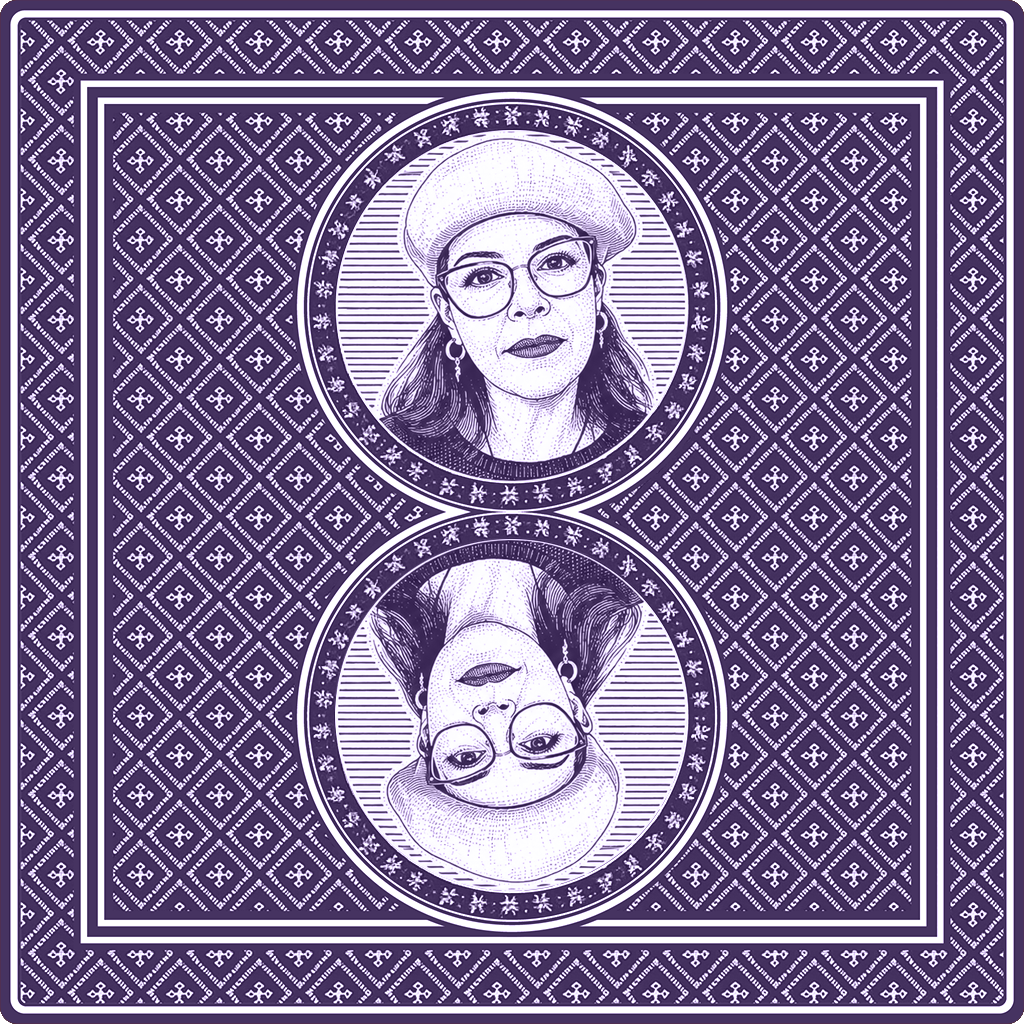
Liliana Oprea
Between two worlds. Domestic live-in care work and the reproduction of societies
This study examines the experiences of Romanian live-in care workers in Italy and their entrapment between two worlds. On the one hand, sustaining Italian social reproduction informally, with part-time or no legal contracts, especially in the south of Italy, and on the other, the Romanian society at the demise of the socialist regime and in the making of neo liberalism, with closed down factories, few rights for workers and not enough employment opportunities.
The narrative of Liliana illustrates the emotional and physical toll of 24-hour caregiving work. Based on research conducted in 2013 and followed by online interviews in 2025–2026, the paper highlights the value of long-term ethnographic engagement in documenting these life histories of Romanian badanti in Italy.
Testimony
Care Work with the Elderly: about Dignity and Joy
Liliana says that while taking care of the elderly what matters most is to laugh with them, to regain their human dignity, to make those last months and years of one’s life matter.
Question: The first time we met was in 2013?
Answer: Yes, in Southern Italy!
Q: We did several interviews over a period of many months, we made a film with you… and a party, about which I also published an article. It was your idea: La Festa Della Contr’ Ora. In Italian it means The Party at an Impossible Hour. 4 pm in summer time is an hour at which Italians don’t usually get out of the house… Thank you for the idea.
A: Thank you for accepting.
Q: What happened from 2013 until now?
A: After working in southern Italy for 10 years, I moved to the north for about 5, where working conditions are better and the salary is higher — days off respected, paperwork and contracts respected, a work contract, a union. All those years I was sending money for my niece, my brother’s daughter, so she could finish school and go to university. I also invested in renovating my parents’ house, in a village. And last but not least, I invested in my own house in Romania. Four years ago, also with the money saved in Italy, I bought an apartment on the outskirts of the city of Iași, on the ground floor of a block of flats. I have a separate entrance and a small courtyard of my own, a hallway, kitchen, bathroom, 1 bedroom — all large, spacious. I was fed up with tiny rooms. [She shows me on camera the new house, the yard and the garden]
Q: It looks a lot like the gardens in southern Italy.
A: This is where I live with my husband since I came back from Italy 4 years ago, after the pandemic. It’s everything I need. We have a tomcat we look after, my niece whom I talk to on the phone — I have no children. My parents are gone… That’s what I regret the most. That I took care of other people’s elderly and didn’t have enough time to look after my own parents.
Q: Why do you think care work is important?
A: First of all, for me personally. On a financial level, the problems from that period were resolved. I have a fulfilled conscience, I left my mark, I mattered a great deal — without us, the badanti, things could have been better for them, but they could also have been much worse. You get a sense of soul-satisfaction knowing that wherever you passed, something remained. Elderly people who regain their human dignity, who enjoy their last years, last months and days, who laugh their hearts out with you.
I have a fulfilled conscience, I left my mark, I mattered a great deal — without us, the badanti, things could have been better for them, but they could also have been much worse. You get a sense of soul-satisfaction knowing that wherever you passed, something remained. Elderly people who regain their human dignity, who enjoy their last years, last months and days, who laugh their hearts out with you.
I never contradicted the elderly. If he said it was water, then water it is. I have a very good understanding of many cases of senile dementia.
Munca de ingrijire a bătrănilor. Despre demnitate şi bucurie
Ce contează cel mai mult este să râzi cu ei, să le redai demnitatea, să faci ca acele ultime luni şi ultimi ani din viaţă să conteze.
Q: Prima oară ne-am întâlnit în 2013?
A: Da, în Italia de Sud!
Q: Am făcut mai multe interviuri pe o durată de mai multe luni, am făcut o filmare cu tine… și o petrecere, despre care am și publicat un articol. A fost ideea ta: La Festa Della Contr’ Ora. În italiană înseamnă Petrecerea la o Oră Imposibilă. Ora 4 pm, vara este o oră la care italienii nu ies, nu fac de obicei petreceri…Mulțumesc pentru idee.
A: Mulțumesc pentru că ai acceptat.
Q: Ce s-a întâmplat din 2013 până acum?A: După ce am lucrat în sudul Italiei 10 ani, m-am mutat în nord vreo 5, unde sunt condiții mai bune de muncă și salariul mai mare, liberul respectat, actele-contractele respectate, contract de muncă, sindicat. În toți acești ani trimiteam bani pentru nepoata mea, fiica fratelui meu, ca să își facă școala, să meargă la facultate. Am mai investit și în renovarea casei părinților mei, într-un sat, și în casa mea din România. Acum 4 ani, tot din banii strânși în Italia, am cumpărat un apartament la marginea Iașului, la parterul unui bloc. Am intrare separată și o curticică a mea, hol, bucătărie, baie, 1 dormitor – toate sunt mari, spațioase.Eram sătulă de camere micuțe. [Îmi arată pe cameră noua casă, curtea și grădina]. Seamănă mult cu grădinile din sudul Italiei.
A: Aici stau cu soțul meu de când m-am întors din Italia acum 4 ani, după pandemie, este tot de ce am nevoie. Avem un motan de care avem grijă, nepoata cu care vorbesc la telefon, nu am copii. Părinții s-au dus…De asta îmi pare cel mai mare rău. Că am avut grijă de bătrânii altora și nu am avut timp să mă ocup destul de părinții mei.
Q: De ce crezi că munca de îngrijire este importantă?
A: În primul rând pentru mine. Pe plan financiar problemele din acea perioadă mi s-au rezolvat. Am conștiința împlinită, am pus amprenta, am contat mult – fără noi, badantele, bătrânilor putea să le fie mai bine, dar putea să le fie și mult mai rău. Ai mulțumire sufletească că pe unde ai trecut s-a cunoscut. Bătrâni care își recapătă demnitatea umană, care se bucură de ultimii ani, ultimele luni și zile, care râd în hohote cu tine.
Am conștiința împlinită, am pus amprenta, am contat mult – fără noi, badantele, bătrânilor putea să le fie mai bine, dar putea să le fie și mult mai rău. Ai mulțumire sufletească că pe unde ai trecut s-a cunoscut. Bătrâni care își recapătă demnitatea umană, care se bucură de ultimii ani, ultimele luni și zile, care râd în hohote cu tine.
Eu nu îi contraziceam pe bătrâni. Dacă el zicea că este apă, apă este. Am o înțelegere foarte bună a multor cazuri de demență senilă.
The migration of Romanian women in the 1990s and early 2000s
This section describes the Romanian economy after the fall of Ceaușescu regime. After being made redundant from the Post Office, Liliana works in a bar. She does not like it and decides to migrate to Italy, as many other Romanian women did in those times of economic crisis in search of greater independence and better opportunities.
Q: What year did you leave for Italy and why?
A: I left for Italy as a badanta in 2005–2006, I think. I said to myself: let me see how it is. If I can manage, I'll stay; if not, I'll go back to Romania. In 2000 I was made redundant at the Romanian Post Office, after having worked there for 10 years. After restructuring and the modernization of the information management system, I was let go. Then I worked another 6 years in a bar, but that profession didn't suit me, then another period in various jobs. Nothing was stable.
Q: From the 2013 interviews I remember you said: I didn't want to walk between the tables and have men grab my backside… A: Those who dared would get a tray to the head. Because they'd get bolder after too many glasses of alcohol…
A: After 1989, many factories had closed, people had no more work and had taken to drinking. That's how they understood democracy: I can do whatever I want, to whoever I want, whenever I want… I ended up in Italy and it seems I managed. I came home only once a year, on holiday. I worked for several elderly people, 15 years in total. I cared for many of them right to the very end.
Q: Did you see them die?
A: Yes, I saw them. They died with me present. Death is ugly, always. [And she tells me about the death of her father-in-law, upon her return to Romania, and then another story] Why did I go to southern Italy? That's where I found a lead — I knew the salaries were low. They weren't serious about contracts. I found an acquaintance who was able to introduce me — meaning find me work with a family that needed a live in care worker, in exchange for a fee of 300 euros that you paid her. After more than 10 years in the south, I managed to find a contract in northern Italy, in Bologna and in Verona. There it was better in terms of pay and contract, and working conditions. All those years I only took one month of holiday a year.
Q: What stories from your work will you tell me?
A: I'll tell three stories. I'll start with an ugly one. Education matters.
Migrația femeilor românce în anii 1990 și începutul anilor 2000.
Această secțiune descrie economia românească după căderea regimului Ceaușescu. După ce a fost concediată de la Poștă, Liliana lucrează într-un bar. Nu-i place acest loc de muncă și decide să migreze în Italia, așa cum au făcut multe alte femei din România în acele vremuri de criză economică și de dobândire a independenței/căutare a oportunităților.
Q: În ce an ai plecat în Italia și de ce?
A: Am plecat ca badantă în Italia în 2005-2006, cred. Mi-am zis mie însămi: să văd cum e. Dacă rezist, rămân, dacă nu rezist, mă întorc în România. În 2000 am intrat în șomaj la Poșta Română după ce lucrasem acolo 10 ani. După restructurări și modernizarea sistemului de gestionare a informației, am fost disponibilizată.
Apoi am mai lucrat 6 ani într-un bar, dar meseria asta nu mă prindea, apoi încă o perioadă în joburi diverse. Nu era ceva stabil.
Q: Din interviurile din 2013 îmi aduc aminte că ai spus: nu voiam să trec printre mese și să îmi pună bărbații mâna pe fund…
A: Își luau și tăvi în cap, care îndrăznea. Că mai îndrăzneau după un pahar mai mult…
Q: După 1989, se închiseseră multe fabrici, oamenii nu mai aveau de muncă și se apucaseră de băut. Așa au înțeles ei democrația: pot să fac ce vreau, cui vreau, când vreau… Am ajuns în Italia și se pare că am rezistat. Veneam o singură dată pe an acasă, în vacanță. Am lucrat pentru mai mulți bătrâni, în total vreo 15 ani. Am avut grijă de mulți până în ultima clipă. I-ai văzut cum mor?
A: Da, i-am văzut. Cu mine mureau. Moartea este urâtă, tot timpul. [și îmi povestește despre moartea socrului ei, la întoarcerea în România, și apoi o altă poveste] De ce am plecat în Italia de Sud? Acolo am găsit un fir, știam că salariile sunt mici. Nu erau serioși cu contractele. Am găsit o cunoștință care a putut să mă introducă – adică să îmi găsească de muncă la o familie care avea nevoie de o badantă, contra unei taxe de 300 de euro pe care i-o dădeai.
După mai bine de 10 ani în sud am reușit să găsesc contract în nordul Italiei, la Bologna și la Verona. Acolo a fost mai bine cu plata și cu contractul, cu condițiile de muncă. În toți acești ani luam doar câte o lună de concediu pe an.
Q: Ce povești din munca ta îmi spui? A: Spun trei povești.
A: Încep cu o poveste urâtă. Educația contează.
The Objectification of the Migrant
A story that highlights the emotional and cultural toll of migration and how care work necessitates collaboration with the family members of the elderly, as well. A story related to the way of thinking of some persons from the south of Italy shows that the lack of education impacts on the quality of care work.
A: I had been caring for an elderly woman from Specchia, in southern Italy. After that elderly woman died, I was approached by another family to care for their elderly woman. I went to a meeting to discuss the conditions, to find out more. At that meeting, the son of the elderly woman came and said that they already had a Romanian badante who was caring for his mother, but that they wanted do dismiss this Romanian woman becuase she was treating his mother too kindly...
Q: What do you mean, too kindly?
A: The way elderly people with senile dementia are — they fix their attention on a person close to them: a son, a grandchild, it doesn't matter what… The elderly woman would shout at the son and say all sorts of things to him. The Romanian badanta would speak calmly with her, tell her to calm down, but couldn't get her to stop shouting at the son, and that bothered him. He wanted someone who could make the old woman be quiet. I told the Italian that I would not push out a Romanian badante so I could take her place — that it didn't seem right to me, especially since the badante was doing her job.
And here is the climax of the story. After we had been talking for an hour and I had explained all of this to him, this gentleman asked me: "No offense, but do you speak Italian?" I said there was no point in answering that question. What language have we been speaking up until now? I asked him. I left the meeting and he was shouting after me: "Are you coming to work, are you coming?" What was the point of answering anymore. [We laugh]
Q: This story is meant to say that in care work, the patients are not only the elderly, but also their families.
A: Yes, but something else too. It's not hard to work with the elderly — it's hard to work with their families, because you depend on them.
It's not hard to work with the elderly — it's hard to work with their families, because you depend on them.
Their family supplies you with food, with medication, with dressings; a great many things depend on them. In the worst cases, you come across families that don't really buy food for the badanta. And if they don't give the badanta food, sometimes they don't buy it for the elderly either. And so some badante buy food for the elderly themselves, because they don't want to eat in front of them while they look on. It's not like that everywhere. Some do buy… But this story is ugly because it shows that this Italian wanted to get rid of one badanta in order to hire another. If the negotiation starts like that, it means you're dealing with individuals who talk to you as if you were an object — they don't take you seriously… They don't even notice what language you're speaking!
Obiectificarea migrantului
O poveste care evidențiază impactul emoțional și cultural al migrației și modul în care munca de îngrijire necesită colaborarea și cu membrii familiilor persoanelor în vârstă. O poveste legată de modul de gândire al unor persoane din sudul Italiei arată că lipsa educației are impact asupra calității muncii de îngrijire.
A: Eu avusesem grijă de o bătrânică din Specchia, în sudul Italiei. După ce acea bătrână a murit, am fost căutată de o altă familie să am grijă de bătrâna lor. M-am dus la întâlnire ca să discut condițiile, să mă interesez. La acea întâlnire a venit fiul bătrânei și a spus că ei aveau deja o badantă româncă care avea grijă de mama lui, dar că voiau să o dea afară pe această româncă pentru că se purta prea frumos cu mama lor…
Q: Cum adică se purta prea frumos?
A: Cum sunt bătrânii care au demență senilă și prind în vizor o persoană apropiată: un fiu, un nepot, nu contează ce… Bătrâna țipa după fiu și îi spunea tot felul de lucruri. Badanta româncă vorbea calm cu ea, îi spunea să se liniștească, dar nu reușea să o facă să nu mai țipe după fiu și pe el asta îl deranja. Voia pe cineva care să facă bătrâna să tacă.
I-am spus italianului că eu nu dau afară o badantă româncă ca să vin eu, că nu mi se pare corect, cu atât mai mult cu cât badanta își făcea treaba.
Și aici este punctul culminant al poveștii.
După ce vorbim o oră și eu îi explic toate astea, acest domn mă întreabă: „Nu te supăra, dar tu vorbești italiana?”
Am spus că nu are sens să îi răspund la această întrebare. Ce limbă am vorbit până acum? îl întreb.
Plec de la întâlnire și el striga după mine: „Vii la serviciu, vii?” Ce sens avea să mai răspund.
[Râdem]
Q: Povestea asta este pentru a spune că în munca de îngrijire, pacienții nu sunt numai bătrânii, ci și familia lor.
A: Așa, dar și altceva. Nu este greu să lucrezi cu bătrânii, este greu să lucrezi cu familia lor pentru că depinzi de ei.
Nu este greu să lucrezi cu bătrânii, este greu să lucrezi cu familia lor pentru că depinzi de ei.
Familia lor te aprovizionează cu mâncare, cu medicamente, pansamente, de ei depind foarte multe. În cele mai rele cazuri dai de familii care nu prea cumpără de mâncare pentru badantă. Și dacă nu îi dau badantei de mâncare, uneori nu cumpără nici bătrânilor. Și atunci unele badante cumpără ele mâncare și pentru bătrâni, pentru că nu vor să mănânce în fața lor și ei să se uite. Nu este peste tot așa. Unii cumpără…
Dar povestea asta este urâtă pentru că arată că acest italian voia să scape de o badantă, ca să angajeze o alta. Dacă începe așa negocierea, înseamnă că ai de-a face cu indivizi care vorbesc cu tine ca și cu un obiect – nu te iau în seamă… Nici măcar nu sunt atenți la ce limbă vorbești!
Like Home — The Bologna Story
This is a section about work in the north of Italy, where Liliana was treated well and stories about how Romanian women prolonguing the lives of Italian elderly.
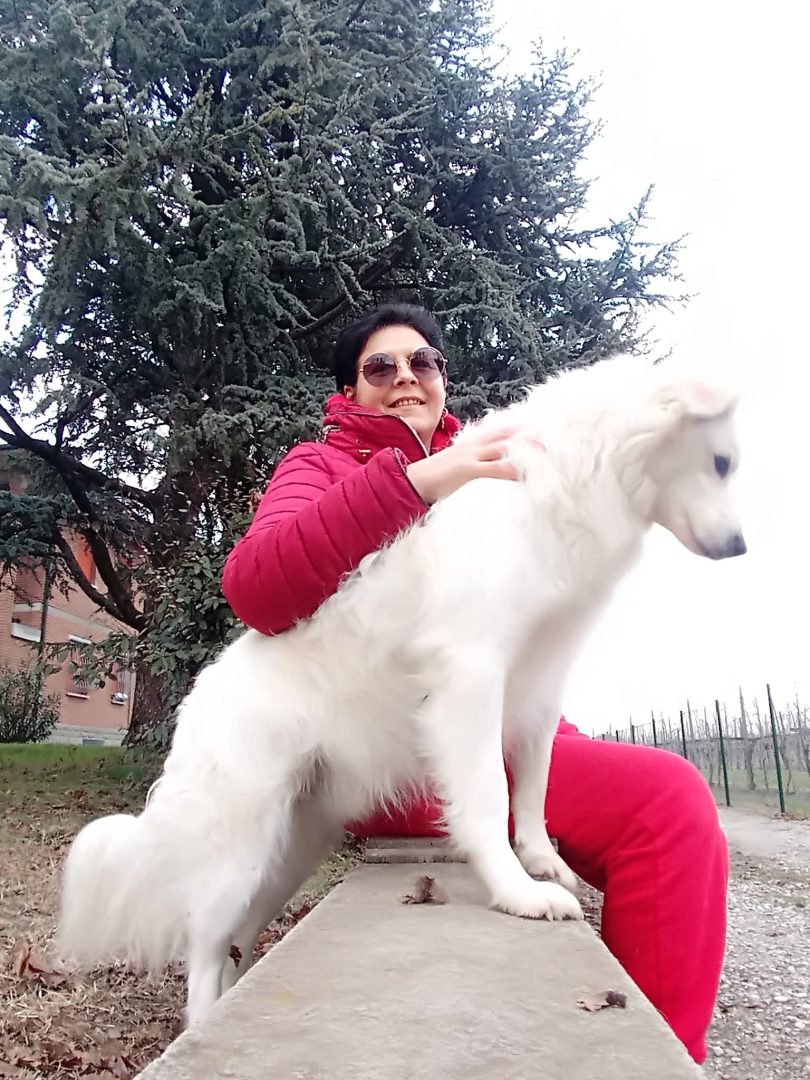
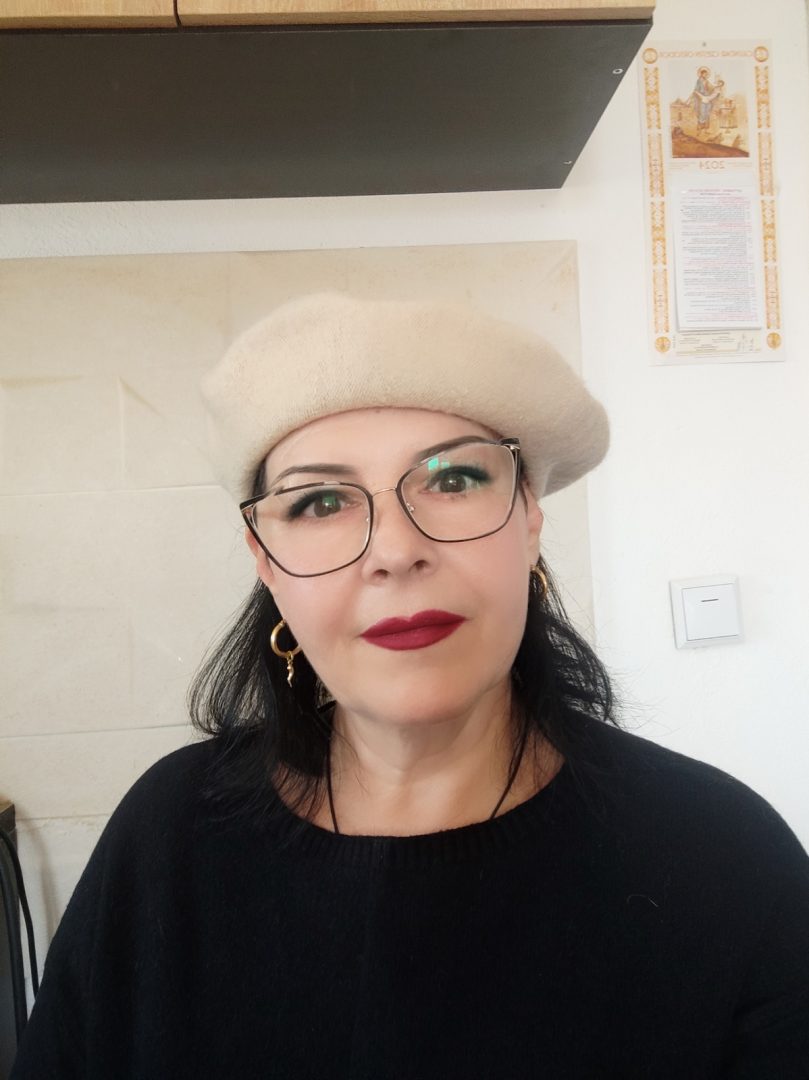
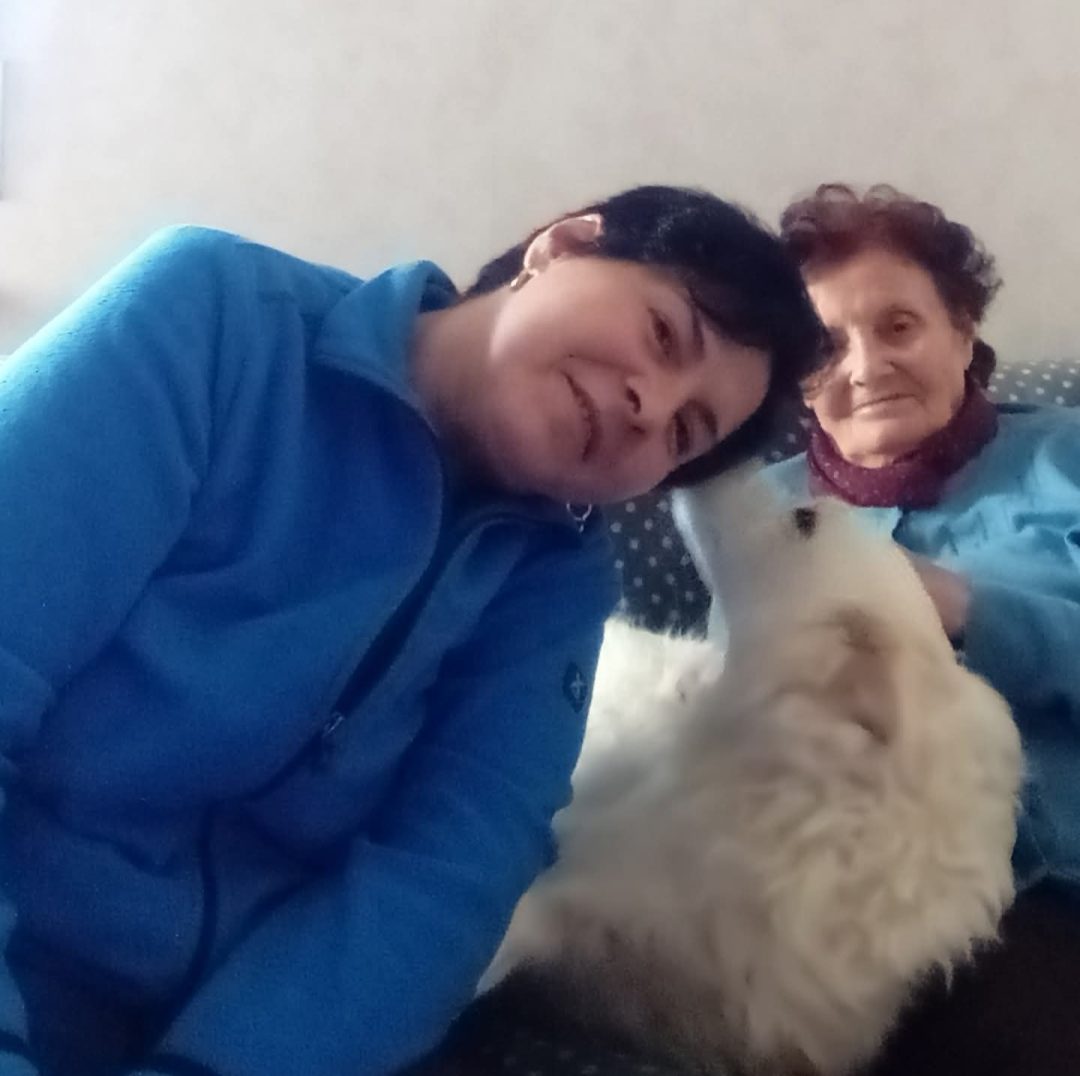
A: After 10 years in the South of Italy, I started working in Bologna for a family whose elderly woman was in a care home. The elderly woman had heart problems and had also ended up in hospital. Then they put her back in the care home — not with the intention of leaving her there, but to find a live-in care worker, a badante. They found me. They told me to settle into the house, to rest, because the elderly woman would be in the care home for one paid month. I stayed a day, two, I settled in. After 3 days from being hired I told them: "Right, let's go and bring her home from the care home!" I went and brought her out of the care home. Poor thing… a tiny little woman, Dina. Dina had a special medical condition. She was conscious most of the time, but couldn't walk because she tired easily due to her heart. Her heart was surrounded by a kind of sludge — fluid around the heart. I had to give her pills to eliminate the fluid. When she breathed with difficulty, I would go back to her to give her a pill. "But you already gave me one this morning…" she would say. We eventually managed to go down to the garden, then we ventured out into the street, little by little. I would take her to the bar, to restaurants and to the hairdresser every month. I would sit her down in the chair at the hairdresser's and go about my own business: I'd go have a coffee, do some shopping. When I came to pick her up, we'd go to another bar, set a glass of wine in front of us and wait for the car to come and collect us — like two ladies. The son would come, or the son's girlfriend. Someone would come to pick us up.
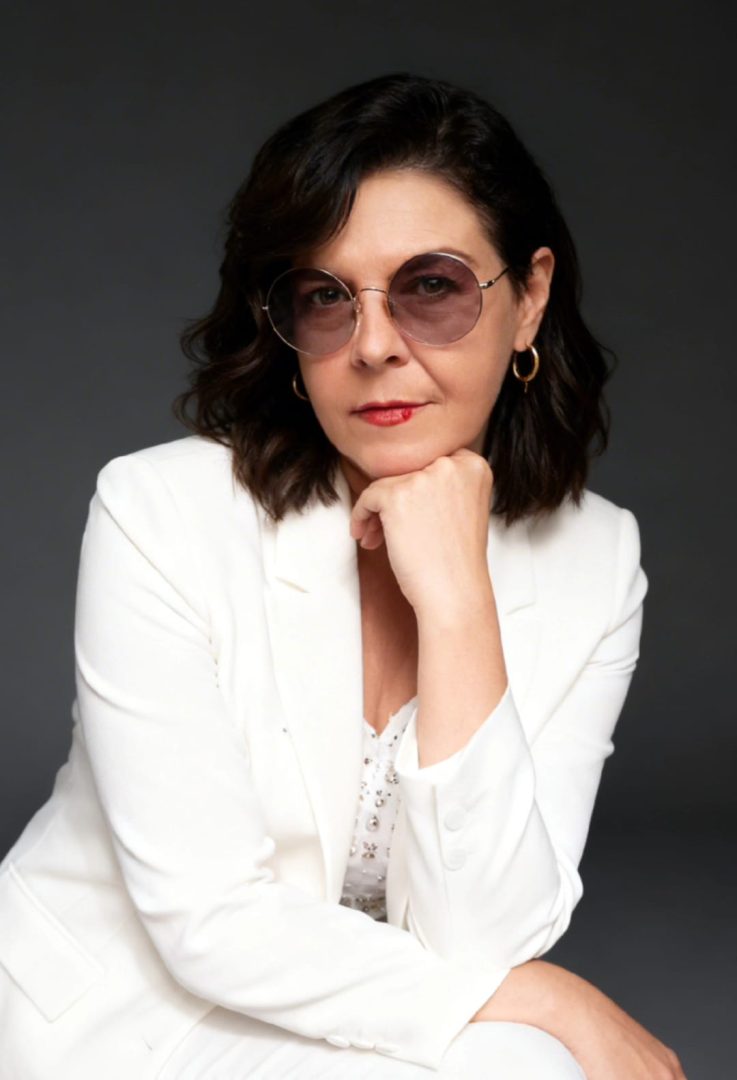

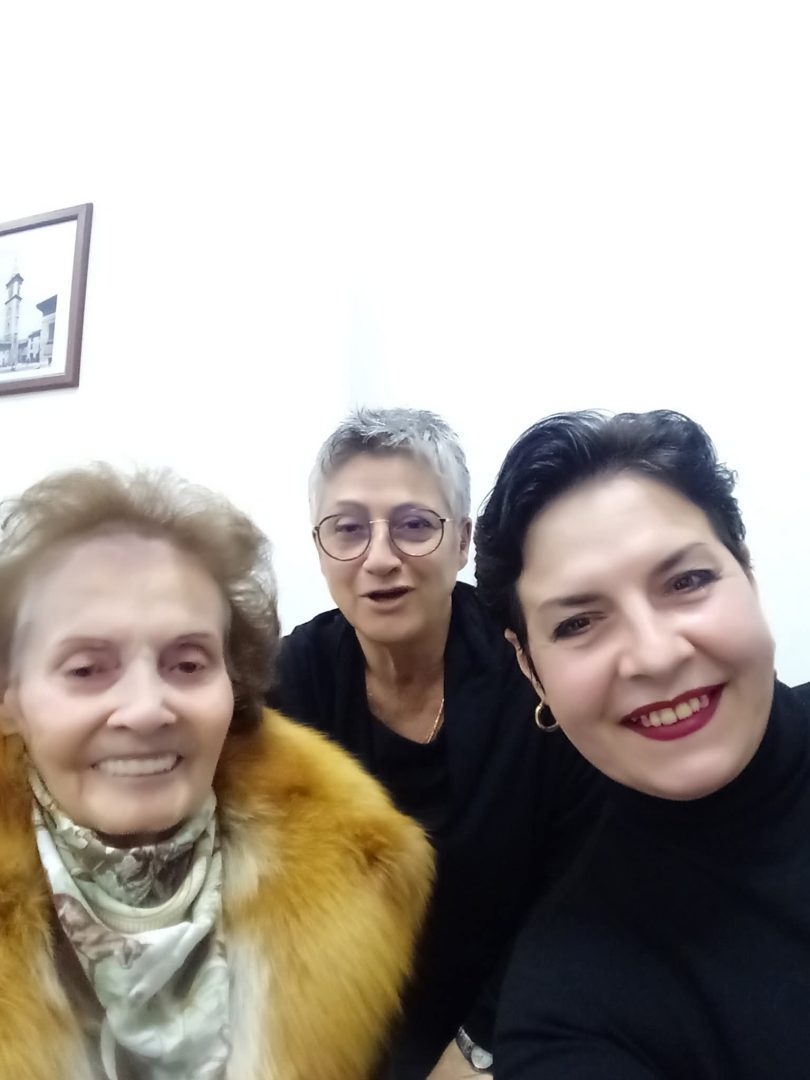
Q: Many Romanian women prolonged the lives of elderly Italians.
A: Yes, they knew how to feed them, even when they didn't particularly want to eat. Their bodies aren't moving around anyway.
Q: What are those years of prolonged life like?
A: They are much better. Dina was in a wheelchair and with me she ended up walking a kilometre on foot, to see a nephew's house. We rested and then came back. After the hairdresser — made up, with lipstick on, all done up — going to the bar. Can you imagine how that feels? You give her back her life and her dignity. She no longer sees herself as a useless being. You can find a family in Bologna and be treated like their daughter, the old woman's daughter, their son's sister.
After the hairdresser — made up, with lipstick on, all done up — going to the bar. Can you imagine how that feels? You give her back her life
and her dignity. She no longer sees herself as a useless being. You can find a family in Bologna and be treated like their daughter, the old woman's daughter, their son's sister.
You're very lucky if you find that. If there was an argument, I was part of it; if there was joy, I was part of that too. I worked for this family for 2 and a half years. If I said a dog was suffering in the street, they'd bring it in. I stayed with all the elderly women until the end, but this is the one I miss the most. I was home.
Ca acasă, povestea din Bologna
Aceasta este o secțiune despre munca în nordul Italiei, unde Liliana a fost tratată bine și povești despre cum femeile românce prelungesc viața persoanelor în vârstă din Italia.
A: După zece ani in sudul Italiei, am început să lucrez pentru o familie care avea bătrâna în azil. Bătrâna avea probleme cu inima și a ajuns și la spital. Apoi au băgat-o iar în azil, nu cu gândul să o lase acolo, ci să găsească o badantă. M-au găsit pe mine. Mi-au zis să mă obișnuiesc cu casa, să mă odihnesc, pentru că bătrâna este la azil pentru o lună plătită. Am stat o zi, două, m-am obișnuit. După 3 zile de la angajare le-am zis: „Gata, hai să o luăm de la azil!” M-am dus și am scos-o din azil. Săraca… o tipă micuță, Dina. Dina avea o condiție medicală specială. Era conștientă mai mereu, dar nu mergea pentru că obosea din cauza inimii. Inima înconjurată de un fel de nămol, apă în jurul inimii. Trebuia să îi dau pastile ca să elimine lichidul. Când respira greu, veneam iar către ea să îi dau o pastilă. „Dar mi-ai dat de dimineață…” spunea ea. Am ajuns să coborâm în grădină, apoi am ieșit în stradă ușor, ușor. Mergeam cu ea la bar, la restaurant și la coafor în fiecare lună. O așezam pe scaun la coafor și eu îmi vedeam de treburile mele: mergeam să beau o cafea, la cumpărături. Când o luam, mergeam la alt bar, ne puneam un pahar de vin în față și așteptam mașina să ne ia, ca niște doamne. Venea feciorul sau iubita feciorului. Cineva venea după noi.
Q: Multe femei românce prelungeau viața bătrânilor italieni.
A: Da, știau să le dea de mâncare, chiar dacă nu voiau neapărat. Corpul lor oricum nu este în mișcare.
Q: Cum sunt anii aceia de viață prelungită?
A: Sunt mult mai buni. Dina mergea în scaun cu rotile și cu mine a ajuns să meargă un km pe jos, să vadă casa unui nepot.
Ne-am odihnit și apoi ne-am întors. După coafor, machiată, rujată și aranjată, să mergi la bar. Îți dai seama cum se simte? Îi redai viața și demnitatea. Nu se mai vede o ființă inutilă. Poți găsi o familie în Bologna și să fii tratată ca fiica lor, fiica bătrânei, sora băiatului lor.
După coafor, machiată, rujată și aranjată, să mergi la bar. Îți dai seama cum se simte? Îi redai viața și demnitatea. Nu se mai vede o ființă inutilă. Poți găsi o familie în Bologna și să fii tratată ca fiica lor, fiica bătrânei, sora băiatului lor.
Foarte greu nimerești așa. Dacă era ceartă, participam la ceartă, dacă era bucurie, participam. Am lucrat 2 ani și jumătate la această familie. Dacă eu spuneam că un câine se chinuie pe stradă, îl aduceau. La toate bătrânele am stat până la sfârșit, dar de asta îmi pare cel mai tare rău. Eram acasă.
When the Family Decides the Elder Has Lived Long Enough
About care and connection and the emotional toll of migration. Conflicts between badanti and relatives of Italian elderly appear when there is too little or too much care. Who takes care of badanti’s own parents?
A: Dina had died and I had come back home to Romania for a break — it was the pandemic, in 2020. After few weeks, Dina's son's girlfriend called me to say she had found some other work for me in a nearby Italian town, in Rovereto. I told her that I could see my mother was a little weakened and I wanted to get her back on her feet a bit, to care for her. I'd speak to the family and call her back. As luck would have it, shortly after I said that, my mother died. I took care of other elderly and I did not care for my own mother. It was painful.
As luck would have it, shortly after I said that, my mother died. I took care of other elderly and I did not care for my own mother. It was painful.
I left for Rovereto, I spent 2 weeks in quarantine, because I hadn't taken the vaccine. And I started with the elderly woman. An elderly woman who lay in bed and nothing more.
At the beginning of my stay, the elderly woman asked me: "Who wronged you and brought you here, who forced you? To stay with a woman, to hold her in your arms, to feed her by hand, to wash her, to change her nappies, to do everything for her…" I told her no one had forced me, that I go wherever help is needed and that for me it is a pleasure.
She said: "Well, then, that is ok!"
Within one month, by feeding her not quantity but quality, she who had been lying in bed for several years — I managed to get her into a wheelchair and take her out into the daylight on the balcony. With sunglasses on, to the astonishment of passers-by. She who hadn't been outside in years… People waved to her, she waved back… She couldn't see who she was waving to, since we were on the 2nd floor, but she was delighted that people were calling out to her. She had been a schoolteacher — she was a woman held in very high regard in the community. Eventually her condition worsened. She became bedridden and was only awake for 10 minutes a day. Her body had entered a kind of hibernation. She was conscious just enough to eat, to take her pills, she would open her eyes for 10 minutes in the evening or whenever she felt like it. And, without fail, to smile at me. That was her purpose. When she saw me, she was pure light. Her eyes were fixed on the door, waiting to see me come in. I was the only one she laughed with, full and open-mouthed. In those 10 minutes when she came out of her coma. In those minutes I knew to give her raw egg, honey, beetroot. I washed her, gave her medication on time. I stayed there for 2 months.
At the insistence of the doctors, the relatives decided to put her to sleep gently — addormentare dolce, as they say in that area. They attached a vial of morphine to her foot — probably the required dose — and said she would be fully asleep within 24 hours. After 24 hours the elderly woman had not fully gone to sleep — she had eaten, her pills had been taken. I called the doctor. I told the doctor she looked like Sleeping Beauty: neither awake nor dead. The nephew didn't understand what was happening. "Why aren't you signing?" he asked me — since I had contact with her and was responsible for the elderly woman.
I refused to sign. "Because I don't agree," I said. That elderly woman could still live, if they wanted her to. She was peaceful, fulfilled. But relatives, when they grow tired of a sick person, that's what they do. They don't understand, they rush, they want it to be over sooner. In the will, the nephew was named — he was the one in charge. The doctor explained it to him once more. They prepared another small vial of morphine. It took another 18 hours, on top of the first 24, until she passed.
Rovereto is a state within a state — they have their own legislation which permitted this type of practice. It was the pandemic period. They euthanized her slowly because they were tired of seeing her lying there in bed. They were afraid I would stay on in their home. The law said that if you have a contract, you can stay for 1 year without paying utilities or rent. I told them not to worry. And that's how I ended up in Verona.
Când familia consideră că bătrânul/bătrâna a trăit destul.
Despre îngrijire, conexiune și impactul emoțional al migrației. Conflictele dintre badanti și rudele persoanelor în vârstă din Italia apar atunci când există prea puțină sau prea multă îngrijire. Cine are grijă de propriii părinți ai badanti?
Murise Dina și venisem acasă în România să mai fac o pauză, era pandemia în 2020. După câteva săptămâni, prietena feciorului Dinei m-a sunat că a găsit un serviciu într+un alt orăşed din zona, în Roveretto.
Eu i-am spus că o văd un pic slăbită pe mama mea și vreau să o pun un pic pe picioare, să am grijă de ea. Vorbesc cu familia și te sun. De bine ce am zis așa, la scurt timp după, mama mea a murit. Am avut grijă de alţi bătrâni şi un am avut grijă de propria mea mamă. A fost dureros.
De bine ce am zis așa, la scurt timp după, mama mea a murit. Am avut grijă de alţi bătrâni şi un am avut grijă de propria mea mamă. A fost dureros.
Am plecat la Roveretto, am stat în carantină 2 săptămâni, pentru că nu am făcut vaccinul. Și am intrat la bătrână. O bătrână care stătea în pat și atât. La începutul șederii mele bătrâna m-a întrebat: „Cine și-o bătut joc de tine și te-a adus aici, cine te-a forțat? Să stai cu o femeie, să o ții în brațe, să îi dai de mâncare în gură, să o speli, să îi schimbi pampersii, să faci totul pentru ea…”
Am zis că nu m-o forțat nimeni, că eu merg colo unde este nevoie de ajutor și că pentru mine este o plăcere. A zis că: „Așa, da!”
Într-o lună de zile, dându-i de mâncare nu cantitate, ci calitate, ea care stătea de câțiva ani de zile în pat, am reușit să o pun pe scaun cu rotile și să o scot la lumina zilei în balcon. Cu ochelari de soare, de se crucea lumea.
Ea care nu mai ieșise afară de câțiva ani… Îi făceau cu mâna, ea răspundea… Nu vedea cui face, că stăteam la etajul 2, dar se bucura că strigau la ea. Fusese învățătoare, era o femeie foarte bine văzută în comunitate.
Până la urmă starea ei s-a înrăutățit. A căzut la pat și stătea trează doar 10 minute pe zi. Corpul ei intrase într-un fel de hibernare.
Era conștientă cât îi trebuia să mănânce, să își ia pastilele, mai deschidea ochii 10 minute mai pe seară sau când îi venea ei.
Și, neapărat, să zâmbească la mine. Asta era scopul ei. Când mă vedea, era toată o lumină. Era cu ochii numai la ușă, să mă vadă când intru. Eram singura la care râdea cu gura până la urechi. În alea 10 minute când ieșea din comă.
În acele minute eu știam să îi dau să mănânce ou crud, miere de albine, sfeclă roșie. O spălam, îi dădeam medicamentele la oră. Acolo am stat 2 luni.
La insistențele doctorilor, rudele au decis să o adoarmă dulce – addormentare dolce, așa se spune acolo în zonă. I-au pus la picior o fiolă de morfină, probabil doza care trebuie, și au spus că în 24 de ore adoarme de tot. După 24 de ore bătrâna nu adormea de tot – era mâncată, pastilele luate. Am chemat doctorul Am zis doctorului că arată ca Frumoasa din Pădurea Adormită: nu este nici trează, nici moartă.
Nepotul nu înțelegea ce se întâmplă. „Tu de ce nu semnezi?” m-a întrebat pe mine, având contact și fiind responsabilă de bătrână.
Eu am refuzat să semnez. „Pentru că nu sunt de acord”, am spus. Acea bătrână mai putea trăi, dacă ei voiau. Era liniștită, împlinită.
Dar rudele, când se plictisesc de persoana bolnavă, așa fac. Nu înțeleg, se grăbesc, vor să se termine mai repede. În testament nepotul era trecut – el avea grijă. Doctorul i-a mai explicat o dată. Au mai făcut o altă butelcuță de morfină. A mai durat 18 ore, pe lângă primele 24, până s-a stins
Roveretto este stat în stat, au legislația lor care le-a permis acest tip de practică. Era perioada pandemiei. Au eutanasiat-o lent că s-au plictisit să o vadă acolo în pat. Erau speriați că voi rămâne să stau la ei. Legea spunea că dacă ai contract, poți sta 1 an de zile fără să plătești curent, chirie. Le-am spus să nu își facă griji. Așa am ajuns la Verona.
The Fragility That Began in Italy and the Return to Romania. Lack of Legal or Partial Contracts
This section talks about the long-term implications of lack of legal or partial contracts in Italy. If migrant care workers work legally with less than 10 years of contracts, this translates in lack of pensions and more burden put on Romanian workers when they get older.
Q: Why did you feel you wanted to come back?
A: The symptoms of rheumatoid polyarthritis began in Bologna. Perhaps genetic, perhaps because I pushed myself doing physical lifting work. The cold in the houses in the south — 17 degrees Celsius indoors in winter, with tiled floors, no heating. In winter in Grano we had heating for one hour a day, from 5–6 in the evening. And they'd turn it on when I was off, because that's when they were visiting — so they could sit in the warmth.
The bedsheets felt wet - that dampness from the house eats into you. It was colder inside the southern houses in winter than in our Romanian houses in winter, even without a fire. You don't find that kind of dampness back home. The bones start creaking like the Tin Man from The Wonderful Wizard of Oz. With every step the bones made a sound: creak, creak. Moreover, in Verona the son of the elderly woman I had cared for couldn't register me as a resident — the house was in a nephew's name. I had the right, but I couldn't obtain residency. I knew the elderly woman was fading, I didn't think there was much point in staying in Verona — especially since she had violent senile dementia. And I had already been there for over 2 years. I came back to Romania so I could get medication… Otherwise, in Romania, during the one month I came on holiday, I didn't have time to go to a doctor. And I didn't get treatment in time… In Italy I did not check my health at all. If I had stayed at home, if I had done the tests and taken the pills early, I would have stopped the disease.
In Italy I did not check my health at all. If I had stayed at home, if I had done the tests and taken the pills early, I would have stopped the disease.
I wouldn't have reached the level of inflammation I have now. I made the mistake of feeling pain and not seeking treatment — I thought it was from the weight I was lifting. When the pain became very severe, I could no longer manage and I left to take care of myself too.
[She shows me how her fingers and toes are bent and inflamed severely from the rheumatoid polyarthritis. Same with knees and other parts of her body].
Q: It seems we have lost the Romania–Italy Year — an opportunity to fight for the rights of Romanian women who have emigrated. There needs to be an awareness campaign among Romanian women and with the Romanian and Italian state institutions so badanti do not work without an contract.
There needs to be an awareness campaign among Romanian women and with the Romanian and Italian state institutions so badanti do not work without an contract.
A: Badanti came to Italy out of necessity. I worked that way [without a full time legal contract] because contracts simply weren't offered. Where do you stay while you look for a family that will give you a contract?
But, since I came back to Romania, I don't like it. People are rough around the edges. Everyone thinks you have a lot of money. The one thing I do enjoy — going for a walk, going to a restaurant. I have no reason to do volunteer work. With money I can't find work because I have severe pain. A rheumatoid arthritis crisis — 3 months in bed. It depends where it catches you. On top of which I have the status of disability pensioner. Even though by law I have the right to work, no one will hire me: I need to work in a warm environment, in a seated position, with no more than 2 kg to lift.
[She shows me the major deformities of her hands and feet from arthritis, the fact that she cannot bend her fingers, that putting on shoes is very difficult.]
I cannot live on the 1,200 lei I currently receive as a pension. Last year I had a crisis. It kept me in bed for 3 months and I lost 20 kg. Then the cervical spine problems started — my husband would massage me. I couldn't pull my own trousers up, I was like the old women I used to care for. The pills you take are very harsh. Hair falls out, blood runs from the nose — I had intolerances. Now I take pills that stop me from feeling the pain.
And after I came back to Romania I also stayed with an old woman for a while. Also with dementia. She mistook me for a childhood friend. But I don't like living in the country and not sleeping in my own home. I wouldn't accept that, and besides, it's not the same money. When you're far away and making a sacrifice, you earn 1500 euros in north of Italy and 600 euros in south. In Iași you get 1,500–2,000 lei a month, which means 280-380 euros a month.
The people who look for me, look for me only to care for their parents with senile dementia. I'd go for a few hours, but not to sleep there. If I'm in Romania, I need to be at home.
Still, the small successes bring me joy. A taxi driver who remembers me after 30 years because I worked at the counter at the Post Office. Others who call at Easter, Christmas, New Year's Eve. At Easter, Dina's son called — and on my birthday too. To call after a few years means something, a small trace was left behind by me… That makes up for the callousness I see.
I'm sorry I spent so little time with my parents. I would have come back much sooner, but my parents took care of each other — I don't know if it was worth it… Having been away for so long, you no longer know which country is good for you. You miss home; when you come back, you're envied for no good reason. When you go there, there's no real life there — a gilded cage. It's not quite a cage — you start to become a stranger wherever you go, and at home you're a stranger too. You feel foreign and others see you as foreign. You notice the differences in mentality.
I don't know if it was worth it… Having been away for so long, you no longer know which country is good for you. You miss home; when you come back, you're envied for no good reason. When you go there, there's no real life there — a gilded cage. It's not quite a cage — you start to become a stranger wherever you go, and at home you're a stranger too. You feel foreign and others see you as foreign. You notice the differences in mentality.
Fragilizarea începută în Italia și întoarcerea în România
Această secțiune prezintă implicațiile pe termen lung ale lipsei contractelor legale sau parțiale în Italia. Dacă lucrătorii migranți în domeniul îngrijirii lucrează legal cu contracte de mai puțin de 10 ani, acest lucru se traduce prin lipsa pensiilor și o povară mai mare asupra lucrătorilor români atunci când îmbătrânesc.
Q: De ce ai simțit că vrei să te întorci?
A: Au început simptomele de poliartrită reumatoidă cu începutul la Bologna. Poate genetic, poate pentru că m-am forțat să fac munci fizice de ridicare.
Frigul din case din sud – 17 grade Celsius în casă iarna, cu gresie pe jos, fără încălzire. Iarna la Tricase aveam încălzire o oră pe zi, de la 5-6 seara. Și o puneau când eram eu liberă, că atunci erau ei în vizită, ca să stea ei în căldură.
Cearceafurile spuneai că sunt ude, umiditatea aia te mănâncă din casă.Mai frig era în casa din sud iarna decât în casele noastre din România, iarna, chiar dacă nu făceai foc. La noi nu găsești acea umiditate. Oasele încep să scârțâie ca Omul de Tinichea din Vrăjitorul din Oz. Cum mergi se aud oasele: scârț, scârț.
Mai mult, la Verona băiatul bătrânei de care am avut grijă nu a putut să îmi facă rezidența, casa era pe numele unui nepot. Aveam dreptul, dar nu am reușit să obțin rezidența. Știam că e pe ducă bătrâna, nu credeam că mai are rost să stau în Verona – mai ales că avea demență senilă violentă. Și deja stătusem 2 ani și ceva.
Am venit în România ca să pot să îmi iau medicamente… pentru că, altfel, în România, într-o lună când veneam în vacanță, nu aveam timp să mă duc la un doctor. Și nu m-am tratat la timp…
În Italia nu m-am tratat deloc.Dacă aș fi stat acasă în România, dacă aș fi făcut analizele și luam pastilele din timp, stopam boala. Nu mai ajungeam la gradul de inflamație pe care îl am acum.
În Italia nu m-am tratat deloc.Dacă aș fi stat acasă în România, dacă aș fi făcut analizele și luam pastilele din timp, stopam boala. Nu mai ajungeam la gradul de inflamație pe care îl am acum.
Am greșit că simțeam dureri și nu m-am tratat, am crezut că este de la greutatea pe care o ridicam.Când durerile au devenit foarte mari, nu am mai putut și am plecat să am grijă și de mine. [Imi arată cum degetele de la mâini și de la picioare sunt indoite și inflamate sever de la artrită reumatoidă. La fel genunchii și alte părți ale corpului].
Q: Se pare că am pierdut ocazia, Anul România – Italia, o oportunitate să luptăm pentru drepturile româncelor plecate.
TREBUIE FĂCUTĂ CAMPANIE DE CONȘTIENTIZARE PRINTRE FEMEILE ROMÂNCE ÎN INSTITUȚIILE STATULUI ROMÂN ȘI ÎN CELE ALE STATULUI ITALIAN CA BADANTELE SĂ NU LUCREZE FĂRĂ CONTRACT.
A : Badantele au venit în Italia din nevoie. Eu am lucrat așa [fără contract legal full time]pentru că nu se făceau contracte. Unde stau până găsesc o familie care să îmi facă contract?
Dar, de când am venit în România, nu îmi place. Lumea este din topor. Toată lumea crede că ai foarte mulți bani. Singura treabă care îmi place – să ies la o plimbare, să merg la un restaurant. Voluntariat nu am de ce să fac.
Cu bani nu găsesc de muncă pentru că am dureri mari. Criza de poliartrită reumatologică cu 3 luni la pat – depinde unde te prinde. Plus că am statut de pensionar pe caz de boală. Chiar dacă prin lege am dreptul să lucrez, nu mă angajează nimeni: că trebuie să lucrez la căldură, poziția șezut, nu mai mult de 2 kg în mână de ridicat.
Îmi arată deformările majore ale mâinilor și picioarelor de la artrită, faptul că nu își poate îndoi degetele de la mâini, că se încalță foarte greu.
Nu pot trăi cu 1200 de lei cât am acum pensia. Anul trecut am avut o criză. M-a prins la pat 3 luni și am slăbit 20 kg. Apoi m-a luat cervicala – îmi făcea bărbatul masaj. Nu îmi trăgeam singură pantalonii, stăteam ca babele de care am avut eu grijă. Pastilele pe care le iei sunt foarte dure. Cade părul din cap, curge sânge din nas – aveam intoleranțe.
Acum iau pastile care fac să nu mai simt durerea.
Și după ce m-am întors în România am mai stat cu o băbuță. Tot cu demență. M-a confundat cu o prietenă din copilărie.
Dar nu îmi place să stau în țară și să nu dorm la mine acasă. Nu aș accepta așa ceva, plus că nu sunt aceiași bani. Când ești departe și faci un sacrificiu, câștigi 1500 de euro în nordul Italiei și 600 euro în sud. În Iași primești 1500 – 2000 lei pe lună, care înseamnă 280/380 euro pe lună.
Pe mine cine mă caută, mă caută doar persoanele care vor să am grijă de părinții lor cu demență senilă. M-aș duce câteva ore, dar nu să dorm acolo. Dacă sunt în România, trebuie să fiu acasă.
Totuși, mă bucură micile succese.
Un șofer de taxi care își aduce aminte de mine după 30 de ani că am lucrat la ghișeu la Poștă. Alții care sună de Paști, Crăciun, Revelion. De Paști a sunat fiul lui Dina, și de Ziua mea. Să sune după câțiva ani înseamnă ceva, o mică urmă a rămas după mine…
Asta compensează cu nesimțirea pe care o văd. Îmi pare rău că am petrecut puțin timp cu părinții. M-aș întoarce mult mai devreme, dar părinții mei s-au îngrijit unul pe altul, nu știu dacă merita…
Fiind plecat de atâta timp, nu mai știi în ce țară îți este bine. Îți este dor de acasă, când vii, ești invidiat fără sens. Când mergi acolo, acolo nu este viață, pușcărie de aur.
Nu e chiar pușcărie, începi să devii un străin pe oriunde treci, și acasă tot străin ești. Te simți străin și alții te consideră străin. Vezi diferențele de mentalitate.
Historical-Political Background
In the early 1990s, following the collapse of the Communist regime in Romania, many state-owned factories were closed, while others significantly reduced their workforce. As a result, large numbers of people lost their jobs, including Liliana. During this period, before Romania officially joined the European Union, unemployment affected many Romanian women. For many of them, migrating to Italy to work as live-in caregivers (known as badante) became a practical solution.
Romanian women were able to learn Italian relatively quickly, as Romanian is a Romance language with similarities to Italian. In addition, many women were already familiar with caregiving tasks due to their experiences in rural communities, where traditional roles often included caring for family members.
Women from economically disadvantaged regions of Romania were more likely to migrate to southern Italy, where there was a higher demand for this type of work.
While live-in care workers’ earnings are often invested in Romania—particularly in education and house making and renovations—these workers frequently experience a strong sense of estrangement, both in Italy and in their home country, at return.
The findings reveal significant regional differences in working conditions: in southern Italy, care workers often face informal or partial contracts, lack of free time, and limited access to employment benefits, while in the north of Italy, labor regulations are more frequently respected. Despite these challenges, workers report weak support from unions and limited collective organization among Romanians.
Close attachment to care recipients leads to the prolongation of the life of Italian elderly, but also to care workers’ cumulative loss and premature aging.
Liliana’s constant use of social media, functions like a door to another world, a way of showing to others that she has remained alive and in contact with the world. Migrant care workers use social media as a form of freedom that contrasts to their very limited time they are allowed to get out of homes.1
After 15 years of work in Italy, Liliana finds herself in a precarious condition with only a Romanian health allowance of 1200 lei, meaning 230 euros a month. Only a portion of her labor in Italy has been formally recognized, raising concerns about future pension eligibility when she will become allowed to ask for that pension.
Making of
How and why did you decide to deal with and present this specific story?
I knew Liliana very well since 2013 from another research project. In this testimony, I wrote down the stories Liliana told. I conducted three interviews in 2026 and used materials from my research with her in 2013, in Grano, South of Italy.
I told stories that she considered important. For her, these stories tell the difference between working for families where one is treated like a human being, and working for families where the maid is just an object: a donkey pulling a cart or a Romanian woman, no difference. Liliana has made better experiences with educated families in the north of Italy, but there is also a rush and relatives who don’t care. It depends on the family.
As Liliana put it:
“Working with elderly people who stay at home 24 hours a day, I can even tell from their breathing if something has changed, what is wrong. I grow old before my time. You grow older with every job you have — you become attached, otherwise you couldn’t stay. No matter how good the job is, after years and years, a piece of you leaves.”
Some parts of the research I have conducted with her in the past are also presented in other published materials and in a short video (see Credits).
How did you negotiate and decide about the methodologies and processes in acquiring/giving the testimony?
As part of the Fe.Mig.Lab Project I asked Liliana if she is willing to give a new testimony. She accepted gladly, and was happy that testimonies were paid. I have conducted three interviews. One over the telephone and other two via WhatsApp. After the text was ready, she checked the Romanian version of the testimony, decided on the title and on the pictures to be presented alongside.
Having no children of her own, for her, these interviews underscore the importance of preserving these stories as part of a broader social and historical record.
How and why did you decide to publicly present the story this way?
Her stories included many different aspects of her care work experience in Italy. We have decided to use the chronological order but also to make use of her own crucial moments and her own distinctions, based on different families where she worked.
This testimony tries not to stigmatise people from different countries or regions, but just to point to some correlations she sensed between lack of education and exploitation, and to show the need to conduct more research and policy work in Romanian and Italian institutions on the topic of lack of (full time legal) contracts for live-in care workers.
What is the motivation and benefit for the person/community sharing the story? How did you negotiate this and take it into consideration?
This testimony makes Liliana feel appreciated for her work and knowledge. Furthermore, she sees the need for more political attention for the labour and health rights of Romanian workers abroad. That’s why stories like hers should be made public, also with political institutions in Romania like Ministry of Labour, The Ministry of Health and the Ministry of Foreign Affairs. When care workers reach the age of pensioning and come back to Romania, the consequences of lack of legal contracts turns into a burden for Romanian citizens and for Romanian institutions.
What questions and challenges arose during the processes?
I felt that during these interviews I could not get very deep in asking some personal questions about the role of husbands or partners left at home, the benefits of migration in relation to independence and autonomy. During our online interviews Liliana was very often in the same room with her husband.
Many women leave to do care work jobs abroad to escape from home, due to domestic violence or because they do not know how to manage complicated relationships with other members of the family of origin. The golden cage is for some a form of sacrifice, others try to start families in the diaspora.
For many of them, it is not clear how the Italian state works, why it does not require contracts to be made in the South of Italy. These women suffer a lot when returning home in Romania with their health damaged, with no pensions.
Moreover, many Romanian care workers complain that they feel the lack of formal support structures and that they do not know who can defend their rights when contracts are missing, or are partially legal and the rights of migrant domestic workers are not respected. In the interviews, Liliana refers to some help that a friend of hers wanted to ask from a union in the South. There is a gap between what Liliana thinks imaginary unions do and the fact she does not know who defends migrant care workers’ rights. I would like to dedicate more research to the topic of formal support structures for Romanian migrant domestic workers in Italy.
Credits
This testimony was contributed by Gabriela Nicolescu and Liliana Oprea and builds upon previous anthropoligocal research:
UCL Why We Post Film. Anthropologists: Gabriela Nicolescu and Răzvan Nicolescu, 2016: Film “South Italy: Facebook and distant relationships with Liliana Oprea.” https://www.youtube.com/watch?v=T5YX4TtKye0 (13.09.2026).
Nicolescu, Gabriela, 2020: ‘Celebrating invisibility: Live-in Romanian badanti taking care of the elderly in Southeast Italy.’ In Reconceptualising Care. Haukanes, Haldis and Frances Pine (eds.), Manchester: Manchester University Press.
Nicolescu, Gabriela, 2019: ‘Keeping the elderly alive: Global Entanglements and Embodied Practices in Long-Term Care in Southeast Italy.’ In Anthropology & Aging, Vol 40, No 1: 72-88. ISSN 2374-2267 (online) DOI 10.5195/aa.2019.202.
Nicolescu, Gabriela, 2018: ‘From border fetishism to tactical socialism.’ In East Central Europe, vol. 45, no.2, Special Issue: “State Socialist Experts in Transnational Perspective.” Vol 45, No 2: 1-28, DOI 10.1163/18763308-04502005.
Pictures
privat © Liliana Oprea
Partner involved
Gabriela Nicolescu
Gabriela Nicolescu is an anthropologist, curator and writer interested in what visual and material culture perspectives bring to development and migration studies, political economy, and the anthropology of health; museums and museum practices; and the history of social sciences, especially in Europe. She has conducted extensive ethnographic work in Romania, Italy and the UK on the shifting relations between politics and representation, the diffusion and social organization of cultural ideas, migration, remittances and notions of care work.
Gabriela has curated and co-curated multiple international exhibitions in Austria, Romania, Hong Kong, Philippines and the UK. Gabriela completed her PhD in Visual Anthropology in Goldsmiths, University of London. She taught in Goldsmiths, University of London and in University of Bucharest and worked for Romanian Peasant Museum, University of London, University College Cork and University of Oxford. Currently she works as a Senior Editor for the National Library of Romania and is a founding member of the Centre for Visual and Digital Anthropology.
Footnotes
- UCL Why We Post Film. Anthropologists: Gabriela Nicolescu and Răzvan Nicolescu, 2016: Film “South Italy: Facebook and distant relationships with Liliana Oprea.” https://www.youtube.com/watch?v=T5YX4TtKye0 (13.09.2026) – ↩︎