Mothering across borders; fifteen days in – fifteen days out
Mothering across borders; fifteen days in – fifteen days out
The interviewee describes how the economic consequences of the post-war transition and her husband’s forced early retirement pushed her to migrate to Italy for domestic work, leaving behind her two young sons to support the family. She reflects on the emotional toll of migration, expressing deep guilt and lasting pain over the impact her absence had on her children despite her efforts to provide for them financially.
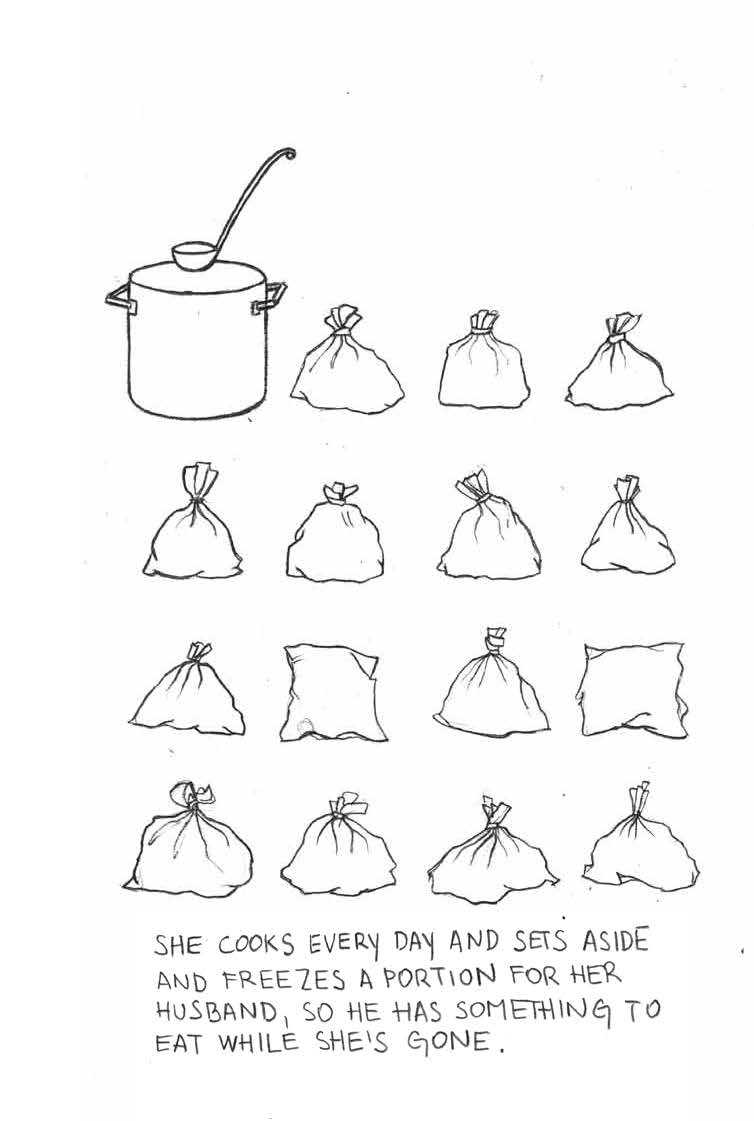
All of this is a consequence of the war and everything we went through. The first time I left for Italy, I left behind two sons, aged seven and nine…I started working in 1997, when I was thirty-three years old. It all happened very suddenly, headlong. My husband was injured at work, at a glass factory, and he was constantly on sick leave. The factory was later bought by a German company, and with privatization, workers slowly lost their rights. They told him he could not remain on sick leave on and off again, and that it would be better if he took early retirement. So, we had to decide what to do. He retired, but the State informed us that it would take a full year to process the paperwork, meaning there would be no pension during that time. With two children in school, I panicked! PANICKED! And as I’m impulsive by nature, that is just how I am, and we all knew that women were leaving for Italy, it was very sudden, and I left to work in Verona, fifteen days in, and fifteen days out. And that’s how it was. It’s hard for a man to find works especially if he is older. A woman just switches to another family, and either way, she ends up serving and caring for others…
It’s hard for a man to find works especially if he is older. A woman just switches to another family, and either way, she ends up serving and caring for others…
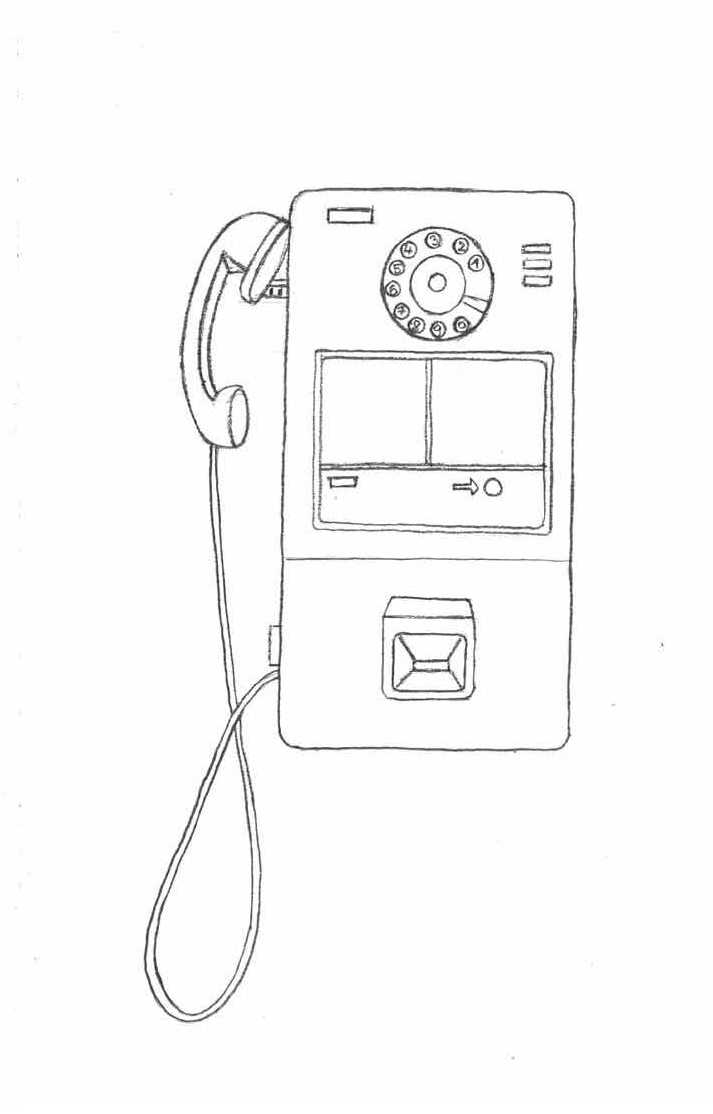
But once in Italy, I was not doing well psychologically, hanging out in a phone booth like a madwoman. Out of guilt for leaving my small children, I tried to make up for it – I bought them things to compensate, and I was aware of it. Let’s be clear: I went to earn a living, but I never came home without gifts, clothes, toys, or sweets.
My older son suffered greatly because I wasn’t there. When I was home, he would constantly come to me — something I will never forget — and hug me. I would say, ‘But we hug all the time,’ and he replied, ‘But you couldn’t hug me when you were in Italy!’
I still remember those words today. It felt like a slap, especially since before I left I hadn’t even been allowed to touch him without his permission. For everything that has happened later in his life, I blame myself. I know that isn’t good, that it is not only my fault, but still I feel it is because of me and that I am to blame because I wasn’t there.”