Like Home — The Bologna Story
Like Home — The Bologna Story
This is a section about work in the north of Italy, where Liliana was treated well and stories about how Romanian women prolonguing the lives of Italian elderly.
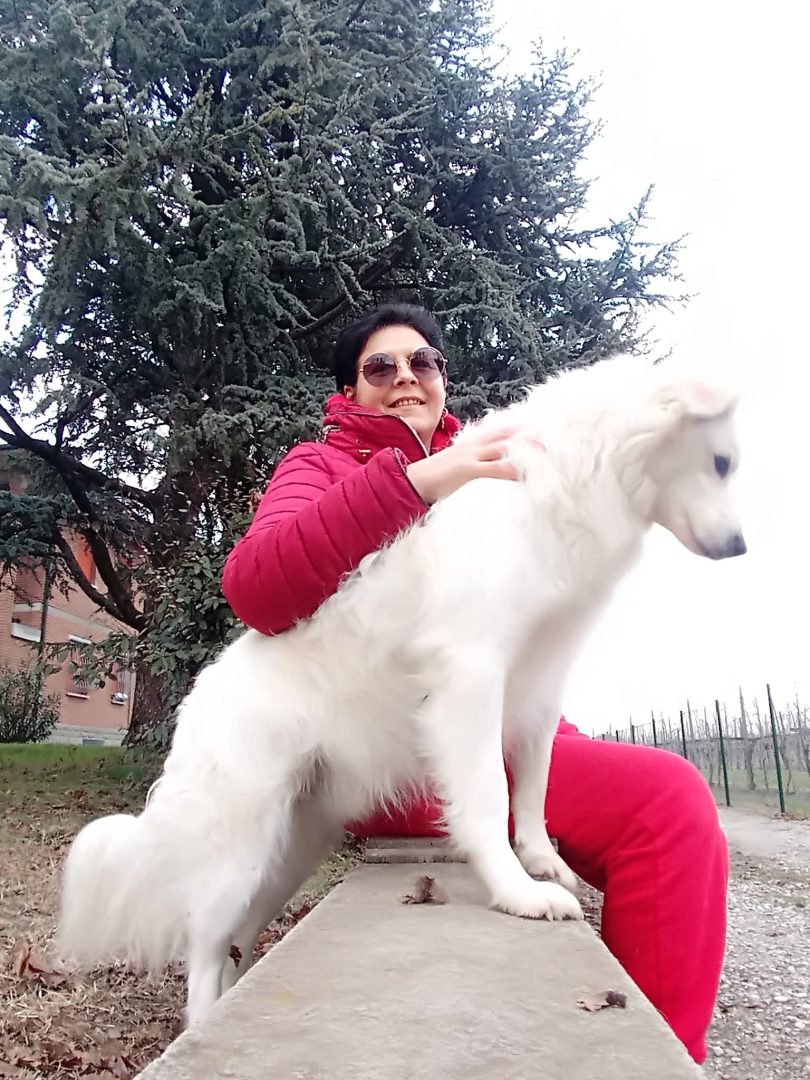
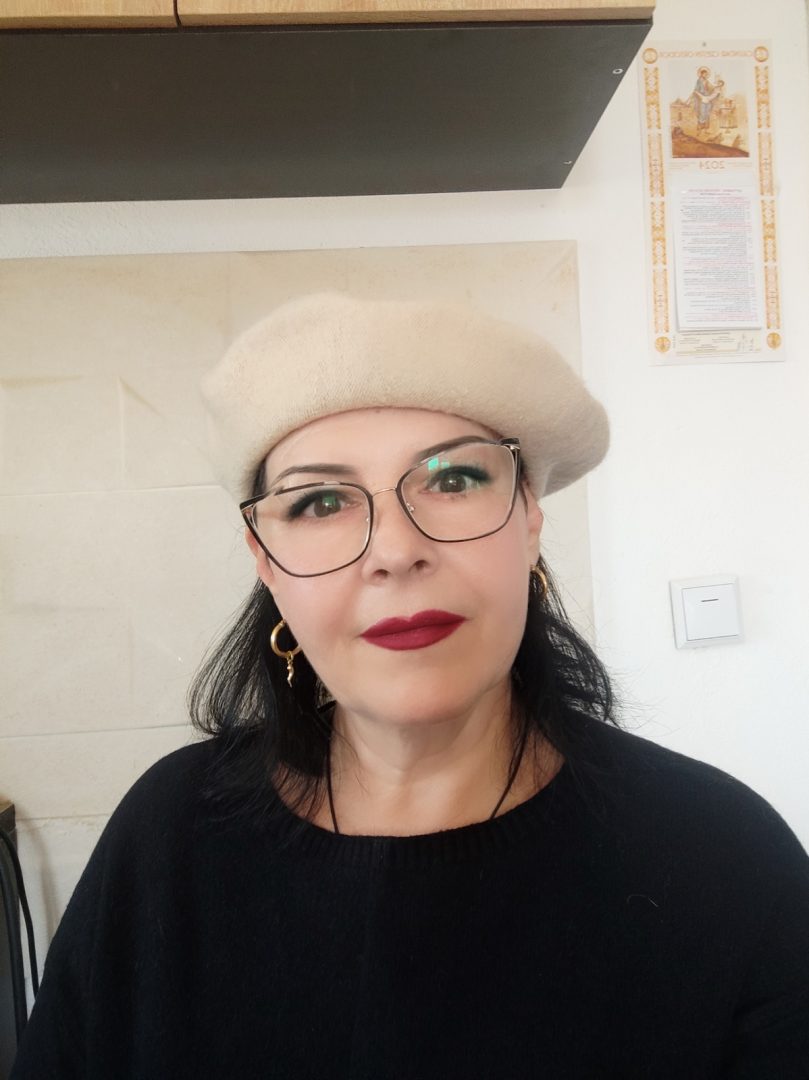
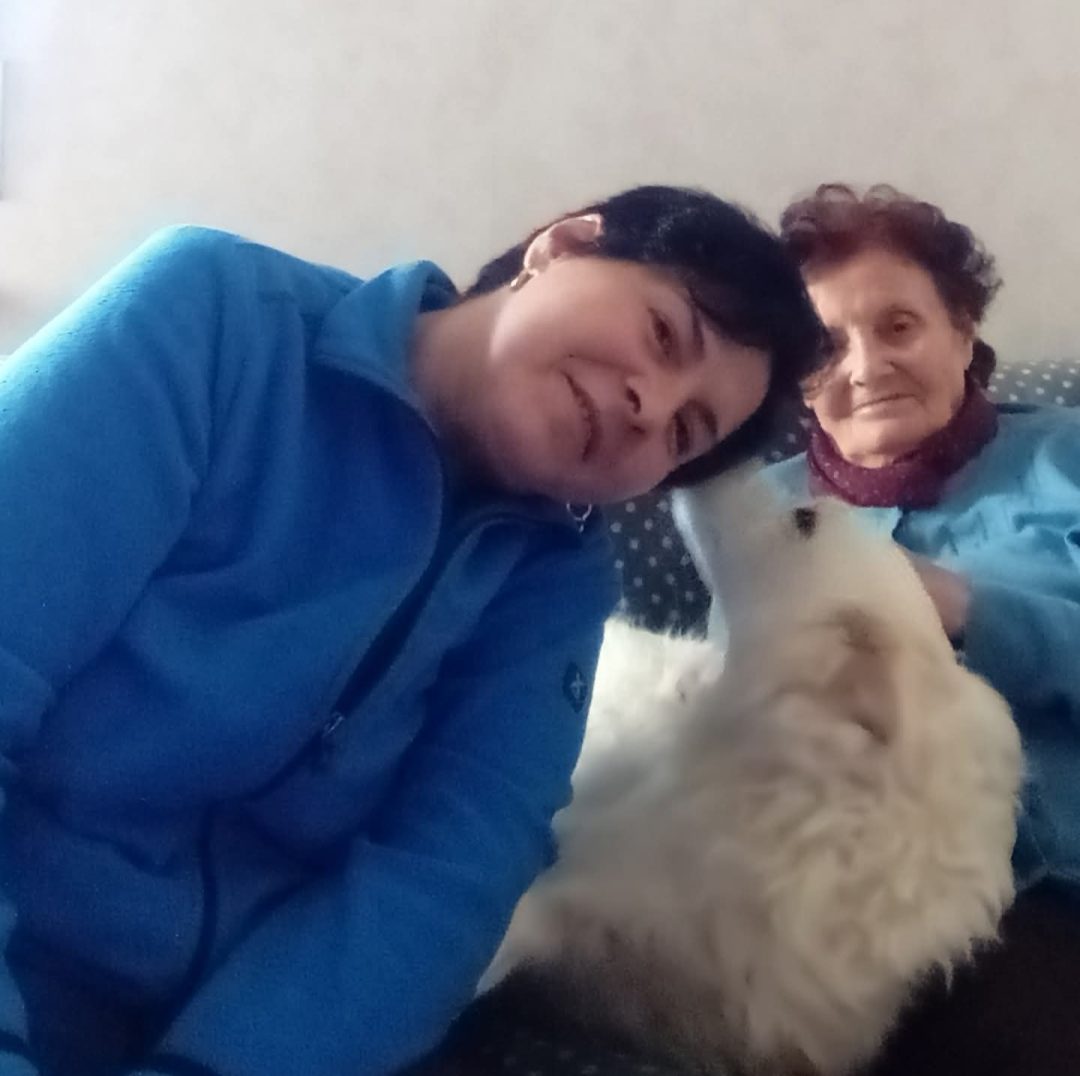
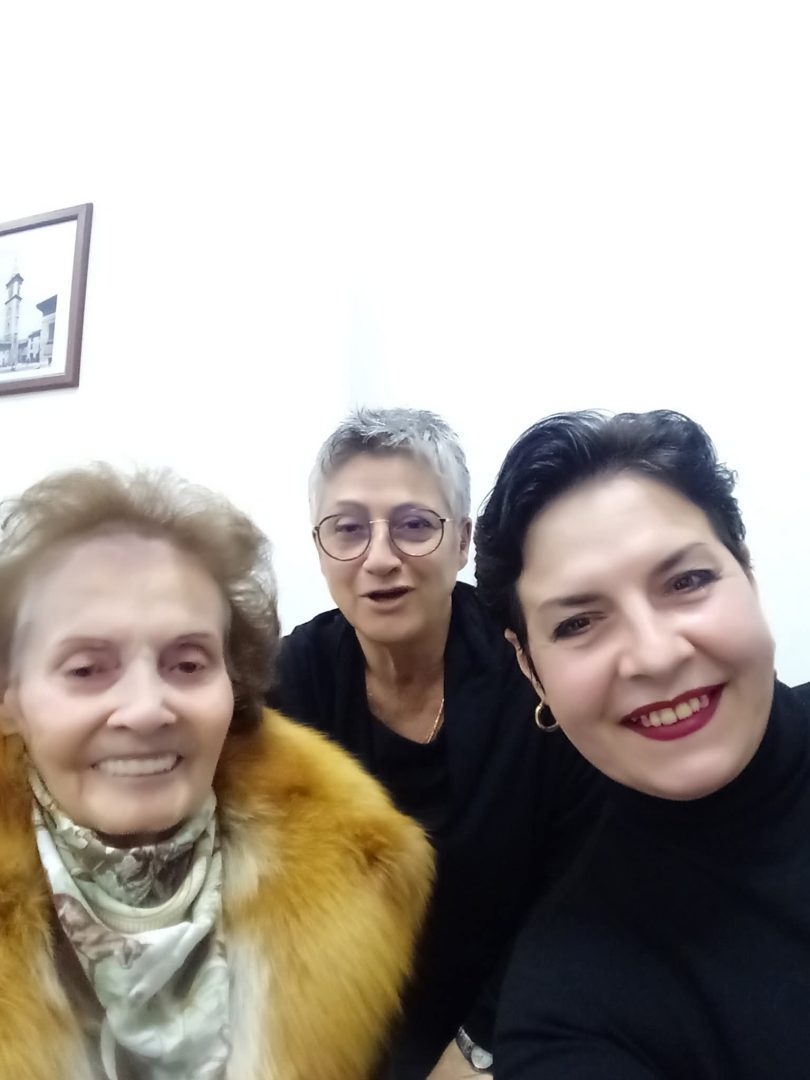
A: After 10 years in the South of Italy, I started working in Bologna for a family whose elderly woman was in a care home. The elderly woman had heart problems and had also ended up in hospital. Then they put her back in the care home — not with the intention of leaving her there, but to find a live-in care worker, a badante. They found me. They told me to settle into the house, to rest, because the elderly woman would be in the care home for one paid month. I stayed a day, two, I settled in. After 3 days from being hired I told them: “Right, let’s go and bring her home from the care home!” I went and brought her out of the care home. Poor thing… a tiny little woman, Dina. Dina had a special medical condition. She was conscious most of the time, but couldn’t walk because she tired easily due to her heart. Her heart was surrounded by a kind of sludge — fluid around the heart. I had to give her pills to eliminate the fluid. When she breathed with difficulty, I would go back to her to give her a pill. “But you already gave me one this morning…” she would say. We eventually managed to go down to the garden, then we ventured out into the street, little by little. I would take her to the bar, to restaurants and to the hairdresser every month. I would sit her down in the chair at the hairdresser’s and go about my own business: I’d go have a coffee, do some shopping. When I came to pick her up, we’d go to another bar, set a glass of wine in front of us and wait for the car to come and collect us — like two ladies. The son would come, or the son’s girlfriend. Someone would come to pick us up.


Q: Many Romanian women prolonged the lives of elderly Italians.
A: Yes, they knew how to feed them, even when they didn’t particularly want to eat. Their bodies aren’t moving around anyway.
Q: What are those years of prolonged life like?
A: They are much better. Dina was in a wheelchair and with me she ended up walking a kilometre on foot, to see a nephew’s house. We rested and then came back. After the hairdresser — made up, with lipstick on, all done up — going to the bar. Can you imagine how that feels? You give her back her life and her dignity. She no longer sees herself as a useless being. You can find a family in Bologna and be treated like their daughter, the old woman’s daughter, their son’s sister.
After the hairdresser — made up, with lipstick on, all done up — going to the bar. Can you imagine how that feels? You give her back her life
and her dignity. She no longer sees herself as a useless being. You can find a family in Bologna and be treated like their daughter, the old woman’s daughter, their son’s sister.
You’re very lucky if you find that. If there was an argument, I was part of it; if there was joy, I was part of that too. I worked for this family for 2 and a half years. If I said a dog was suffering in the street, they’d bring it in. I stayed with all the elderly women until the end, but this is the one I miss the most. I was home.
Ca acasă, povestea din Bologna
Aceasta este o secțiune despre munca în nordul Italiei, unde Liliana a fost tratată bine și povești despre cum femeile românce prelungesc viața persoanelor în vârstă din Italia.
A: După zece ani in sudul Italiei, am început să lucrez pentru o familie care avea bătrâna în azil. Bătrâna avea probleme cu inima și a ajuns și la spital. Apoi au băgat-o iar în azil, nu cu gândul să o lase acolo, ci să găsească o badantă. M-au găsit pe mine. Mi-au zis să mă obișnuiesc cu casa, să mă odihnesc, pentru că bătrâna este la azil pentru o lună plătită. Am stat o zi, două, m-am obișnuit. După 3 zile de la angajare le-am zis: „Gata, hai să o luăm de la azil!” M-am dus și am scos-o din azil. Săraca… o tipă micuță, Dina. Dina avea o condiție medicală specială. Era conștientă mai mereu, dar nu mergea pentru că obosea din cauza inimii. Inima înconjurată de un fel de nămol, apă în jurul inimii. Trebuia să îi dau pastile ca să elimine lichidul. Când respira greu, veneam iar către ea să îi dau o pastilă. „Dar mi-ai dat de dimineață…” spunea ea. Am ajuns să coborâm în grădină, apoi am ieșit în stradă ușor, ușor. Mergeam cu ea la bar, la restaurant și la coafor în fiecare lună. O așezam pe scaun la coafor și eu îmi vedeam de treburile mele: mergeam să beau o cafea, la cumpărături. Când o luam, mergeam la alt bar, ne puneam un pahar de vin în față și așteptam mașina să ne ia, ca niște doamne. Venea feciorul sau iubita feciorului. Cineva venea după noi.
Q: Multe femei românce prelungeau viața bătrânilor italieni.
A: Da, știau să le dea de mâncare, chiar dacă nu voiau neapărat. Corpul lor oricum nu este în mișcare.
Q: Cum sunt anii aceia de viață prelungită?
A: Sunt mult mai buni. Dina mergea în scaun cu rotile și cu mine a ajuns să meargă un km pe jos, să vadă casa unui nepot.
Ne-am odihnit și apoi ne-am întors. După coafor, machiată, rujată și aranjată, să mergi la bar. Îți dai seama cum se simte? Îi redai viața și demnitatea. Nu se mai vede o ființă inutilă. Poți găsi o familie în Bologna și să fii tratată ca fiica lor, fiica bătrânei, sora băiatului lor.
După coafor, machiată, rujată și aranjată, să mergi la bar. Îți dai seama cum se simte? Îi redai viața și demnitatea. Nu se mai vede o ființă inutilă. Poți găsi o familie în Bologna și să fii tratată ca fiica lor, fiica bătrânei, sora băiatului lor.
Foarte greu nimerești așa. Dacă era ceartă, participam la ceartă, dacă era bucurie, participam. Am lucrat 2 ani și jumătate la această familie. Dacă eu spuneam că un câine se chinuie pe stradă, îl aduceau. La toate bătrânele am stat până la sfârșit, dar de asta îmi pare cel mai tare rău. Eram acasă.