Flying slips of paper; negotiated women’s solidarity
Flying slips of paper; negotiated women’s solidarity
The interviewee describes being excluded from older Croatian workers whose informal networks shaped job opportunities. She also recounts discrimination and difficult conditions with some employers, forcing her to rely on her own coping strategies.
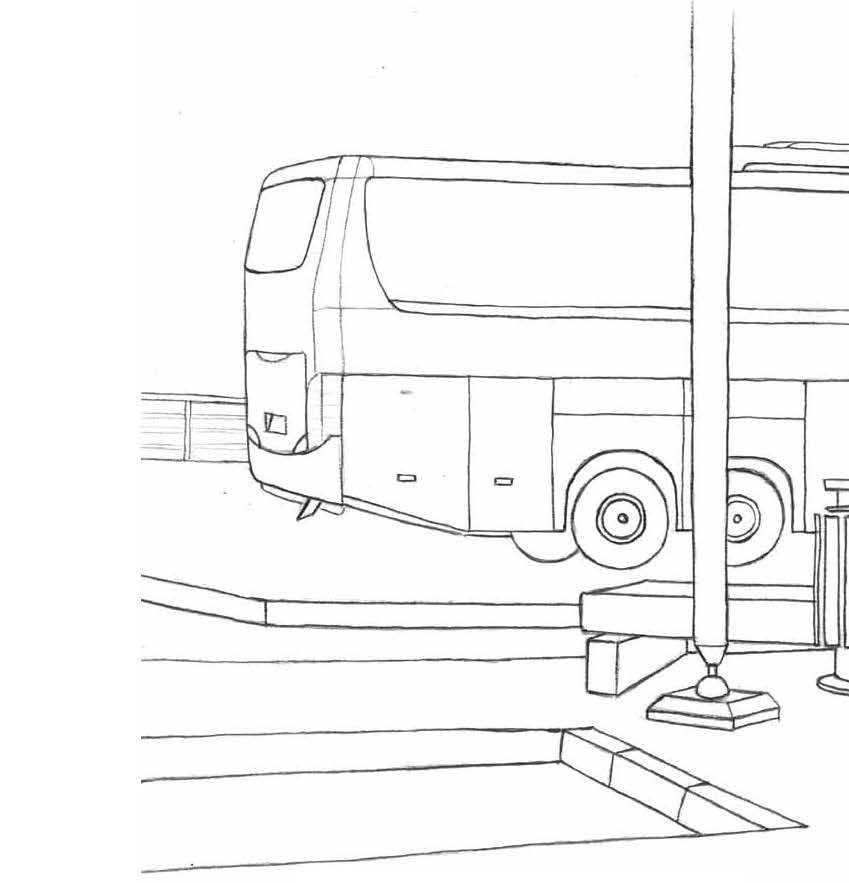
I didn’t socialize with the other Croatian care workers in the area. They weren’t interested in me; to them I was just a kid, an outsider. They were all much older, already retired or about to retire, in their sixties or seventies. They went to work because after fifty, you’re considered old and cannot get a job. That is why they left and not their daughters. We would all reach our destinations by bus and continued on by train. They all knew each other and sat next to each other. At the beginning, I just stayed quiet and watched. On the bus, little slips of paper with the numbers of potential employers were flying around. Right there on the bus, everything was decided, rules were made, partnerships formed and ended.
On the bus, little slips of paper with the numbers of potential employers were flying around. Right there on the bus, everything was decided, rules were made, partnerships formed and ended.
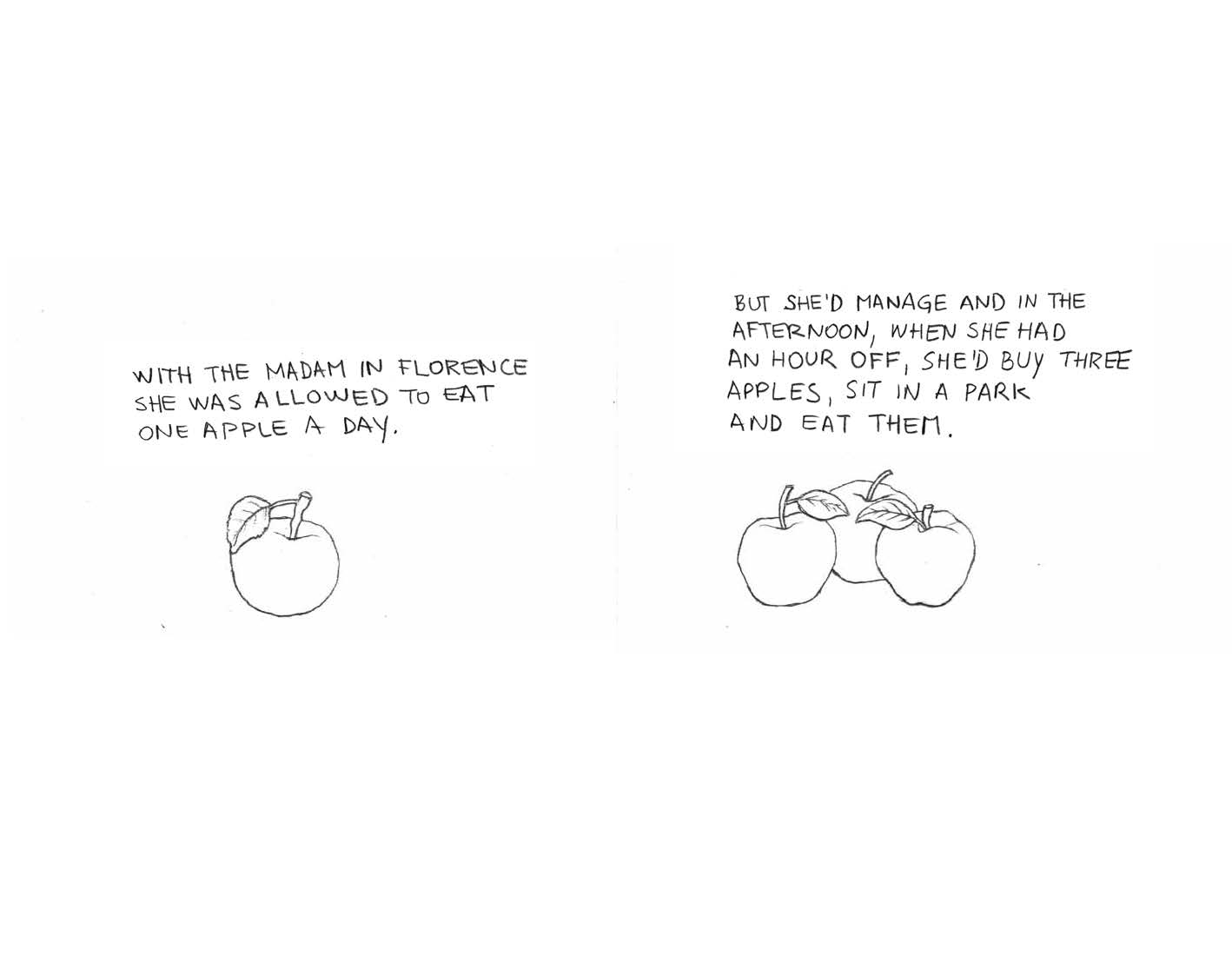
Women talked about everything: who was a good employer, who was bad, what had happened to them, and how they had managed. I experienced both good and bad myself. Some Italians saw me as the ‘ugly Slav,’ while others were kind. With some employers, I went hungry and had to bring my own food from home. If they sent me shopping, they would tell me to buy exactly two apples for them, and nothing for me. I had to figure it out on my own: take three and eat one along the way.