An Interesting Opportunity
An Interesting Opportunity
One day, Ayşe’s husband came to her and told her that she had received a job offer to work as a teacher. This made her think…
“Starting in January 1981, I began teaching Turkish language and culture classes in two schools in Ghent where most of the pupils spoke Turkish. My first schools were the Municipal Primary School Sint Macharius and the Municipal Primary School in Patrijsstraat in the Muide district. Our team consisted of four Turkish teachers. We mainly taught in schools with high concentrations of migrant pupils. Each class (kindergarten and primary) received two hours of Turkish lessons per week. In the kindergarten classes, we supported Turkish-speaking children in Turkish, especially during circle time, where children shared their experiences with the group and made plans for the entire week. Sometimes we would take these children aside to practise school-related concepts in their own language. In the first and second years of primary education, we mainly taught environmental studies. We worked together with Flemish teachers in each school. The content of the Turkish lessons was aligned with the themes of the Flemish teachers. Turkish children first received the content in Turkish. In this way, the children were prepared for the lessons in Dutch.”
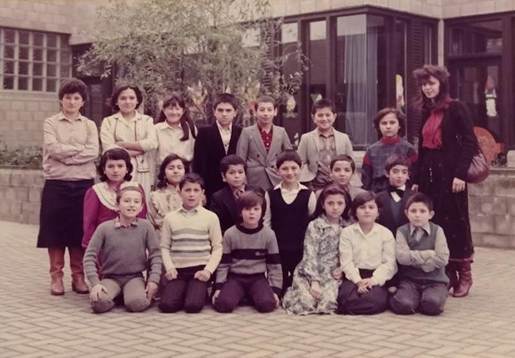
We worked together with Flemish teachers in each school. The content of the Turkish lessons was aligned with the themes of the Flemish teachers. Turkish children first received the content in Turkish. In this way, the children were prepared for the lessons in Dutch.
“Regular consultation with the Flemish teacher was crucial, but it was not always easy to obtain the themes of the Flemish teacher in advance.”
An Interesting Opportunity (original language)
Vanaf januari 1981 begon ik de Turkse taal- en cultuurlessen te geven in twee Gentse scholen waar de meeste leerlingen Turks spraken. Mijn eerste scholen waren de Stedelijke Basisschool Sint Macharius en de Stedelijke Basisschool in de Patrijsstraat in de wijk Muide. Ons team Bi-cultureel Onderwijs binnen Pedagogisch Centrum bestond uit vier Turkse leerkrachten. We gaven vooral les in concentratiescholen. Elke klas (kleuter en lager) kreeg twee uur per week Turkse lessen. In de kleuterklassen ondersteunden we de Turkssprekende kinderen in het Turks, vooral tijdens het kringmoment, waar kinderen hun ervaringen met de groep deelden en een planning voor de hele week maakten. Soms namen we die kinderen even apart om de schoolse begrippen in hun eigen taal te oefenen. In het eerste en tweede leerjaar van het lager onderwijs gaven we vooral milieulessen. We werkten samen met de Vlaamse leerkrachten in elke school. De inhoud van de Turkse lessen werd afgestemd op de thema’s van de Vlaamse leerkrachten. Turkse kinderen kregen de inhoud eerst in het Turks. Op die manier werden de kinderen voorbereid op de lessen in het Nederlands.
We werkten samen met de Vlaamse leerkrachten in elke school. De inhoud van de Turkse lessen werd afgestemd op de thema’s van de Vlaamse leerkrachten. Turkse kinderen kregen de inhoud eerst in het Turks. Op die manier werden de kinderen voorbereid op de lessen in het Nederlands.
Regelmatig overleg met de Vlaamse leerkracht was cruciaal, maar het was niet altijd gemakkelijk om de thema’s van de Vlaamse leerkracht vooraf te krijgen.