24/7: Negotiating Invisible Work
24/7: Negotiating Invisible Work
The interviewee underlines the importance of negotiating working conditions from the start and being informed about their rights. She addresses the specific working conditions of live-in informal care work for people affected by Alzheimer’s.
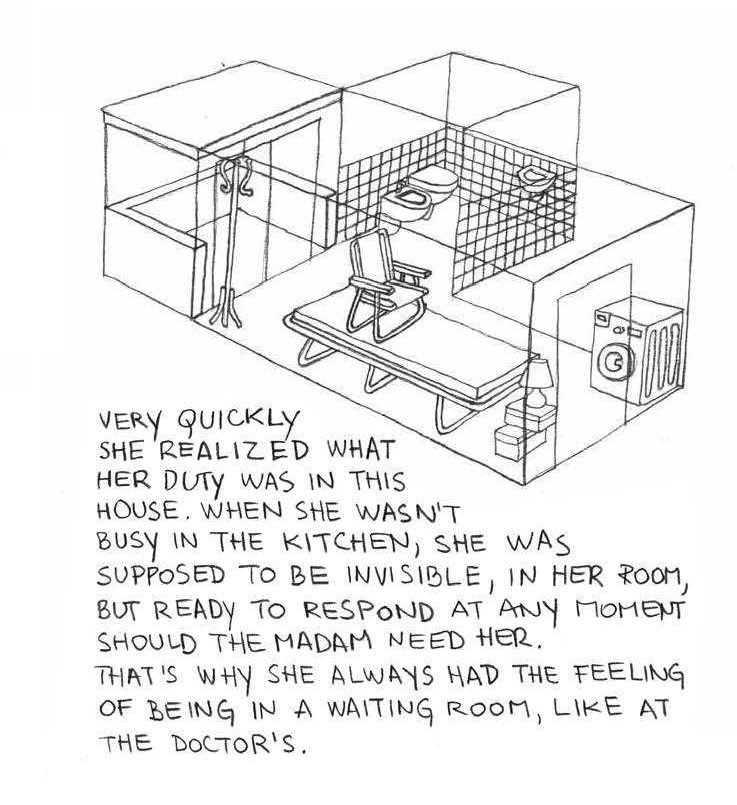
You need to negotiate; you should immediately discuss and agree on your rights and obligations, the overall working conditions, because later it becomes very difficult to change the terms you’ve accepted. If you are informed, if you know who you can turn to, you can achieve anything- but you need to know. And women need to be informed. Information is crucial. For instance, sometimes it’s easier to care for immobile people because you’re sure they can’t get up at night, fall, or wander out of the house. Those who have Alzheimer’s and are still mobile are the most demanding. You can never fully relax with them- they are unpredictable. But it’s not easy, because you are practically a stranger in someone else’s home, and you can’t relax. Sometimes they barely give you a bed or a room to sleep in. You must be there to help them, but ideally, at the same time you should be invisible.”
You need to negotiate; you should immediately discuss and agree on your rights and obligations, the overall working conditions, because later it becomes very difficult to change the terms you’ve accepted. If you are informed, if you know who you can turn to, you can achieve anything—but you need to know. And women need to be informed. Information is crucial.